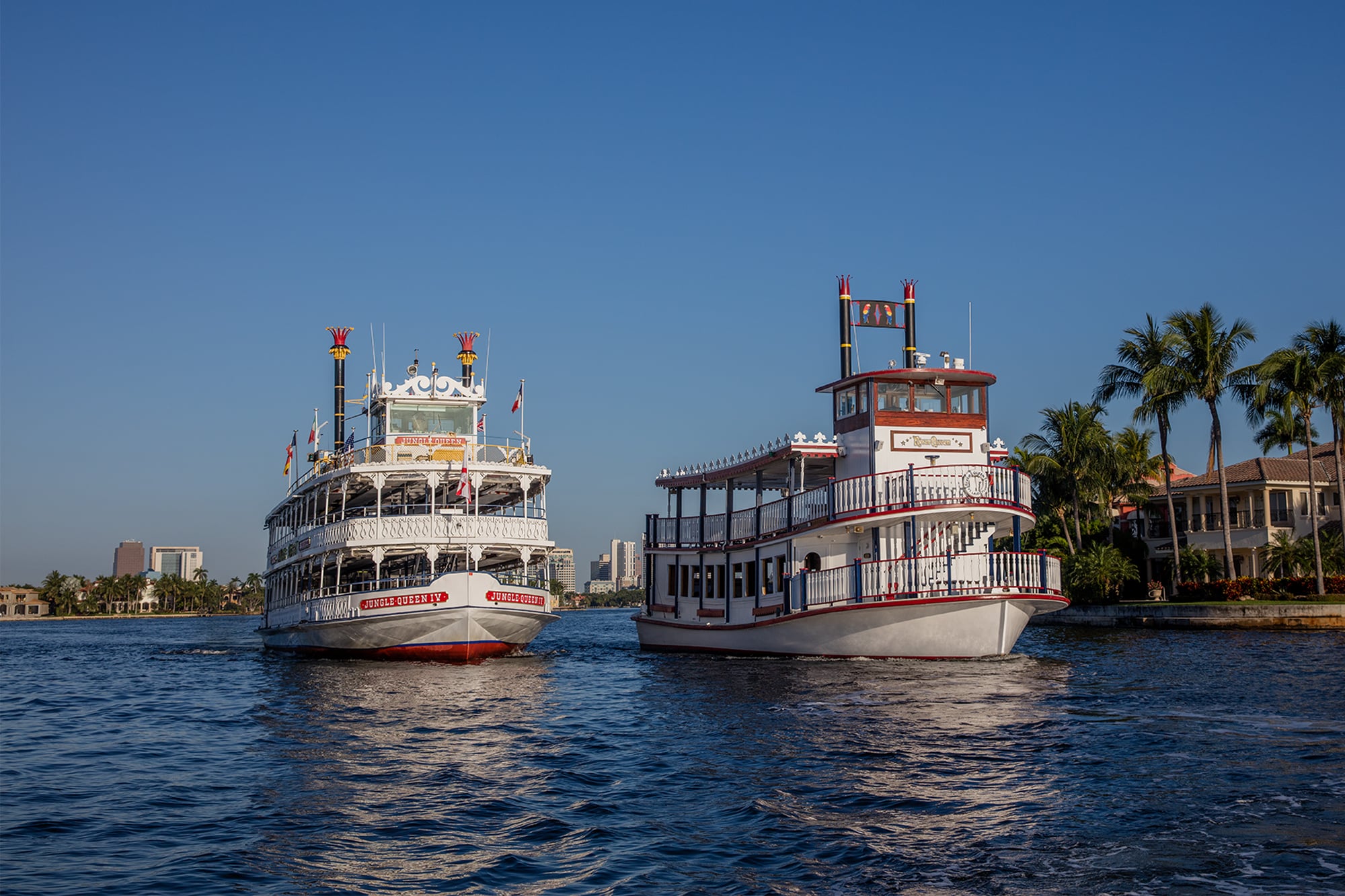

For years, Fort Lauderdale has enjoyed a remarkably steady tourism engine—powered by international travelers, Canadian snowbirds, cruise passengers, and seasonal second-home residents who reliably filled hotels, restaurants, and flights each winter. But heading into 2026, new federal and state policy shifts are beginning to subtly alter who comes, how long they stay, and how destinations market themselves.
While South Florida remains one of the country’s most desirable leisure and lifestyle markets, recent changes suggest tourism leaders and business owners may need to recalibrate.
International Travel Faces New Friction
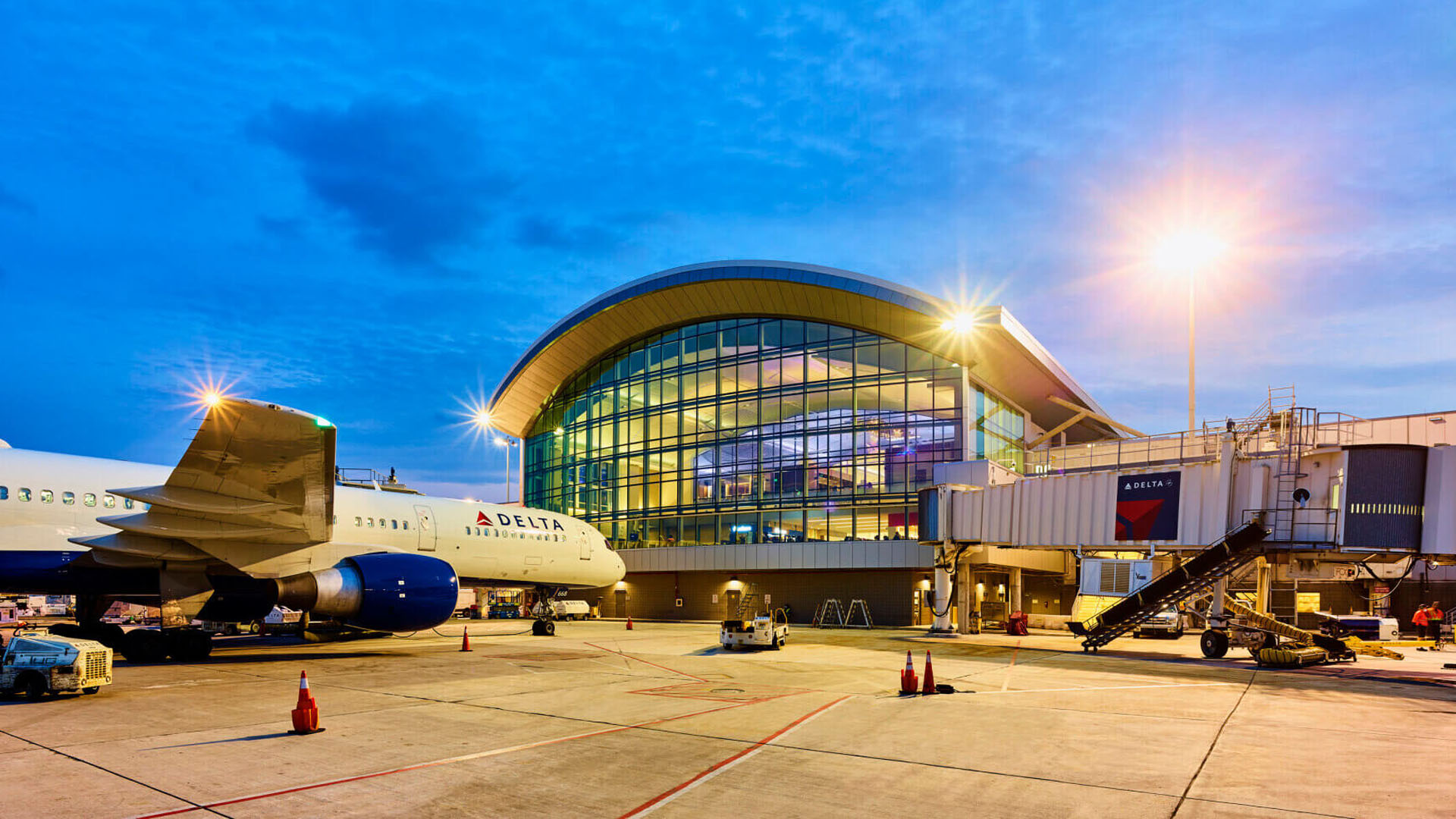
One of the most immediate impacts is being felt at Fort Lauderdale–Hollywood International Airport. New federal entry requirements for certain foreign visitors—particularly those staying in the U.S. for extended periods—have added additional registration and fingerprinting steps. While not prohibitive, the added complexity has coincided with a softening in international passenger traffic compared to previous years.
For a region that benefits heavily from extended stays by overseas visitors, especially during winter months, even modest friction can influence travel decisions. Industry watchers say this doesn’t signal a collapse in demand, but rather a shift toward shorter visits and more selective international travel.
Canadian Snowbirds Hit Pause
Perhaps more significant for Fort Lauderdale is the evolving sentiment among Canadian travelers. Canadians have long been a cornerstone of South Florida’s tourism and seasonal housing markets—renting condos, booking long hotel stays, and supporting local businesses for months at a time.
Recent immigration policies, trade tensions, and travel uncertainty have prompted some Canadians to rethink or delay Florida trips. Some are shortening stays; others are exploring alternative destinations. While the impact has been uneven, hospitality and property managers are watching closely, particularly in neighborhoods and buildings that traditionally rely on Canadian winter residents.
For local businesses—from restaurants along Las Olas to waterfront marinas—the ripple effect could show up in subtle ways: fewer extended bookings, shorter peak seasons, and more competition for domestic travelers.
A Shake-Up in Tourism Governance
At the state level, proposed changes to Florida’s tourism governance structure could also reshape how destinations like Fort Lauderdale promote themselves. Lawmakers have floated measures that would significantly alter—or potentially eliminate—local Tourist Development Councils, which currently oversee the allocation of tourist tax dollars for marketing and destination development.
These councils play a critical role in funding advertising campaigns, supporting major events, and maintaining Florida’s global visibility as a tourism destination. Any restructuring could shift how marketing dollars are spent, potentially placing more pressure on private operators, hotels, and local governments to fill the gap.
For Fort Lauderdale, which competes not just with Miami and Palm Beach but with international destinations, the stakes are high. Reduced or redirected marketing support could affect long-term brand positioning, even if near-term visitor numbers remain healthy.
Cruise and Domestic Travel Remain Bright Spots
Not all indicators are trending downward. Port Everglades continues to be one of the busiest cruise hubs in the world, supporting hotels, transportation companies, and hospitality businesses throughout the region. Domestic leisure travel—particularly from the Northeast and Midwest—also remains strong, helping offset softness in some international segments.
Tourism officials note that Fort Lauderdale’s diversified visitor base is a key advantage. Beach tourism, cruise travel, events, and business travel all contribute to resilience when one segment slows.
What This Means for Business Leaders
For SFBW readers, the takeaway is not alarm—but awareness. Tourism in Fort Lauderdale is evolving, not retreating. Policy changes are nudging visitor behavior in new directions, favoring shorter stays, domestic travel, and experience-driven trips over long, traditional seasonal visits.
Hotels, developers, restaurateurs, and investors may need to adjust strategies accordingly—focusing on flexibility, differentiated experiences, and year-round appeal rather than relying solely on predictable seasonal patterns.
As 2026 approaches, Fort Lauderdale’s tourism economy remains strong, but it is becoming more sensitive to policy, perception, and global mobility trends. The winners will be those who adapt early—understanding not just who is visiting, but why, for how long, and under what conditions.