
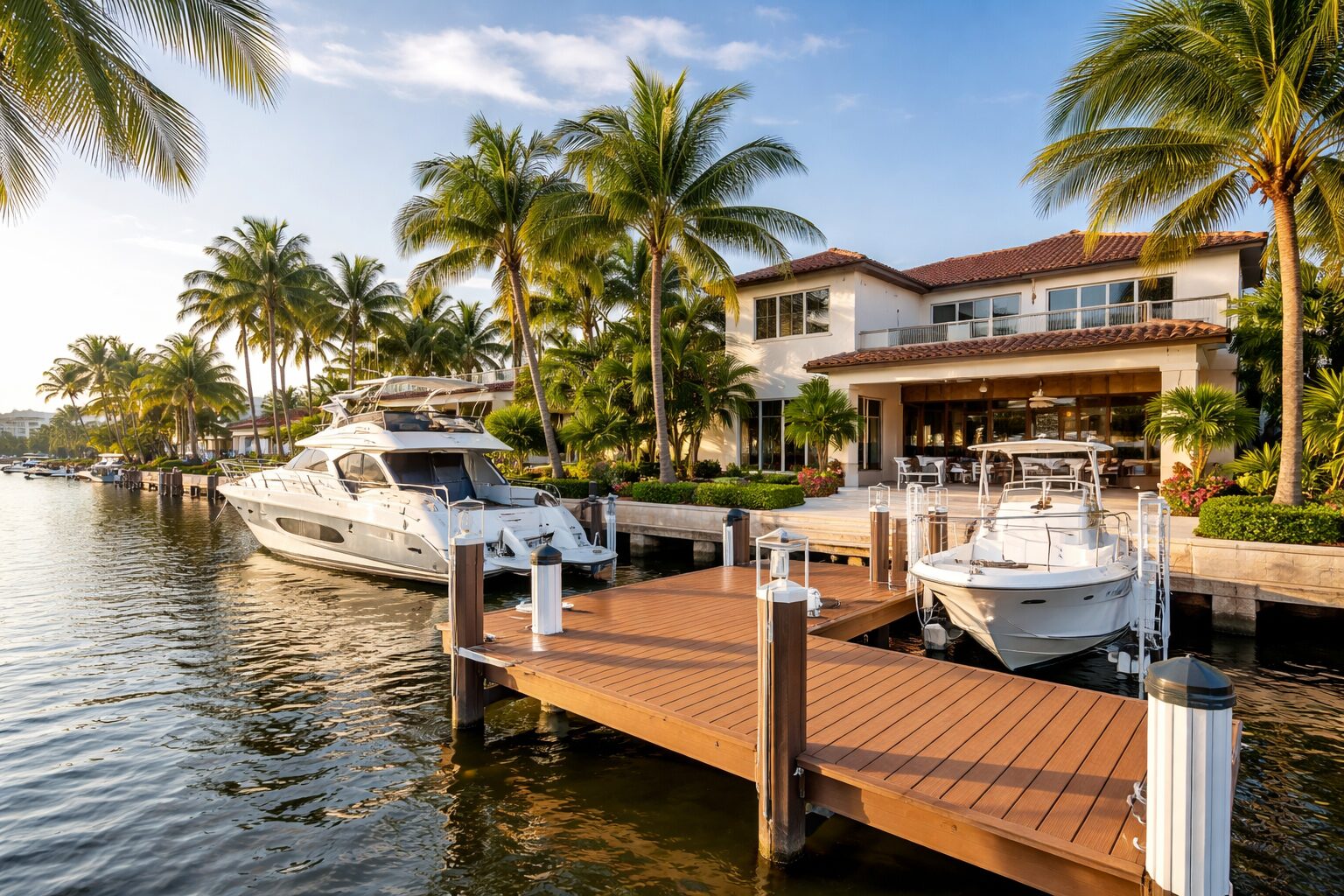
South Florida’s waterways have become more than scenic stormwater management structures; they have become a way of life. Every year, thousands of northeasterners relocate here with the same vision: waterfront living, a boat in the backyard, and direct access to the Intracoastal and ocean. Yet for many homeowners, that dream runs aground into an unexpected obstacle in the form of outdated municipal dock regulations.
Across South Florida, many cities still rely on antiquated dock codes written when boats were smaller, boat lifts were rare, and waterway traffic was minimal. Today’s vessels are bigger and far more valuable. Safe storage on a boat lift is no longer a luxury; it is often necessary to protect against corrosion, storm surge, and marine growth. Unfortunately, old rules governing dock length, finger piers, setbacks, and lift placement often make it impossible to get a permit for modern mooring solutions.
For example, several municipalities impose strict maximum dock lengths that fail to account for wider waterways or larger turning basins. Others impose setback requirements that effectively prohibit installation of a boat lift. In most cities, dock codes have not been updated in decades despite significant increases in boat ownership and marine activity.
The good news is these regulations are not always insurmountable. Many cities allow property owners to seek variances, waivers, or conditional approvals to exceed code minimums, particularly where applicants can demonstrate navigational safety, environmental compliance, and consistency with surrounding properties. In other cases, coordinated efforts with city staff, marine engineers, and legal counsel can lead to code interpretations that better reflect modern boating realities.
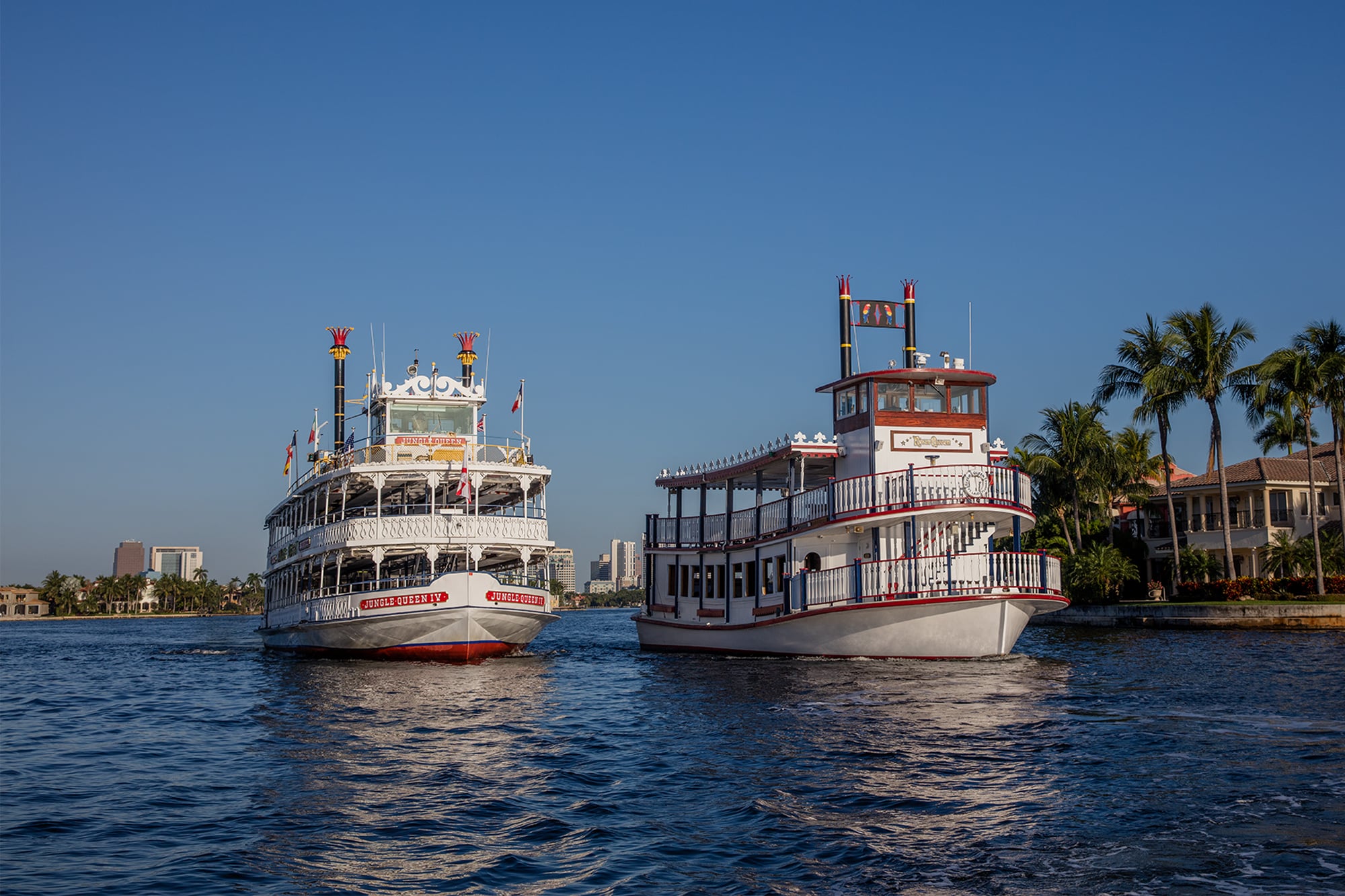
With Fort Lauderdale affectionately dubbed “The Yachting Capital of the World,” and the South Florida boating industry experiencing sustained growth, municipalities should start modernizing their dock regulations. Until then, property owners seeking to build or modify docks must be prepared to wrestle with a frustrating regulatory landscape, one where careful planning and strategic advocacy can make the difference between a denied permit and a dock that matches the lifestyle that drew them to the water in the first place.
For more information, contact Matthew.Scott@gmlaw.com.