

Nvidia’s latest earnings release sent shockwaves through global markets, with the chipmaker reporting a staggering 56% year-over-year surge in revenue to $46.7 billion, fueled by demand for its advanced Blackwell AI architecture. Even without shipping chips to China last quarter due to export restrictions, Nvidia projected $54 billion in revenue for Q3, underscoring the insatiable global thirst for artificial intelligence. The Financial Times noted that despite the blockbuster results, shares slipped slightly in after-hours trading as investors weighed the uncertainty of China’s regulatory environment. For South Florida—where technology, hospitality, and real estate increasingly overlap—Nvidia’s story is more than a Wall Street headline. It’s a barometer of where business is heading next.
Nvidia’s momentum spells opportunity for local hoteliers keen on upgrading their guest experience with AI-driven tools. Miami Beach and Fort Lauderdale resorts are already experimenting with predictive energy management, automated staffing, and personalization delivered through AI concierge platforms. These technologies, made feasible by the kind of processing power Nvidia provides, are quickly shifting from luxury perks to baseline expectations. The company itself framed the moment as a transformation across industries. “Accelerated computing and generative AI are reshaping the future,” Nvidia CEO Jensen Huang said in the company’s earnings release. “We’re seeing demand across virtually every sector.” For South Florida’s tourism-driven economy, that demand could mean faster adoption of AI in hotels, cruise lines, and private clubs. The cautionary note: if export freezes or supply shortages spread, smaller operators could find themselves waiting for access to the very chips that make this leap possible.
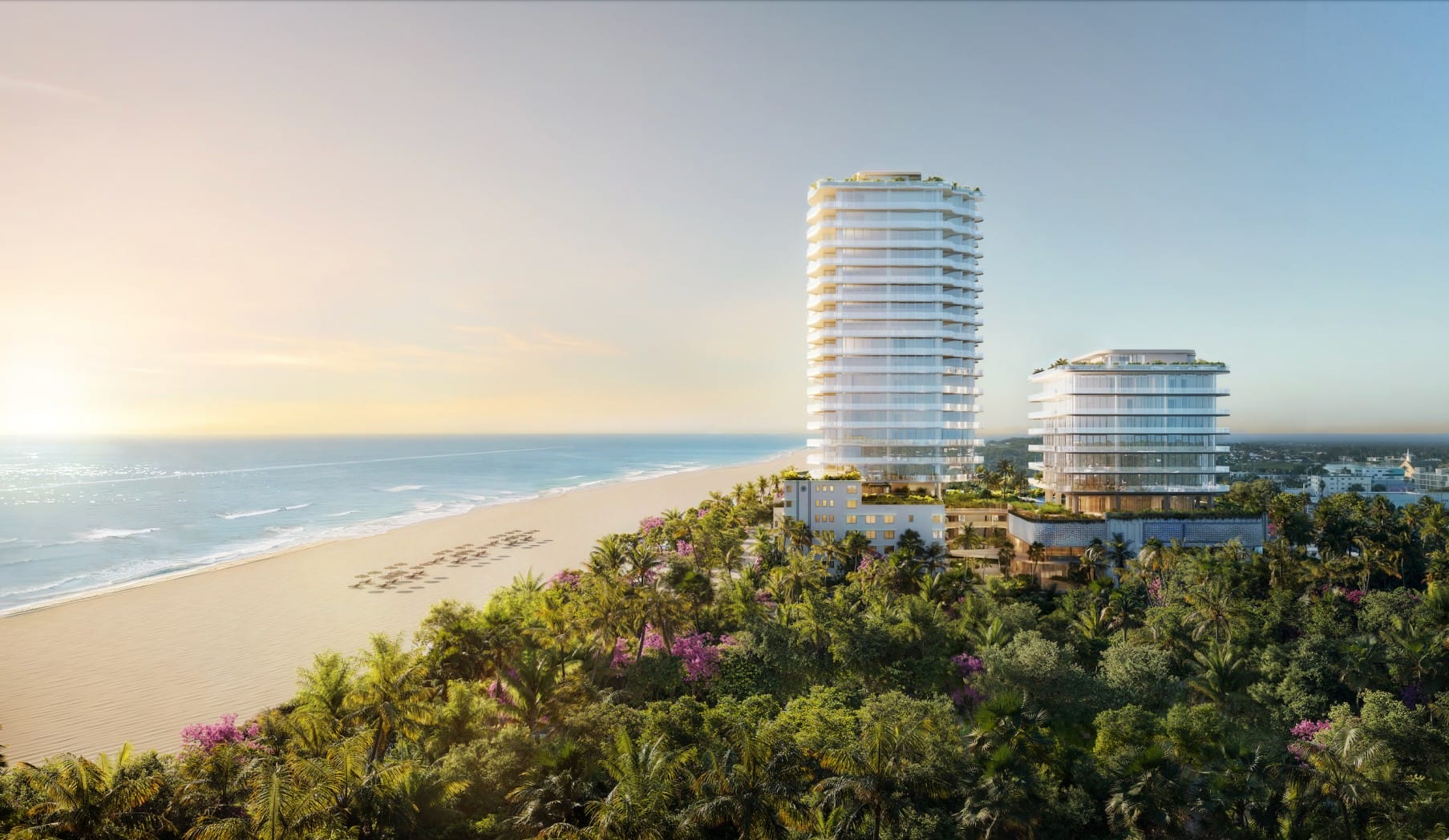
Real estate, another South Florida cornerstone, is also leaning hard into AI. Developers are deploying AI-powered building management systems to optimize energy use, while brokers use predictive models to guide investment decisions. A recent report on Miami’s luxury property market noted that “AI-driven tools now optimize pricing, predict trends, and enable smart home systems, boosting property values by up to 15% in high-growth areas.” That trend is reinforced by high-profile buyers. The Wall Street Journal recently reported on the founder of a medical AI startup who paid $38.2 million, in cash, for a beachfront penthouse at the Four Seasons Private Residences in Surfside. Explaining the appeal of high-rise living, he said: “I didn’t want the overhead of dealing with houses and all of the stuff that comes with houses… If I could wake up at 4 a.m. and just order room service—this is so perfect.” He went on to predict the property would double in value in five years. For developers, that sentiment is telling: luxury buyers now see AI-powered services as part of the lifestyle they’re paying for, right alongside ocean views and marble finishes.
Nvidia’s results send a dual message to South Florida. On one side, AI represents unprecedented opportunity—reshaping hospitality, streamlining real estate, and drawing global wealth to Miami. On the other, geopolitical volatility and supply chain risks could slow the rollout of those very technologies.
Bottom Line: Nvidia’s breakout quarter validates the promise of AI. For South Florida’s signature industries, it’s both a growth engine and a warning sign. The region has a chance to lead in AI-driven hospitality and real estate—but doing so will require embracing innovation while planning for global uncertainty.