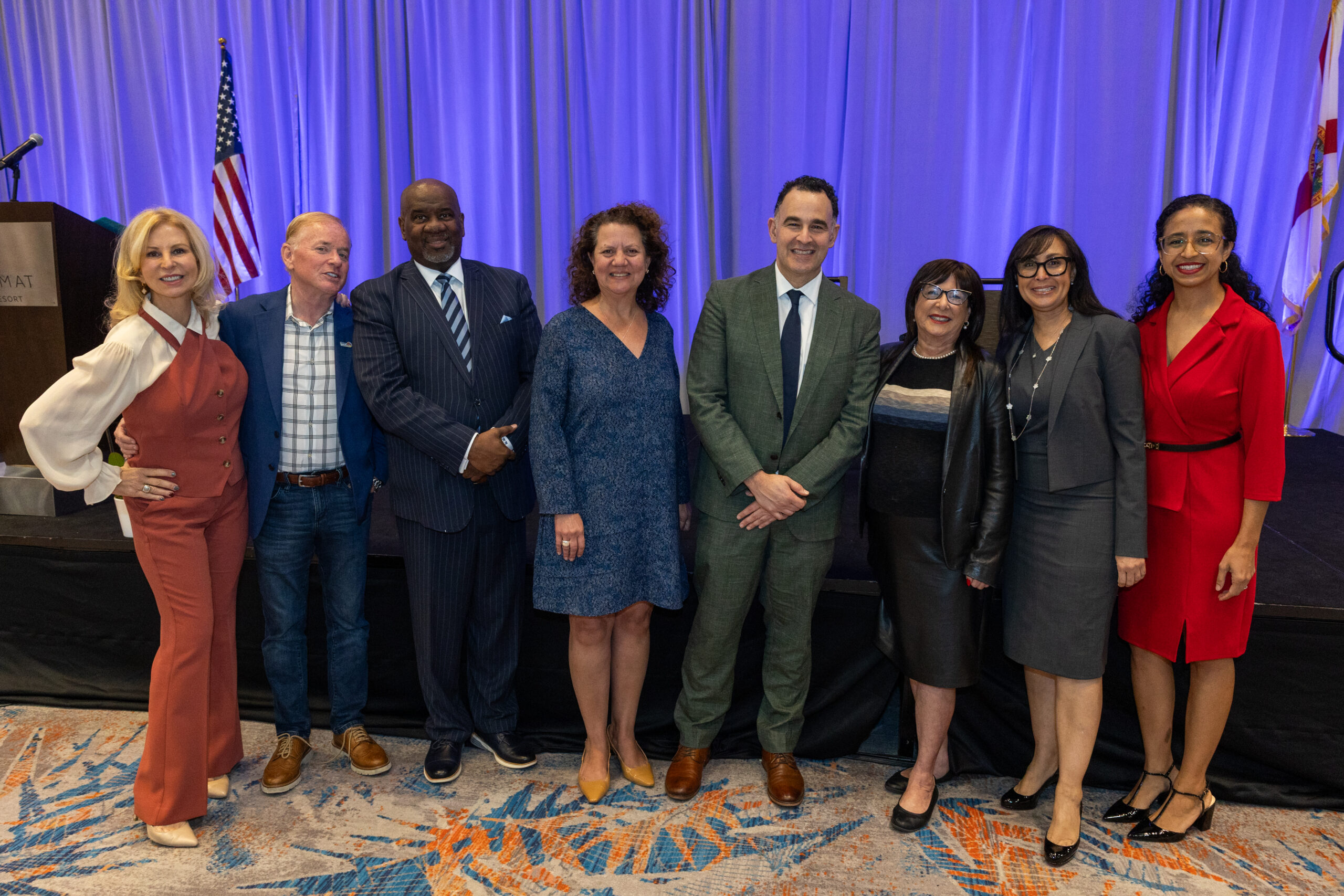


By Joel Feldman, ESQ. and Jennifer Fulton, ESQ., Schwartz Sladkus Reich Greenberg Atlas LLP
Business leaders are used to asking tough questions about operations, investments, and growth. But the questions with the greatest impact are often the ones closest to home: What happens to my company if I remarry? If I die, will my spouse want—or even be able—to run the business? Will my partners be forced into business with my family?
These aren’t hypothetical scenarios. With record numbers of businesses changing hands, owners marrying later in life—or for a second time—and the largest wealth transfer in history underway, South Florida business leaders are facing decisions that could determine the long-term survival of their companies. Protecting the enterprise and the family is a delicate balance, and without the right planning, both can be left exposed.
Why Prenuptial Agreements Still Matter
For many, the word “prenup” conjures images of celebrities or high-profile divorces splashed across tabloids. In reality, a prenuptial agreement is a straightforward legal tool—and one of the most effective ways to protect a company. When carefully drafted by an experienced attorney, prenups are enforceable and rarely overturned.
Without one, a spouse may claim rights to part of the business—or to its appreciated value during the marriage. That can mean a forced appraisal, audits, and potentially splitting the business’s growth 50/50. For owners, the disruption and financial impact can be devastating.
A prenup, by contrast, ensures that the business remains with the person who built it. It keeps family matters from destabilizing the enterprise and provides clarity during times when emotions run high.
Estate Planning with a Business in the Mix
Estate planning goes beyond wills and trusts—it’s about ensuring continuity. For business owners, that means designing a plan that protects both personal wealth and the company itself.
Buy-sell agreements, operating agreements, and trusts can dictate how ownership transfers and how disputes are resolved. These documents often take precedence over a will, which is why alignment between business contracts and estate plans is essential.
Life insurance plays a key role as well. Partners often hold policies on one another, creating liquidity for a surviving partner to buy out heirs who don’t belong in the business. Owners may also purchase coverage to handle estate taxes, preventing a forced sale of the company to satisfy the IRS.
Avoiding Costly Pitfalls
Not every planning tool works the same way for a business. For example, placing a company in a trust without proper tax advice can trigger unintended consequences—especially if the business generates “phantom income” without liquid assets to offset it. Likewise, certain professional associations in Florida may not survive the death of the founder unless another licensed professional steps in, which must be addressed in estate documents.
Thinking Beyond the Present
For high-net-worth families, advanced strategies can help transition ownership while reducing taxes. Some allow gradual transfers of shares to children while parents keep income and control. Others involve moving undervalued, high-growth assets into irrevocable trusts so they appreciate outside the taxable estate. Both approaches require professional appraisals and careful structuring but can save millions in estate and gift taxes down the road.
The Takeaway
Running a business is challenging enough. Adding marriage, family, succession, and tax considerations into the equation makes planning essential. The good news: with the right mix of prenuptial agreements, estate planning, and wealth-transfer strategies, business owners can safeguard what they’ve built and ensure their legacy transitions on their terms—not by default.
About the Authors
With decades of combined experience guiding families and business leaders through complex transitions, Joel Feldman and Jennifer Fulton bring a rare depth of expertise to the intersection of family law, trusts, and estates.
Feldman, a Georgetown and Duke graduate based in Boca Raton, is recognized among South Florida’s top family lawyers, with a career spanning collaborative divorce, premarital agreements, and high-stakes litigation. Fulton, a Duke and Nova Southeastern alumna, specializes in probate, trust administration, and estate planning, bringing extensive experience in both litigation and appeals. Together at Schwartz Sladkus Reich Greenberg Atlas LLP, they help business owners protect what they’ve built—ensuring that companies, families, and legacies are prepared for whatever lies ahead.
Disclaimer: This article is provided for general informational purposes only and does not constitute legal advice. Readers should not act or rely on any information contained herein without consulting an attorney regarding their individual circumstances.