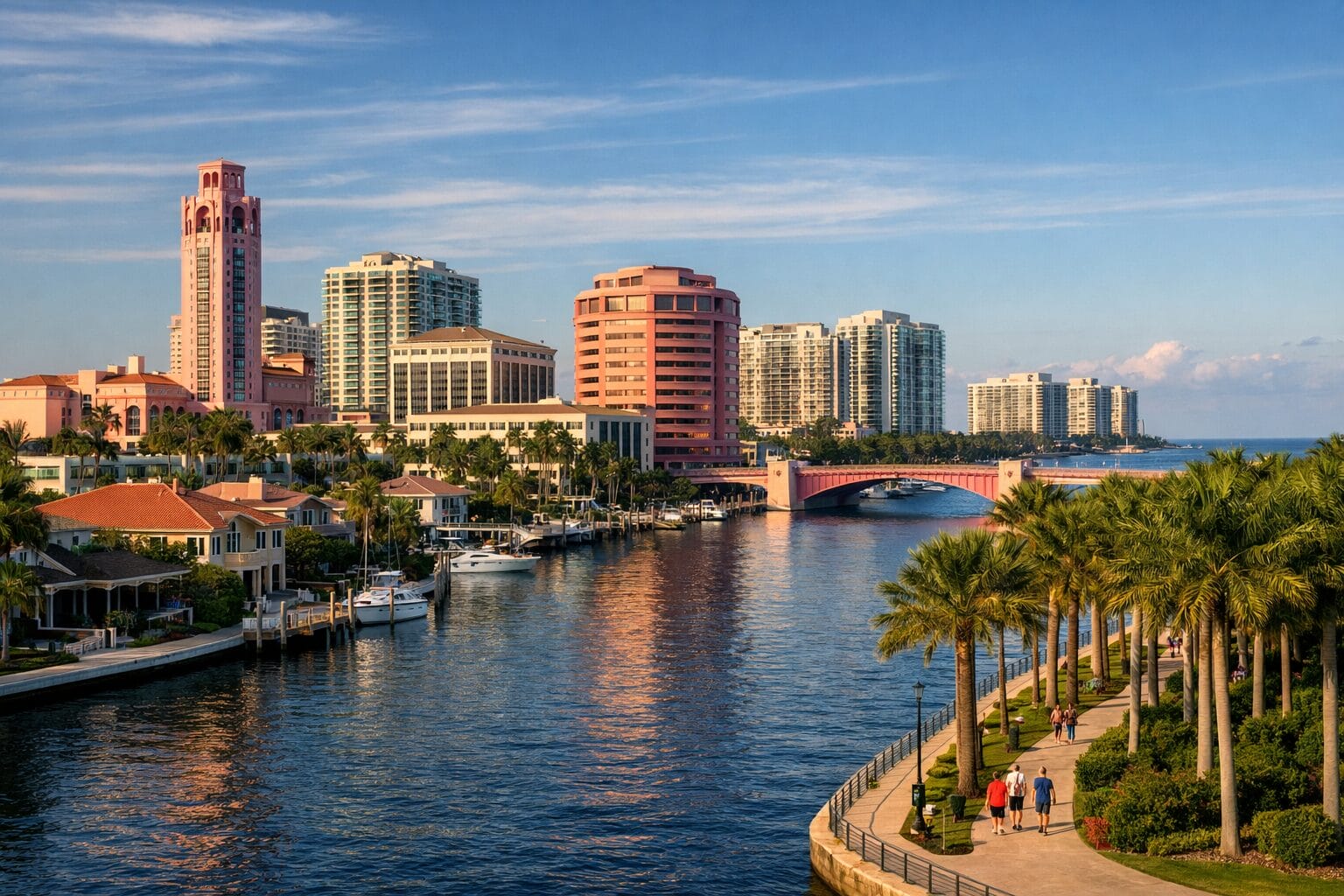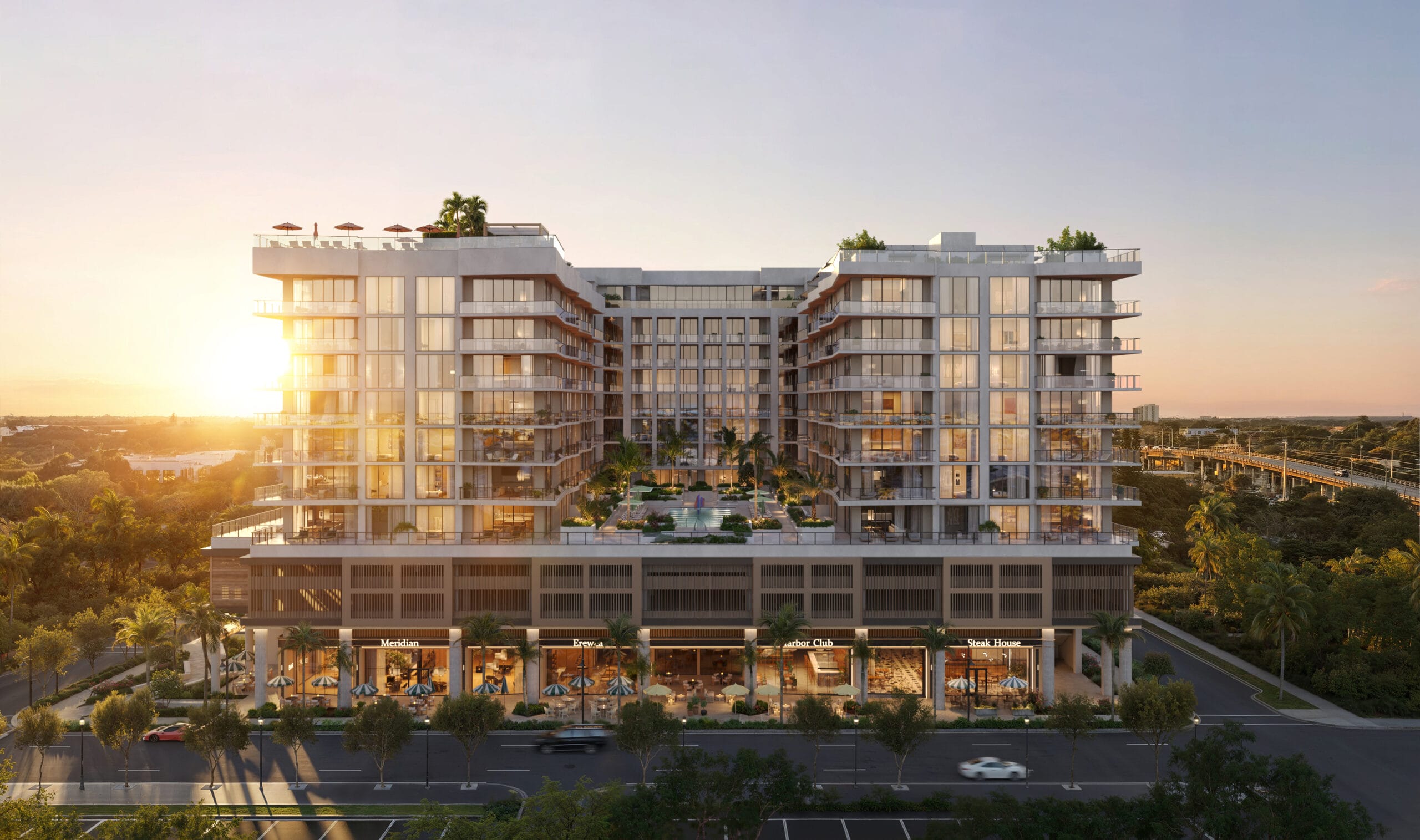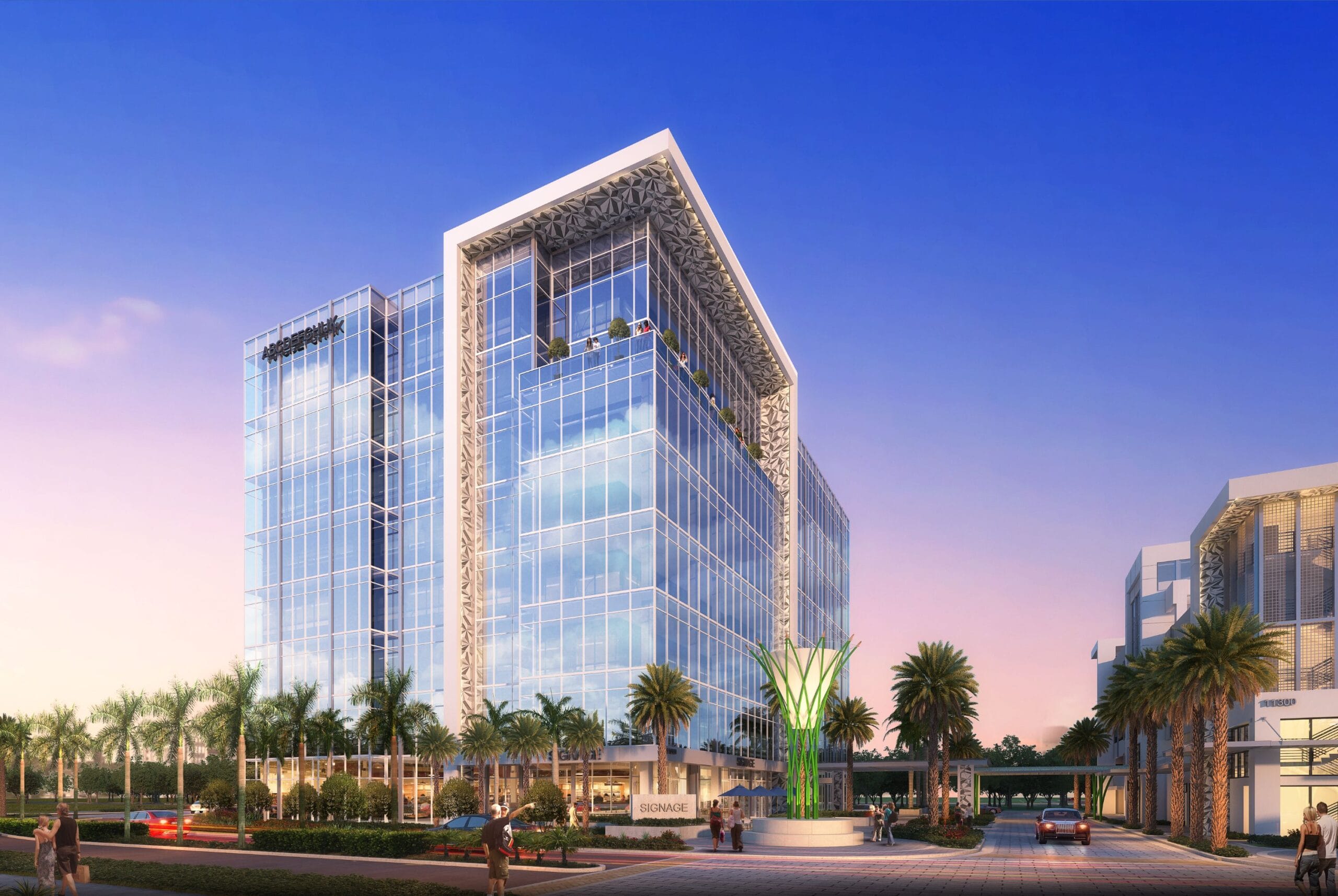


If there was any lingering question about where the center of gravity in luxury real estate now lies, 2025 offered a clear answer: South Florida is no longer competing with the country’s most elite housing markets—it is setting the pace.
While marquee transactions still closed in legacy strongholds like New York and Los Angeles, many of the year’s most expensive and closely watched residential sales took place along Florida’s coastline, reinforcing the region’s status as a permanent home base for ultra-high-net-worth buyers rather than a temporary refuge.
The most dramatic example came from Florida’s Gulf Coast, where a sprawling waterfront estate in Naples’ Port Royal enclave traded for a reported $225 million earlier this year, one of the highest residential sales ever recorded in the United States. The property, assembled over time by the DeGroote family, was purchased through a trust, with the buyer’s identity remaining private. The sale sent shockwaves through the national real estate community—but in South Florida, it felt like a continuation of a trend that has been building for several years.
On the Atlantic side of the state, Palm Beach once again proved its enduring appeal to legacy wealth. An oceanfront estate previously owned by Estée Lauder heir William Lauder sold for approximately $160 million, according to published reports. The buyer was not publicly disclosed, though industry sources noted the acquisition was part of a broader pattern of compound-building among ultra-wealthy buyers seeking scale, privacy, and long-term generational holdings in Florida.
Miami, meanwhile, delivered its own headline-making moment. A record-setting sale on Star Island closed at roughly $120 million, marking one of the most expensive residential transactions in the city’s history. The seller was Aman Resorts CEO and developer Vladislav Doronin, whose influence on Miami’s ultra-luxury landscape is well established. Property records tied the buyer to an entity associated with tech entrepreneur Michael Ferro Jr., underscoring Miami’s continued draw for tech, finance, and global capital.
What makes these South Florida transactions particularly notable is not just their price tags, but what they signal. These are not speculative buys or short-term lifestyle plays. They reflect long-term commitments to the region—often involving extensive redevelopment plans, multigenerational living strategies, or portfolio diversification away from traditional Northeastern and West Coast markets.
Nationally, other luxury sales helped frame Florida’s dominance. In New York, a condominium at 220 Central Park South—still considered the gold standard of ultra-prime vertical living—sold for more than $80 million, with the buyer operating through an LLC tied to a family office. In Los Angeles, two estates in Bel Air and Holmby Hills closed near the $110 million mark, though buyer identities were largely shielded. These sales reaffirmed that legacy markets remain relevant, but they no longer monopolize the top of the luxury pyramid.
What differentiates South Florida is momentum. The region continues to combine favorable tax policy, global accessibility, waterfront inventory, and a lifestyle that appeals to both domestic and international wealth. Miami-Dade, Broward, and Palm Beach counties collectively logged another strong year for $10 million-plus transactions in 2025, even as broader housing markets nationwide softened under higher interest rates.
Celebrity and executive buyers added to the narrative. High-profile figures continued to upgrade, consolidate, or reposition their South Florida holdings, often moving from condominiums to custom waterfront estates. While many purchases were made through LLCs, brokers across the region consistently cited finance executives, tech founders, private equity principals, and international entrepreneurs as the dominant buyer profiles at the top end of the market.
Taken together, the year’s biggest home sales tell a clear story: South Florida is no longer an alternative luxury market—it is a primary one. While New York and Los Angeles remain essential reference points, the gravitational pull has shifted south, where scale, privacy, and lifestyle converge in ways few other markets can match.
As 2025 comes to a close, the transactions that defined the year have also reset expectations for what the next decade of luxury real estate will look like. And increasingly, that future is being built on Florida’s shoreline.