
Some weeks announce themselves with a single cannon-blast headline: a marquee relocation, a splashy acquisition, a number big enough to do its own PR. Broward’s past week did something more interesting. It moved like an operator, not a showman. Doors opened. Capital got placed. Assets changed hands. The county’s business story advanced, in increments that add up.
Hospitality Sets the Tone

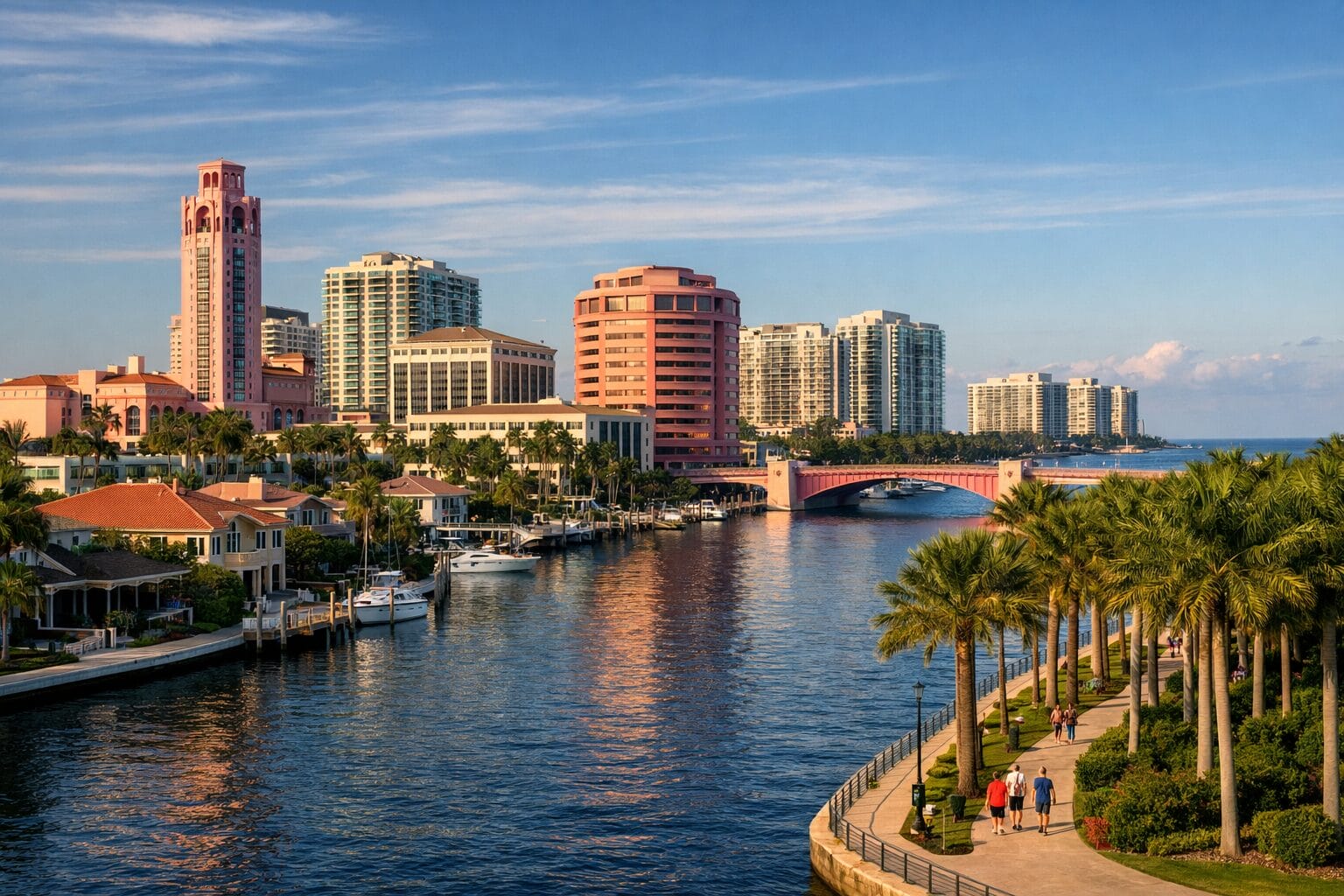
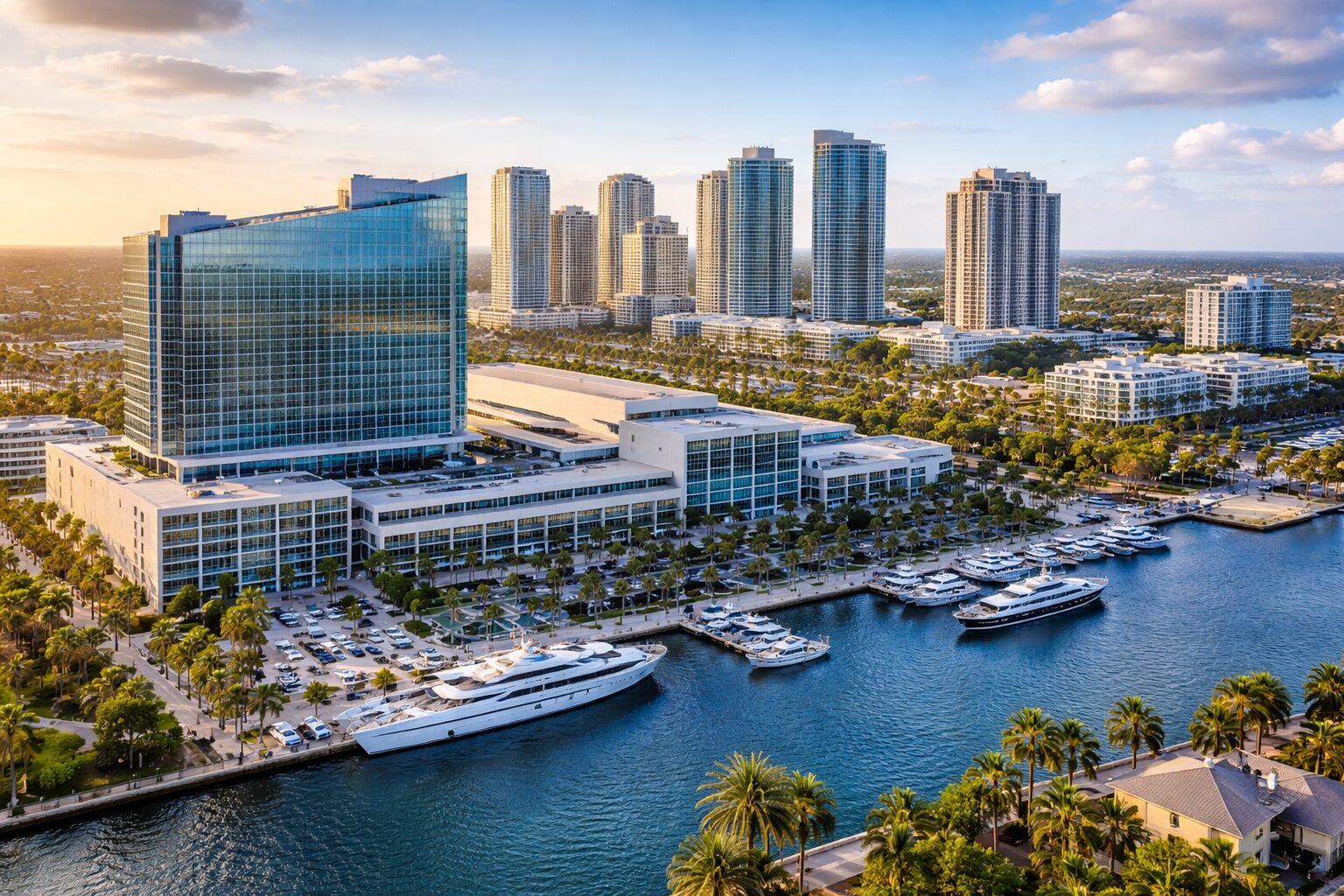
Start at the water’s edge, where Fort Lauderdale’s convention corridor has been waiting for its true centerpiece. The Omni Fort Lauderdale Hotel officially opened its doors this week, delivering 801 rooms designed to function as the Convention Center District’s long-awaited anchor.
For Broward, this is not about bragging rights. It is about capture. More room nights kept in-county. Larger conventions that no longer need to hedge with overflow hotels elsewhere. A waterfront district finally behaving like a cohesive economic engine rather than a collection of adjacent assets.
Capital Still Chooses Carefully
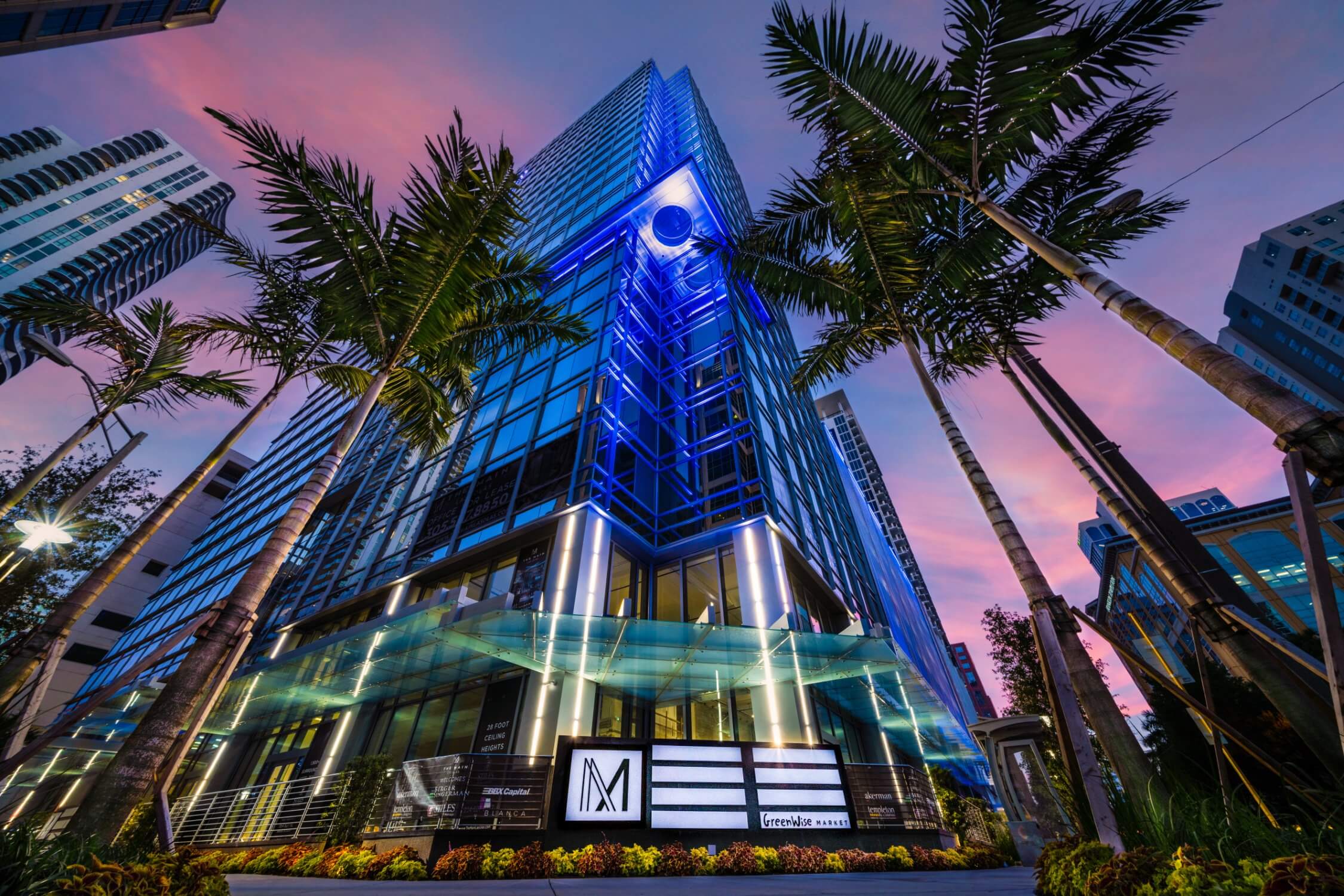
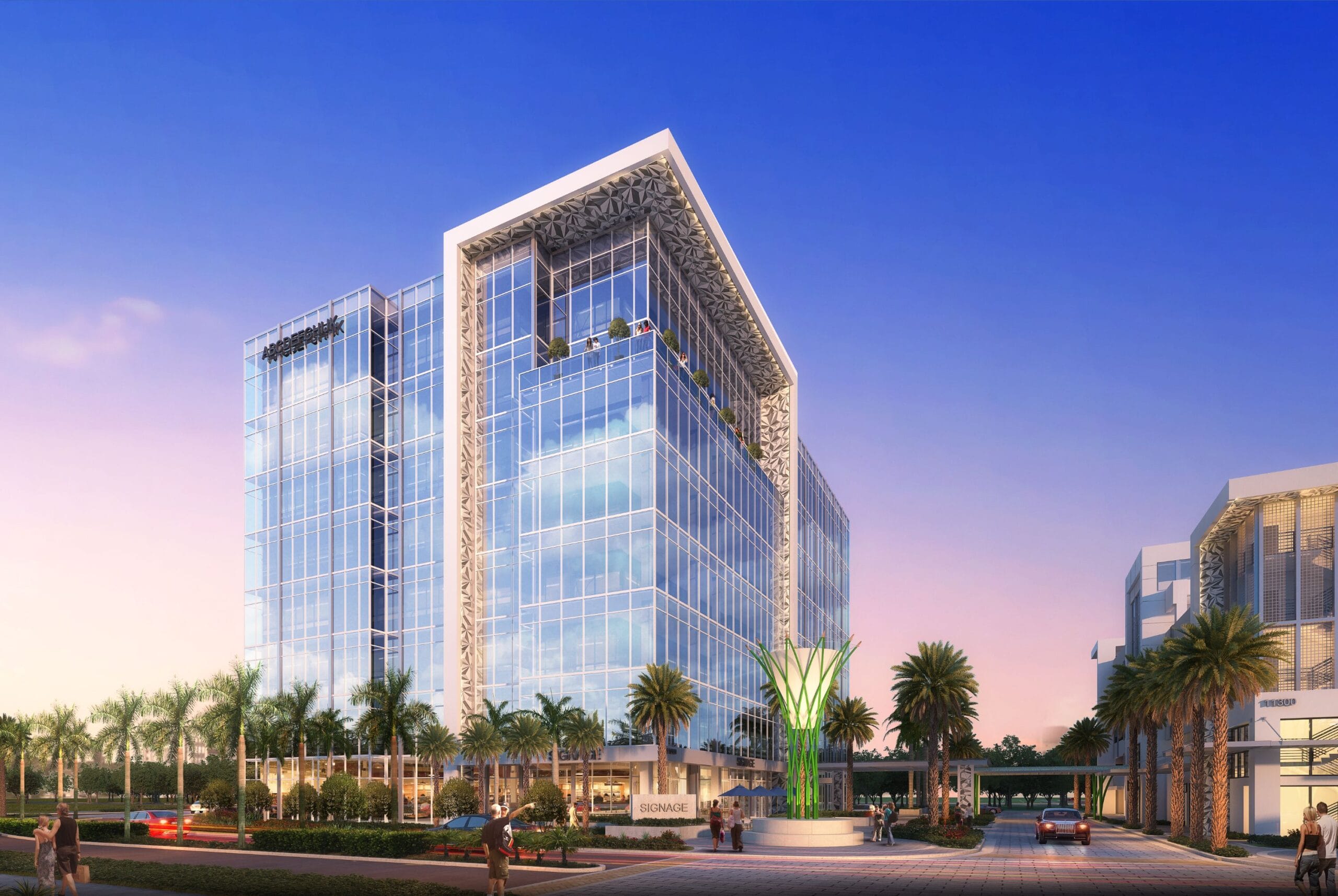
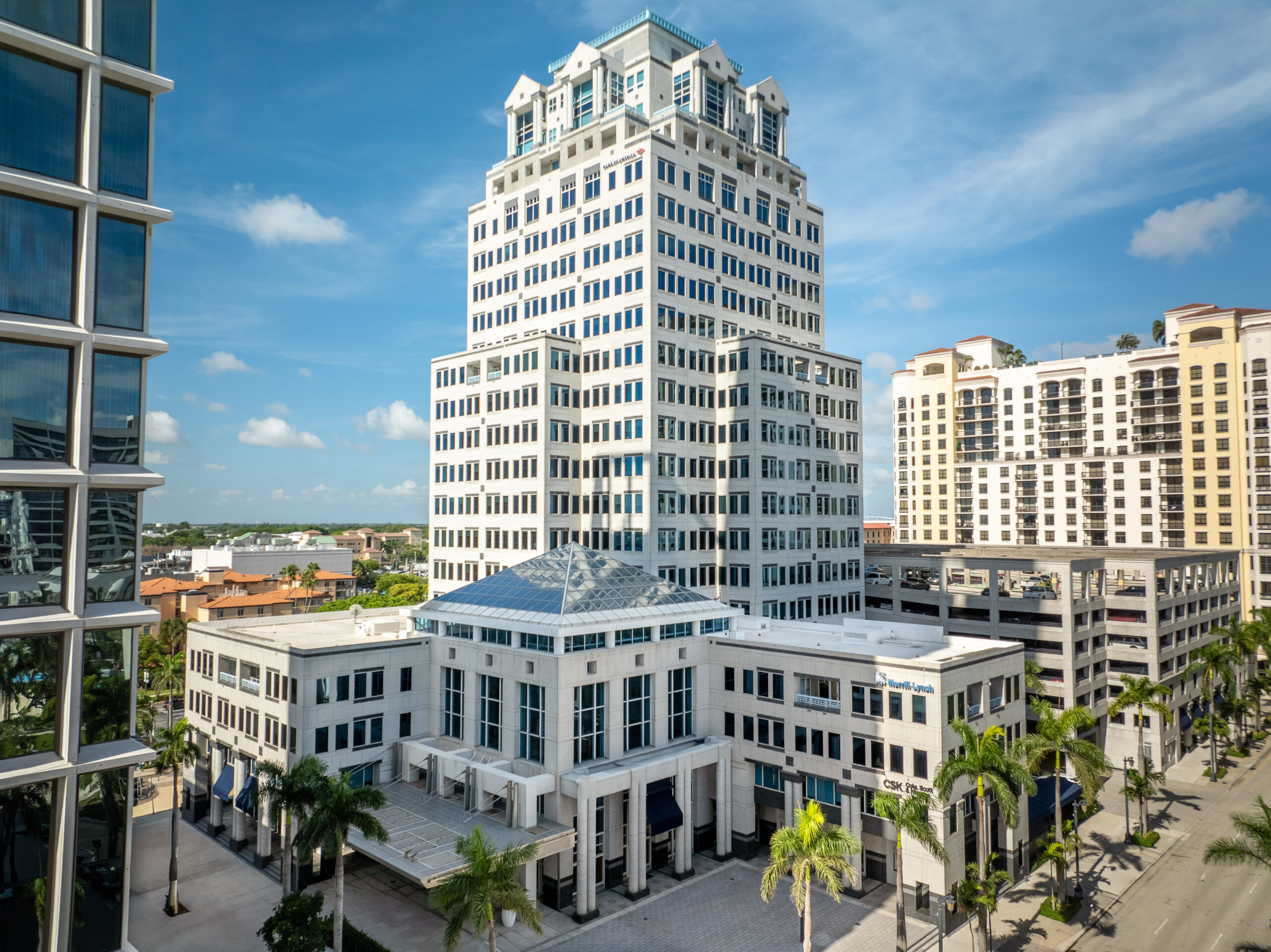
If hospitality delivered the visible confidence play, the capital markets supplied the subtext. JLL announced $185 million in financing for The Main, one of downtown Fort Lauderdale’s most prominent office towers.
In a market where office lending remains selective, the message is precise. Capital is not indiscriminate, but it is still very much available for assets with the right mix of tenancy, location, and long-term relevance. In Broward, quality continues to matter more than category.
Multifamily Keeps Moving Forward

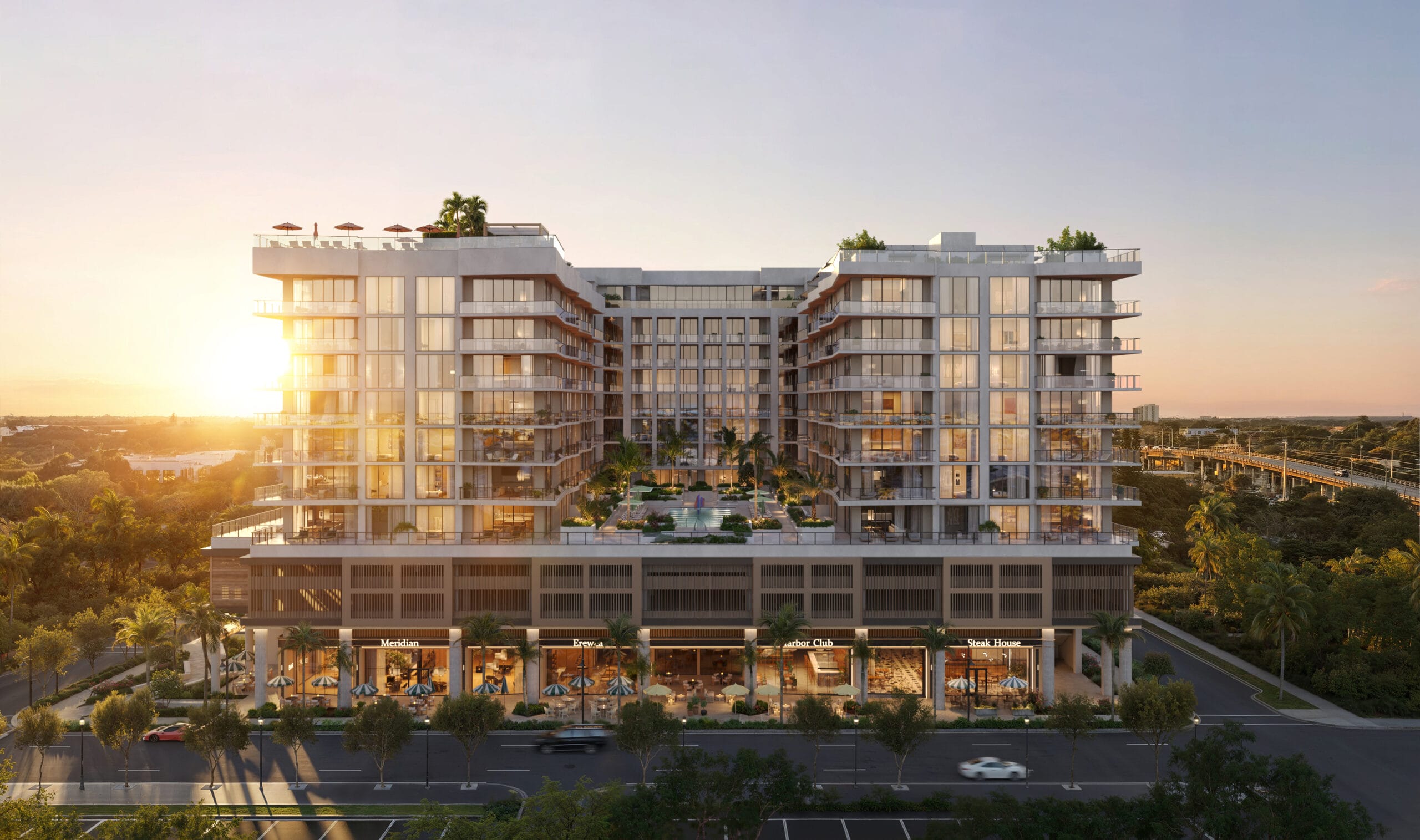
Residential development delivered its own quiet signals of momentum. Berkadia arranged an $84 million construction bridge loan for Astor Park Flagler Village, a 252-unit multifamily project nearing completion.
Bridge financing is not a red flag in today’s environment. It is a tool of precision, allowing projects with strong fundamentals to maintain velocity while markets recalibrate. Flagler Village, once experimental, now reads as established urban fabric.
Pricing Signals in Pompano Beach
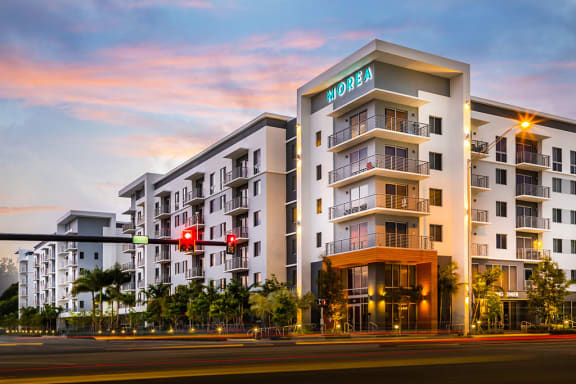
North of Fort Lauderdale, the transaction tape offered clarity. Griffis Residential acquired Saba Pompano Beach, a 144-unit community, for $41 million.
These mid-sized trades rarely steal headlines, but they quietly set the market. Pricing like this informs underwriting across the county and reinforces that well-located, stabilized multifamily assets remain liquid even as buyers stay disciplined.
Retail Expansion, Incrementally


Retail growth arrived without theatrics. Curaleaf marked the opening of its Lauderhill dispensary, expanding its Broward footprint with a focus on accessibility and repeat demand rather than novelty.
For operators in regulated categories, Broward continues to offer a blend of density, demographics, and predictable consumer behavior that supports steady expansion.
Building the Pipeline, Not Just the Skyline


Finally, a reminder that economic development does not always wear a hard hat. The City of Hollywood Florida promoted applications for its FastTrac small-business program, reinforcing an often-overlooked truth: sustainable growth depends as much on cultivating local operators as it does on attracting marquee names.
The Takeaway
Call it a quiet week if you like. In Broward, quiet often signals competence. Hospitality infrastructure came online. Institutional capital showed up for the right assets. Housing continued to transact. Retail expanded methodically. And the small-business pipeline kept moving.