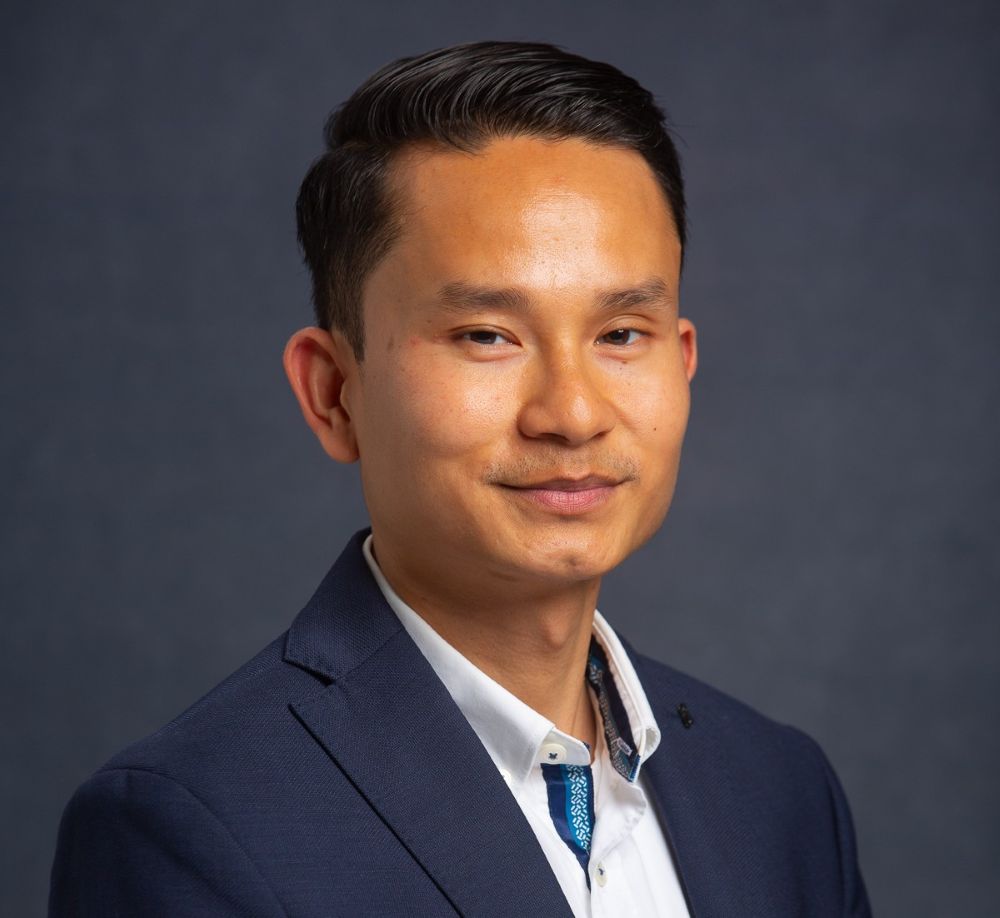

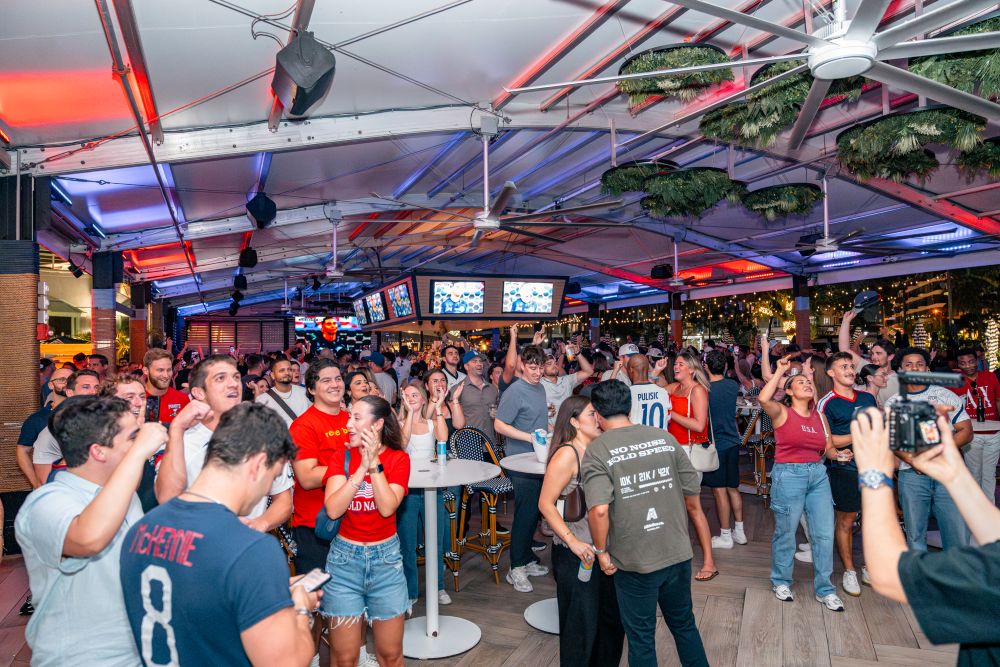
For Emi Guerra, co-founder of Breakwater Hospitality Group, the connection between sports and hospitality goes well beyond putting televisions behind a bar.
Major sporting events can drive traffic, create programming opportunities, and give restaurants another way to connect with customers. But Guerra believes the relationship works because sports and hospitality ultimately deliver much of the same thing: a shared experience.
“I’m not sure if it’s a tribal thing, but you see other like-minded people that are fans of something,” Guerra says. “When you’re all cheering, you get this community feeling.”
The economic stakes can be substantial. Ahead of the 2026 FIFA World Cup, the Fort Lauderdale Downtown Development Authority reported that FIFA projected approximately 700,000 visitors for the seven matches played in South Florida, with 60 percent of ticket holders expected to come from outside the region. At least 210,000 visitors were projected to stay in Broward County.
Visit Lauderdale’s post-event recap stated that the World Cup resulted in $130 million to $140 million in economic impact for Greater Fort Lauderdale over June and July, including spending on restaurants, hotels, transportation and entertainment. The influx was especially significant because it arrived during the traditionally slower summer season.
But simply having thousands of sports fans descend on South Florida doesn’t guarantee that every restaurant or bar will reap the benefits. Operators have to give those fans a reason to walk through their doors.
For Breakwater, which operates concepts including JohnMartin’s in Coral Gables and Pier 5 at Bayside Marketplace, that means actively incorporating sports into its programming. The World Cup provided Breakwater with a chance to put that philosophy into practice.
“FIFA was fantastic for us,” Guerra says. “We went out of our way. We opened up for every single game. We promoted it and made it our thing.”
When Guerra and his team learned that the official FIFA Fan Festival would be located at Bayside Marketplace, they transformed Pier 5 into a World Cup-themed pop-up called Fútbol Fan HQ, complete with fan activations and interactive games, live tournament matches on a giant LED screen, and food and drink options.
Breakwater took a similar approach at The Wharf Fort Lauderdale, turning the open-air waterfront venue along the New River into a World Cup watch-party destination. Admission was generally free with an RSVP, while reserved seating and table packages offered another revenue opportunity, ranging from approximately $269 to $537. Massive viewing screens, soccer-themed installations, cocktails, and food vendors turned the matches into events that could appeal to both serious soccer fans and more casual customers.
Although JohnMartin’s isn’t primarily a sports bar, it also made the tournament part of its programming, opening for every game and heavily promoting its watch parties. Although Breakwater did not disclose revenue generated during the World Cup, Guerra says the company saw the benefits of leaning into the tournament.
Formula 1 has created similar opportunities, with Breakwater having partnered with racing brands on large-scale activations, including Aston Martin at Pier 5 and McLaren in Coconut Grove.
“We saw a massive upside because of it,” Guerra says.
The World Baseball Classic also produces a noticeable bump, Guerra says, and Breakwater has worked with the Miami Dolphins on events and promotions.
Although none of Breakwater’s venues are traditional sports bars, Guerra says that doesn’t stop them from embracing sporting events. That distinction is important: sports can be a significant driver of business without having to pigeonhole a restaurant.
JohnMartin’s, for instance, can draw a crowd for a major soccer match while still functioning as a neighborhood tavern where someone might celebrate a birthday, meet friends for happy hour or have dinner. “If you’re a sports bar, you might not get somebody’s 40th birthday party,” Guerra says. “We are more than that. It really allows us to have amazing watch parties, and still be a good date night.”
That flexibility has become particularly valuable as the hospitality industry faces higher operating costs and shifts in consumer behavior. Guerra says customers are sharing more dishes, ordering less, and generally drinking less than they did in the past. At the same time, South Florida diners have an enormous number of restaurants competing for their attention and dollars.
“What worked 10 years ago doesn’t work today,” Guerra says. “You have to be that much better.”
For Guerra, the connection between sports and hospitality ultimately comes back to the experience. A sporting event gives people a reason to gather, but restaurants and bars provide the place where that collective experience happens.
“You’re out there earning a living, thinking about stress,” Guerra says. Then you walk into a room filled with fans, have a drink in your hand, and suddenly become part of something larger.
“When you’re all cheering, you get this community feeling.”
For hospitality professionals, that sense of community can make the difference between surviving and thriving in South Florida’s competitive marketplace.