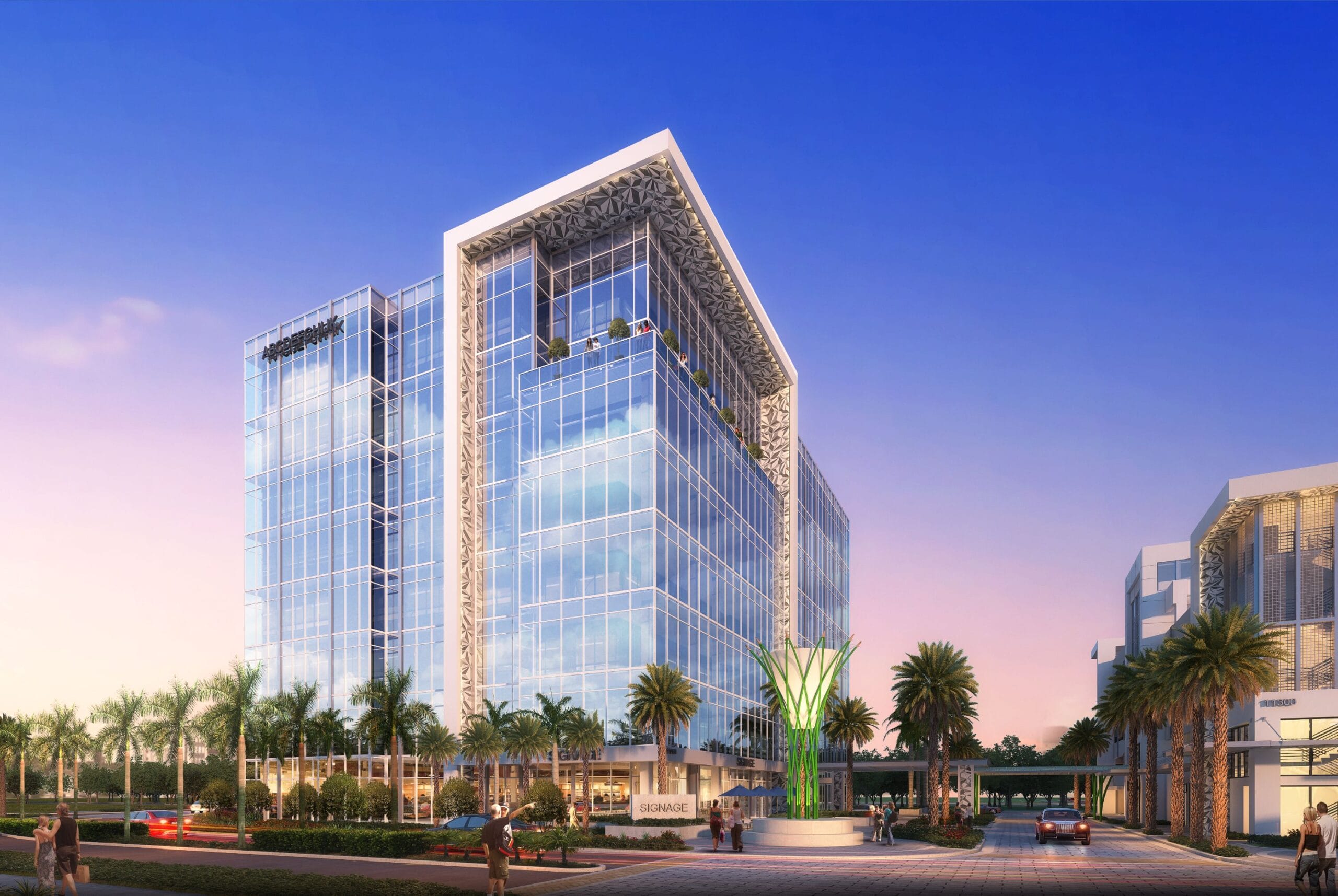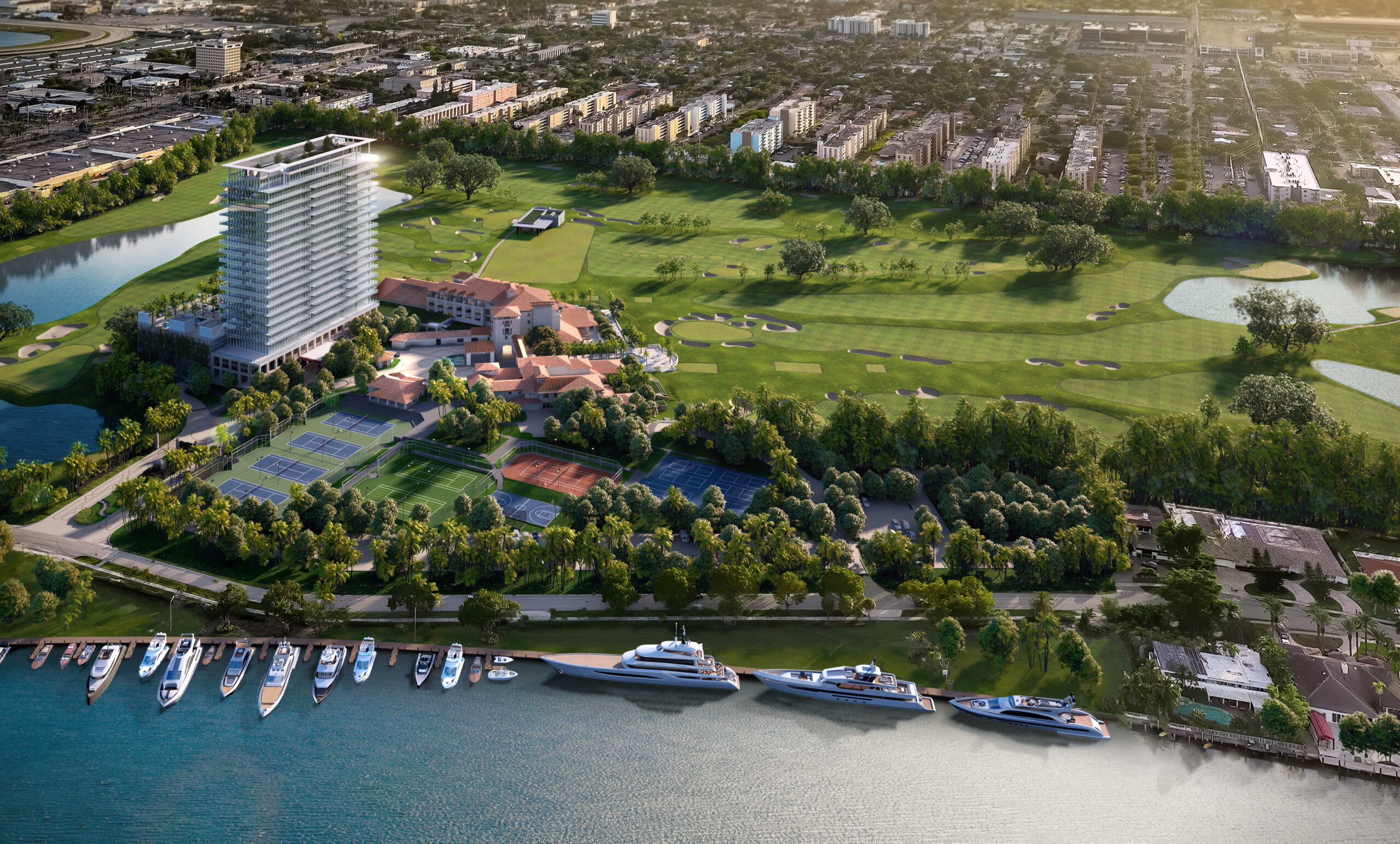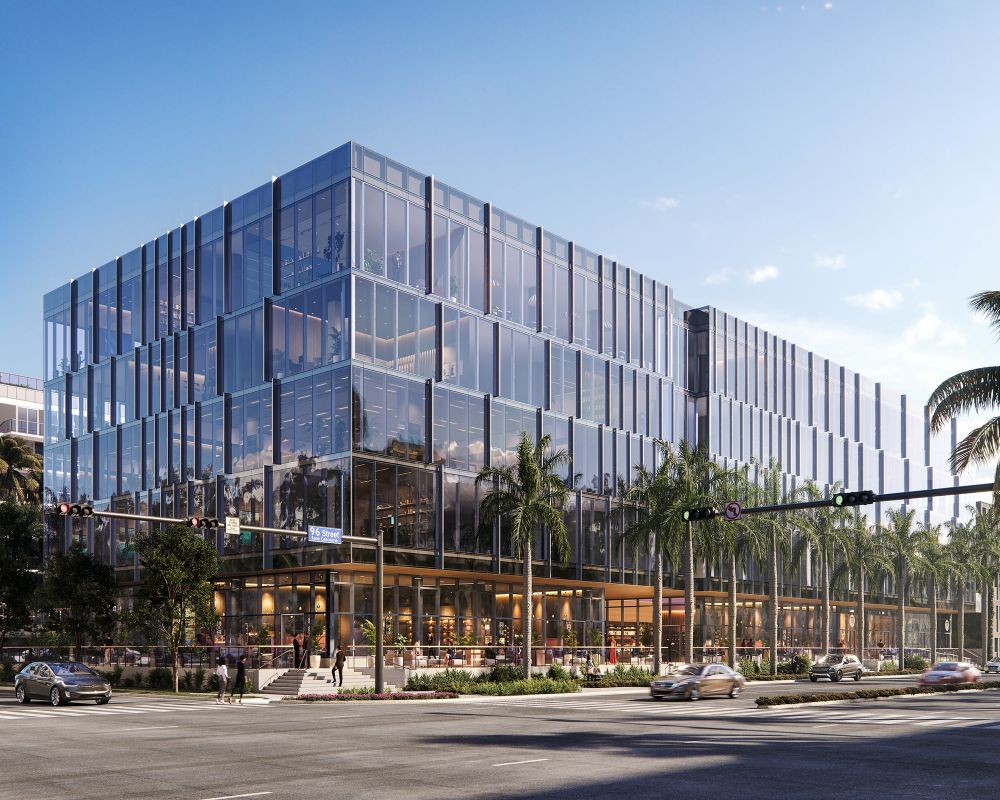

South Florida’s next tower comes with a risk that can reach well beyond its property line. In dense development corridors, an equipment failure can threaten a neighboring building, close a street or disrupt a business with no connection to the construction project whatsoever.
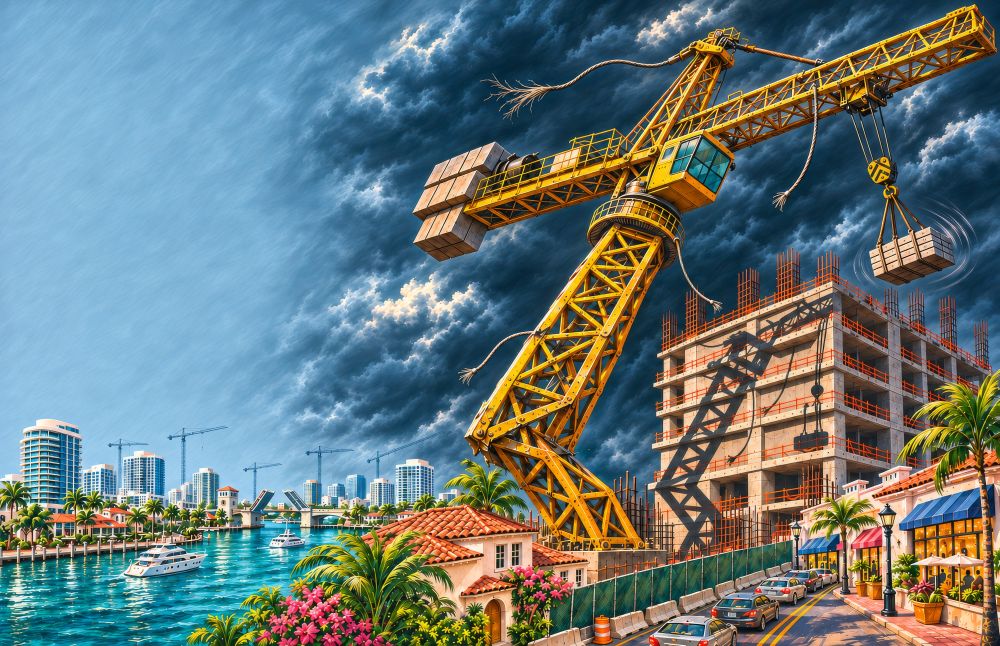
The danger became vivid September 14, when an 85-foot piling rig collapsed in Miami’s Brickell neighborhood, sending four people to hospitals and crushing vehicles and a construction container. Initially described as a crane collapse, the incident, as reported by Local 10, among others, involved a drilling rig. Just days later, on September 24, two cranes toppled over in Fort Lauderdale’s Rio Vista neighborhood, crashing through the roof of a home. Thankfully, no one was injured.
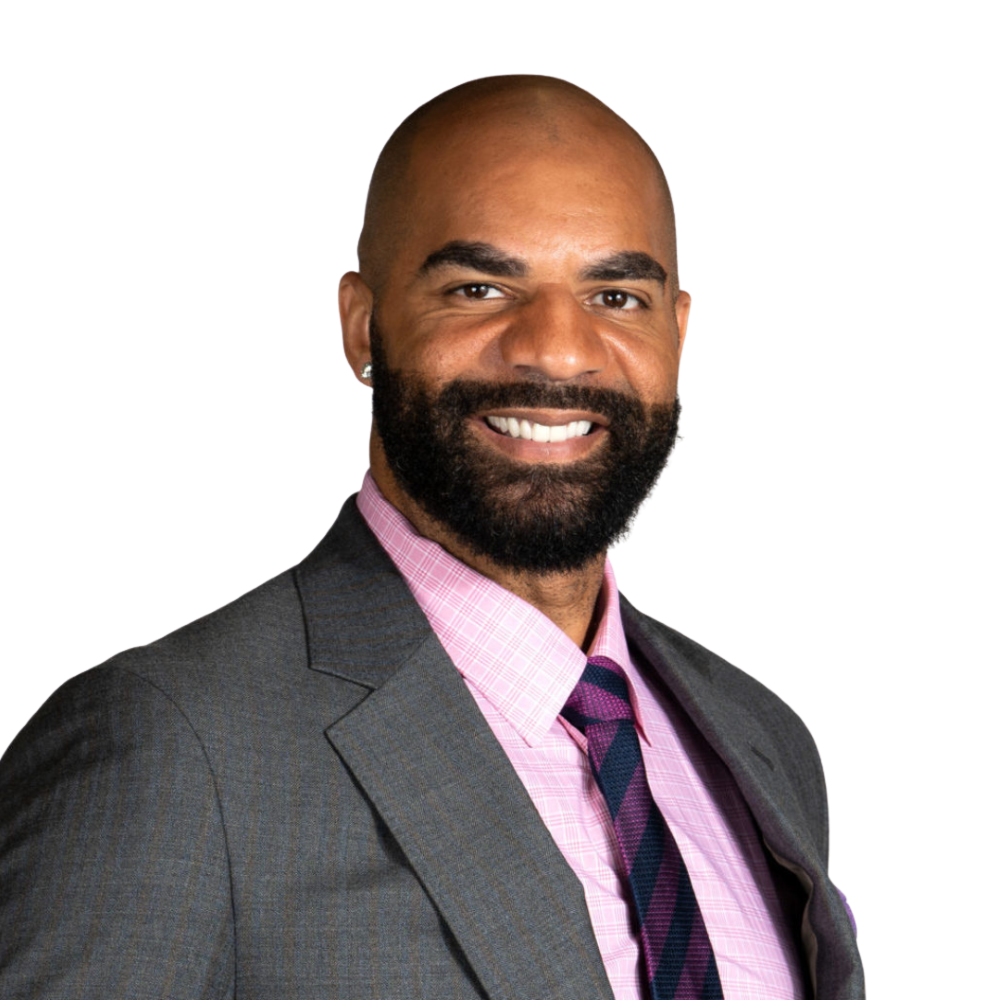
For Oscar Seikaly, CEO of NSI Insurance Group, the broader concern is how closely South Florida is stacking people, property, and financial exposure. His firm’s construction practice serves businesses ranging from electricians and plumbers to developers, giving him a view across the development chain.
“All I would worry about is the huge concentration of values and the insurability of all these values in one location,” he says.
That concentration creates a challenge beyond any individual project’s engineering. Insurers must consider how much they could lose across multiple properties in the same catastrophe. As new buildings add value to an already crowded market, Seikaly says, finding companies willing to assume additional exposure can become harder.
A construction accident and a hurricane are different threats, but proximity can amplify either. A falling rig can reach occupied property. A major storm can damage numerous insured buildings simultaneously.
Workplace safety figures underscore the stakes. According to the U.S. Bureau of Labor Statistics, private-sector construction recorded 1,034 workplace fatalities nationwide in 2024, the highest total of any private industry sector, despite a 3.8% decline from 2023.
Seikaly wants greater attention to equipment security and stronger local enforcement as projects move closer together. His concern extends to residents, motorists, and neighboring businesses outside the construction fence.
“It’s not like you have empty land between one and the other,” he says. “They’re all on top of each other.”
For developers and general contractors, that puts site safeguards alongside financial risk management as a business priority. Securing equipment and maintaining a protected perimeter have consequences for everyone nearby. Seikaly argues that oversight must keep pace with that exposure.
“It’s just that we need to be more proactive,” he says.
Longer term, he sees rising water as another threat to the region’s investment in its skyline. According to a 2022 NOAA-led federal report, sea levels along U.S. coastlines are projected to rise an average of 10 to 12 inches between 2020 and 2050, with regional differences.
The insurance distinction matters – FEMA says most homeowners’ insurance does not cover flood damage. Flood protection requires separate coverage.
Seikaly also cautions against assuming a condominium association’s insurance protects everything inside an individual residence. Florida’s Department of Financial Services explains that condominium unit-owner policies primarily protect personal property and liability, with some structural coverage. “But what you own within the building is your responsibility,” he says.
His warning comes from experience. During Hurricane Andrew, Seikaly was renting a Brickell residence when wind swept his possessions into a swimming pool eight stories below. He says his insurance covered his losses; the unit’s owner lacked coverage and faced substantial repairs.
“Even my forks and knives were in the swimming pool downstairs,” he recalls.
For those buying into South Florida’s vertical growth, that memory offers a concrete reason to examine coverage before disaster strikes. A new building’s appearance and an association’s policy cannot answer every question about an owner’s or tenant’s financial exposure.