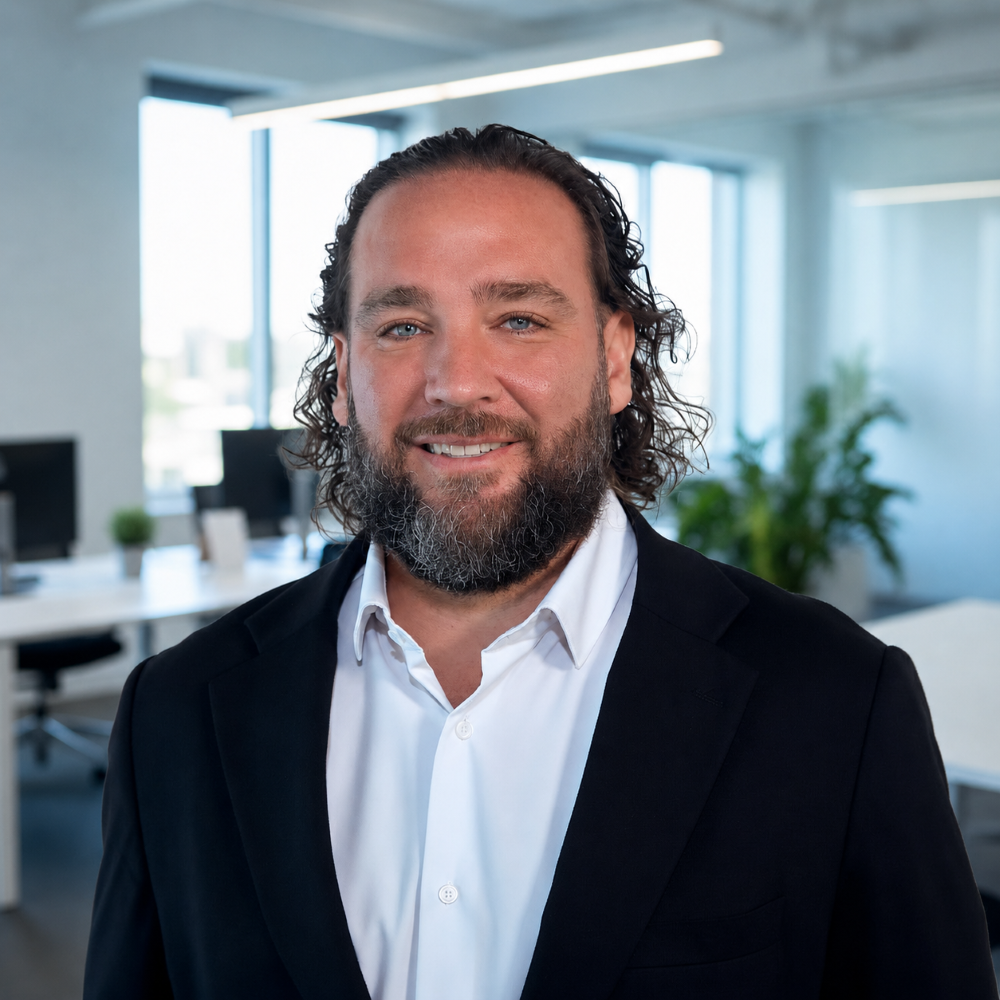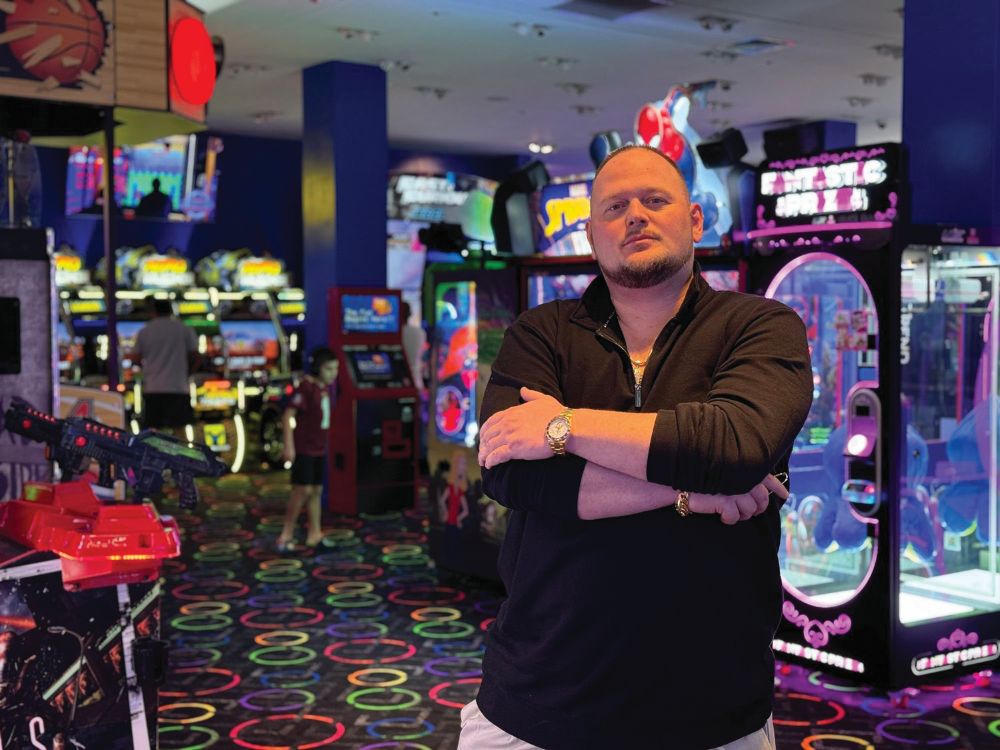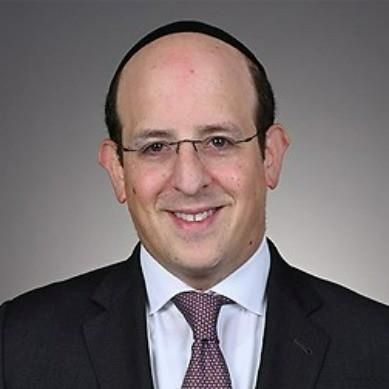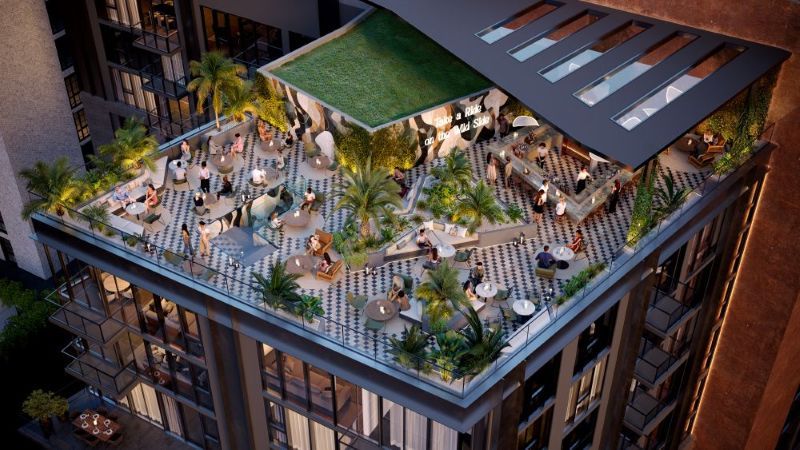

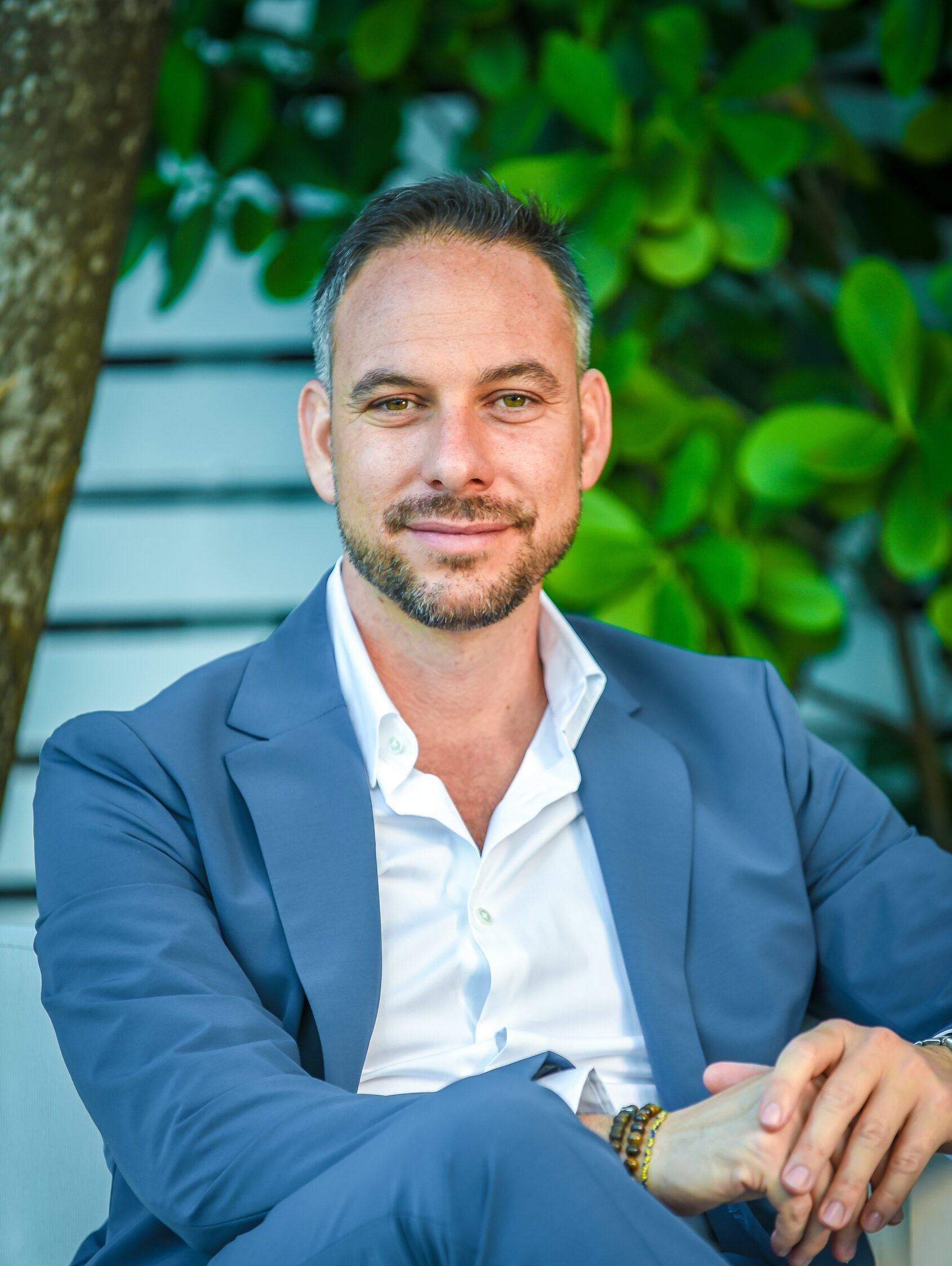
After a brief stint in nightlife, and then as a residential “broker to the stars,” in 2005, Tony Cho started his own commercial brokerage, Metro 1. The subsequent downturns put him “in crisis,” he says—but then came work in developing the Arts District in Wynwood (“my first experience in placemaking, really,” he says) and Little Haiti.
The multifaceted success of those and other projects (the firm has done more than $3 billion in business) galvanized him, and today he is also founder and CEO of Future of Cities, a multifaceted development and venture company with a global vision.
When SFBW spoke with Cho, he had just returned from presenting his ideas at the U.N. General Assembly in New York, and was packing his bags to head to the U.N. Climate Conference in Glasgow, Scotland. But all his efforts emanate from South Florida: “I feel that Florida, and Miami in particular, should become a hub for climate tech and innovation,” he insists. “We should invest in becoming one of the most resilient cities in the world.”
The goals of the Future of Cities seem rather ambitious, to say the least.
The mission is to positively influence the lives of 1 billion people through innovation in the built environment. And that doesn’t mean building housing for 1 billion people. It’s more like TED’s rubric, “Ideas worth spreading.” We’re spreading ideas around sustainable and regenerative development practices. People are looking at demonstration projects to emulate and do more equitable and inclusive projects. It’s about inspiring a generation of impact investors and impact developers to help reinvent the built environment.
So you feel the development and real estate systems need help?
It’s pretty much broken. The way that we build, the materials we use, the zoning—everything is putting us at risk. We’re not building pandemic-resistant projects, and we’re not building environmentally resilient projects. So our vision is to leverage public-private partnerships, opportunity zones—all the tools that exist in the toolbox to create Environmental Social and Governance projects. We have a venture capital ecosystem that is investing in technology and companies that are accelerating this transition to the Future of Cities paradigm.
In the middle of the platform sits a think tank. With a group of global advisers, we’re open-sourcing our own sustainable development framework, called regenerative placemaking, which takes and builds upon decades of research from our strategic partners. We have to figure out ways that we can do inclusive and equitable projects, and leverage fintech solutions and subsidies and partnerships to co-create and design neighborhoods that don’t push people out.
That sounds huge and global in scope. Where does Miami fit into all of this?
We’re presenting these ideas on global stages. But I’m always talking about Miami. Miami is one of the most financially at-risk cities in the world for sea level rise and climate change. There are still many people—leaders—out there who don’t believe the data. But I’m a big believer. I’m a native Floridian and I have watched the changes happen throughout the state. I’ve watched the suburbanization of our state. I’ve seen the flooding in Miami Beach. There have definitely been visible changes within my lifetime.
And what have been the results?
Look at all the pollution that’s going into Biscayne Bay. That’s a crime. With the amount of capital and money coming into Miami, to have these things happen is just unacceptable. I think it’s time for us as a human civilization to take responsibility for our actions. The UN climate report clearly outlines the direct results of human behavior. People say, “Oh, it’s cyclical.” No. We’ve been stable for about 10,000 years, and now we’re about to tip a degree and a half, which will disrupt our farming practices, climate events, desertification for many thousands of miles along the entire equator. People are buying Miami real estate without taking these things into consideration—which is good for business. People ask, “Why are you building in a place that you believe is going to be underwater?” I don’t know when or if it’s going to be completely underwater; I know it’s being threatened by human activity that we can change.
Is saving the world is a good business strategy?
I’m setting out to demonstrate better returns than traditional projects. I want to disrupt the whole model, but it requires being very intelligent in how you leverage public/private dollars and foundational support. Co-designing and working with municipalities and cities and the local community can accelerate your entitlements and your support.
Most people experience friction because they’re not in alignment with the needs of their community. We’re focusing on solving the biggest challenges of those communities, and we do it together with them—and we expect to be rewarded. All the projects we underwrite at a minimum of 8% return. We’re looking at low-20s [on others]. A lot of what we’re doing right now are opportunity zones, and those are 10-year horizon, so we’re not looking at flipping things, either. We can monetize before the 10 years, and there are investment approaches that really make things more interesting financially. But this is not charity—it’s impact investment through an ESG lens.