

There’s an eternal problem with criminal enterprises trying to hide their ownership in corporations, often to launder money or support terrorism. That’s being addressed by the new federal Corporate Transparency Act, which requires disclosure of beneficial ownership at millions of businesses via a new form. An individual typically qualifies as a beneficial owner if they directly or indirectly own at least 25 percent of a company or have a major influence on the company’s decisions or operations.
The U.S. Chamber of Commerce website (uschamber.com) has a helpful summary of the act: Businesses registered or established post-January 1, 2024, must provide information regarding the business, its beneficial owners and the jurisdiction of the documents. Businesses established before that date can omit information about company applicants.
Filings will need to be updated if a beneficial owner changes their address, legally changes their name or obtains a new driver’s license, Roger Harris, president of Padgett Business Services told the chamber. Operational changes or a new delegation of authority could also necessitate an update.
Law enforcement, banks and other financial institutions will have access to the database for due diligence, but it will be closed to the public.
Money laundering central
Gary Kalman, executive director at Transparency International, says the United States is the easiest place to hide a stash of money.
The U.S. ranks first on the Financial Secrecy Index since it provides 25.8 percent of its financial services to non-residents and has a secrecy score of 67 out of 100.
“The U.S. has the trifecta for being a great offshore financial center. Until this year, you could create an anonymous company here and move money from Dubai, invest in the U.S. and do it with complete secrecy and opacity,” says Kalman, whose organization advocates globally for transparency.

While the Cayman Islands and British Virgin Islands are often mentioned when it comes to money laundering, the money doesn’t stay there, he says. You can’t take billions and invest in a small economy, because people will notice.
Kalman said it takes the average small business 10 to 15 minutes to fill out the form, which is on www.fincen.gov. Of course, many businesses have more complicated structures, so the FinCen website says it can average from 90 to 650 minutes.
While some small business owners will fill out the forms, many will undoubtedly turn to their lawyers.
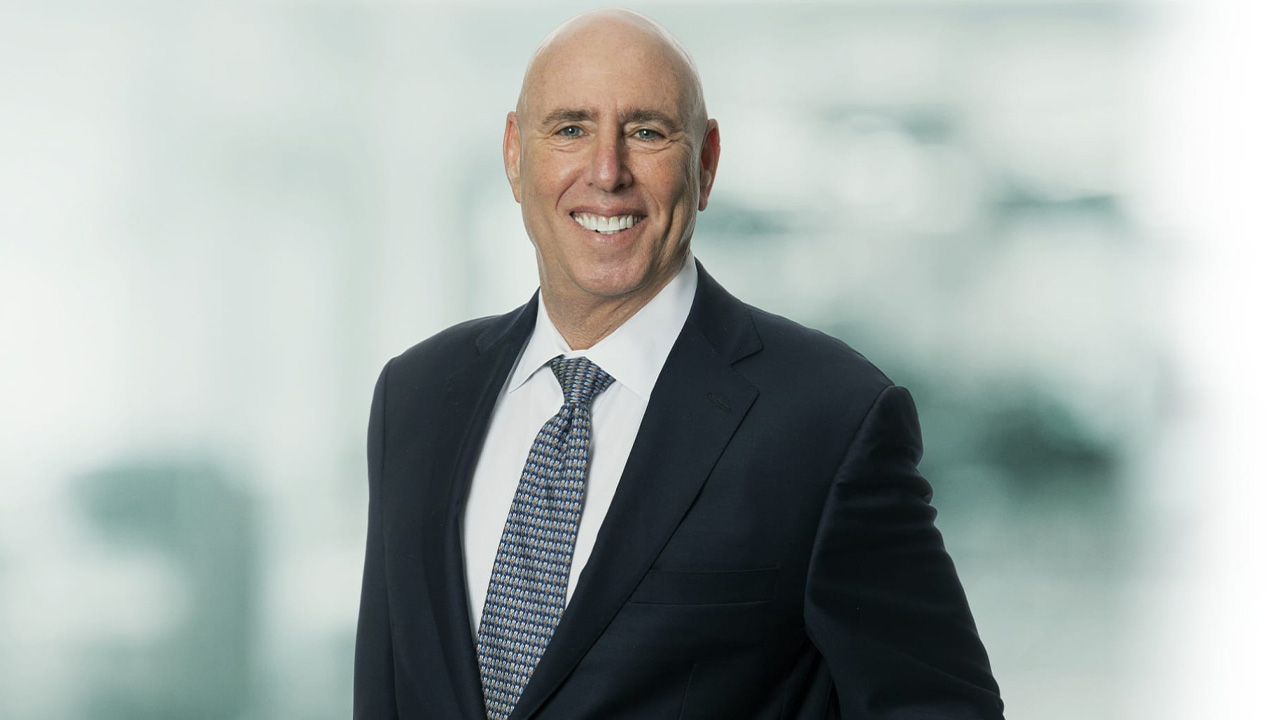
Larry Kellogg (main photo), a founding partner at Levine Kellogg Lehman Schneider + Grossman in Miami, says he’s hearing that it doesn’t take a lot of time to fill out the form. He’s not a corporate customer, but thinks the act will help victims of fraud that he represents.
Kellogg says the Transparency Act will be helpful when there’s a Ponzi scheme, so victims can look for documentation on who owns a company.
There’s still a lot of flight capital coming into South Florida and hidden in LLCs, Kellogg says. The crime here is often using the banking system to hide the money.
The Florida Division of Corporations doesn’t require disclosure of beneficial ownerships, which isn’t particularly unusual.