

After several years defined by rapid expansion, record in-migration, and a red-hot real estate market, South Florida enters 2026 on more measured footing. According to forecasts from regional economists, national housing analysts, and business research institutions, the coming year is expected to bring moderate growth, increased balance, and greater predictability across the region’s economy.
Rather than signaling a slowdown, experts say 2026 represents a normalization phase—one that rewards strategic planning, operational discipline, and long-term investment.
A Cooling—but Still Growing—Regional Economy
Florida’s broader economy is projected to continue growing in 2026, though at a slower pace than the post-pandemic surge that reshaped South Florida over the past five years. Economic outlooks from institutions including Comerica Bank and Florida Atlantic University point to growth rates that more closely align with national trends.
Unemployment is expected to rise slightly, hovering in the mid-4 percent range, while wage growth moderates after years of aggressive competition for talent. Economists describe the labor market as stabilizing rather than weakening—an important distinction for business leaders planning hiring and expansion.
South Florida’s diversified economic base, anchored by healthcare, professional services, tourism, trade, logistics, and financial services, continues to provide resilience even as momentum cools.
Real Estate Shifts Toward Balance
After years of tight inventory and soaring prices, South Florida’s residential real estate market is expected to become more balanced in 2026.
Industry forecasts from Florida Realtors and Realtor.com suggest inventory levels will continue to rise, giving buyers more options and easing pressure on prices. While home values are still projected to grow, gains are expected to be modest rather than explosive.
Mortgage rates, while unlikely to return to historic lows, are anticipated to stabilize, improving affordability for some buyers who sat on the sidelines in 2024 and 2025. For developers and investors, the environment favors disciplined underwriting and long-term holds over short-term speculation.
Rentals and Property Operations Take Center Stage
The rental market in South Florida is also expected to steady. Analysts predict continued demand—particularly in urban cores like Miami and Fort Lauderdale—but with slower rent growth and increased competition.
Property owners and managers are increasingly focused on operational efficiency, tenant experience, and technology adoption to maintain margins. Rather than relying on rising rents alone, success in 2026 will hinge on retention strategies, compliance readiness, and cost control.
Hiring Slows, But the Workforce Remains Competitive
Employers across South Florida are expected to take a more cautious approach to hiring in 2026, mirroring national trends. While job creation continues, it is projected to slow compared to recent years.
This moderation may ease some wage pressure and reduce churn, giving employers an opportunity to focus on retention, training, and internal mobility. Despite the slowdown, South Florida remains an attractive destination for professionals drawn by lifestyle, tax advantages, and industry opportunity—particularly in healthcare, finance, and logistics.
Tourism and Hospitality Remain Economic Pillar
Tourism, a cornerstone of South Florida’s economy, is expected to remain strong in 2026. Continued international travel, major sporting and cultural events, and infrastructure investments support optimism across the hospitality sector.
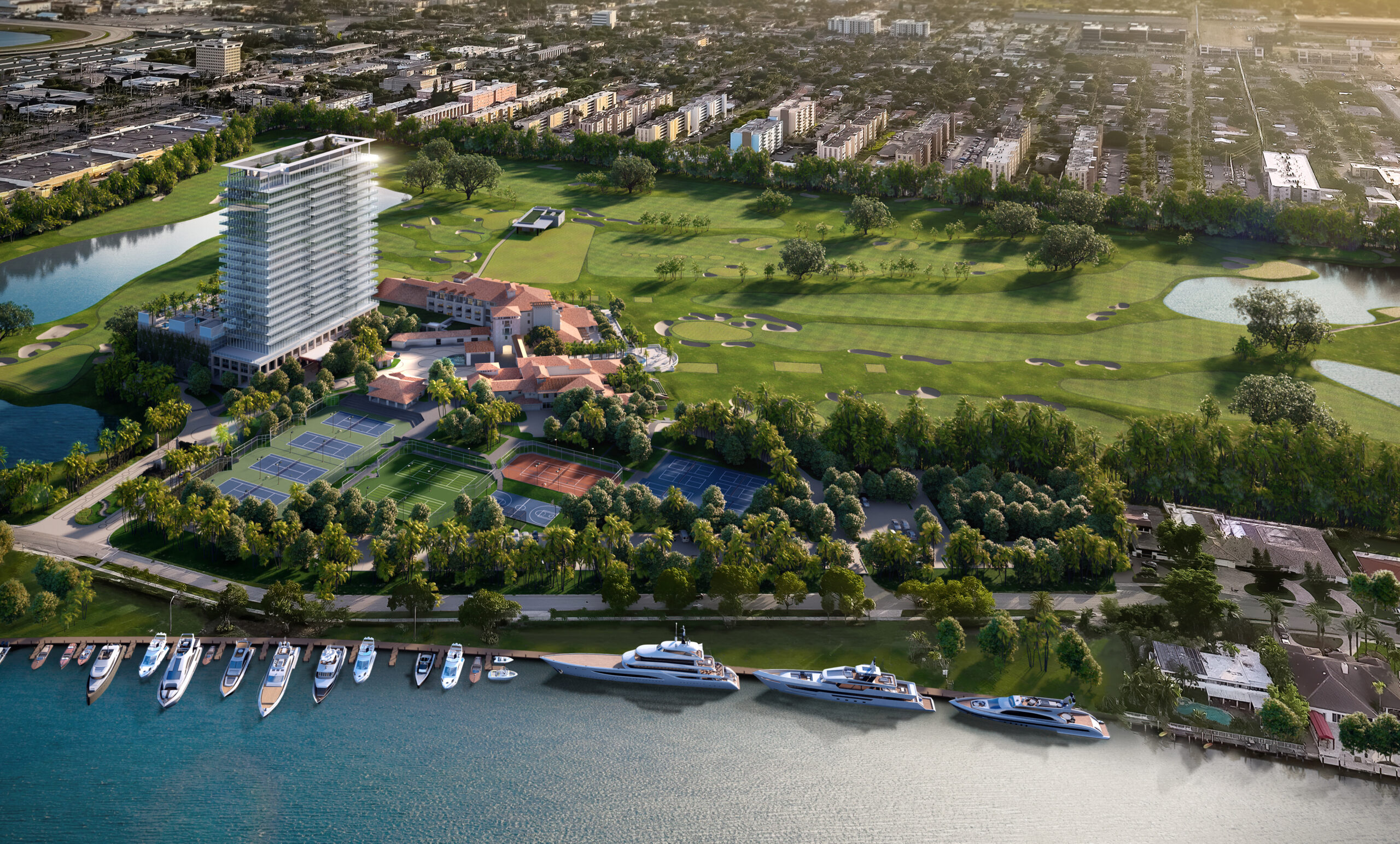
Developments such as Miami Freedom Park and ongoing waterfront revitalization projects in Fort Lauderdale are expected to generate sustained visitor interest, benefitting hotels, restaurants, transportation providers, and experiential businesses.
Industry analysts note that while travel demand may normalize, it remains well above pre-pandemic levels—particularly for leisure and destination-driven markets like South Florida.
Infrastructure and Long-Term Investment Signal Confidence
Public and private investment continues to shape South Florida’s long-term outlook. Large-scale infrastructure and mixed-use projects moving forward in 2026 reinforce confidence in the region’s economic future, even as growth cools in the near term.
While some transportation initiatives extend beyond 2026, ongoing planning and funding underscore a commitment to supporting population growth, business mobility, and urban development across Miami-Dade, Broward, and Palm Beach counties.
What 2026 Means for South Florida Businesses
For business leaders, 2026 is shaping up to be a year that favors strategy over speed.
Moderate growth rewards companies that prioritize operational efficiency, realistic forecasting, and talent development. Rather than chasing expansion at all costs, successful organizations will focus on strengthening fundamentals, improving margins, and positioning themselves for the next growth cycle.
South Florida may no longer be in a boom phase—but by most economic measures, it remains one of the country’s most resilient and opportunity-rich regions heading into 2026.