
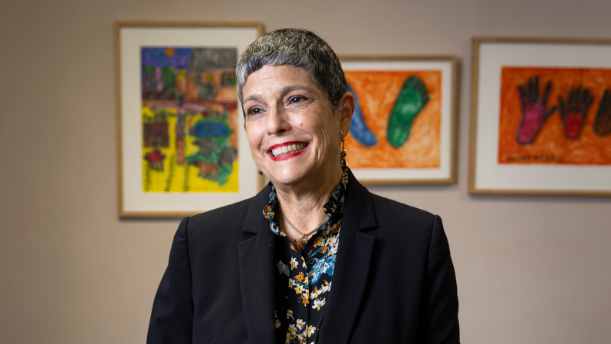
In a region defined by rapid growth, cultural diversity, and widening social needs, few leadership roles are as quietly consequential as Silvia M. Quintana’s. As Chief Executive Officer of the Broward Behavioral Health Coalition, Quintana oversees the development, implementation, and management of Broward County’s Substance Abuse and Mental Health System of Care. It is a role that requires fluency in policy, compassion in practice, and discipline in execution, often simultaneously.
A licensed mental health counselor and certified addictions professional, Quintana brings clinical credibility to a job that is fundamentally about systems. Since stepping into the CEO role, she has grown the organization’s budget from $44 million to $118.3 million, expanded access to care through a broad provider network, and secured significant federal and state funding. The numbers matter, but they are not the point. For Quintana, scale is only meaningful when it translates into access, dignity, and continuity for people navigating behavioral health challenges.
Her leadership style is rooted in inclusion and accountability. Inside the organization, Quintana is deliberate about listening. “Our staff is our greatest asset,” she says, a refrain she reinforces not as rhetoric but as practice. Flexible schedules, professional development, and visible recognition are part of the Coalition’s culture, not perks layered on after the fact. Staff contributions are acknowledged publicly, in meetings and in community settings, signaling that wellness starts with being seen and valued.
That philosophy extends beyond the office walls. Under Quintana’s leadership, the Coalition launched Broward County’s first Suicide Prevention Coalition in collaboration with United Way of Broward County, expanded multilingual youth mental health resources, and partnered with Memorial Healthcare System to establish the county’s first detoxification program for women with substance use disorders, including pregnant women. These initiatives are operationally complex and politically sensitive, yet Quintana has been recognized statewide for introducing best practices that address the needs of vulnerable populations, particularly children with complex behavioral challenges.
Cultural responsiveness has been a defining throughline of her tenure. Quintana championed the Spanish translation of the Community Health Worker Certification exam and supported the launch of Broward’s first Hispanic-focused mental health and substance abuse prevention program. In a county where language and cultural barriers can determine whether someone ever enters the system of care, these efforts are not symbolic. They are structural.
For CEOs watching rising burnout among working professionals, Quintana’s vantage point is instructive. She sees the pressures clearly: the cost of living, long work hours, and the growing weight carried by the sandwich generation, professionals caring for both children and aging parents. “Everyone is feeling the stress of life,” she notes. Her advice is not prescriptive but practical. Simplify where possible. Distinguish between what is truly necessary and what is merely habitual. Make space for presence, whether with family or with oneself.
From an organizational standpoint, she argues that supporting employee mental health does not require sprawling programs or unsustainable budgets. What it does require is intention. Creating channels for employee input. Building opportunities for connection. Allowing flexibility within operational realities. Recognizing effort, not just outcomes. Many supports already exist through community partnerships and Employee Assistance Programs, she points out. Leaders simply need to be willing to look beyond their own balance sheets.
Quintana is equally clear about a misconception she encounters often: that wellness is a cost center. “An engaged team that feels supported is a more productive team,” she says. Destigmatizing mental illness and investing in protective factors improves not only morale but performance. For boards and investors focused on outcomes, the case is straightforward. Organizations that care for their people deliver better goods, better services, and more sustainable results.
Her own leadership stamina is maintained through discipline and balance. Quintana schedules time off throughout the year, walks daily as a form of meditation and prayer, and stays active through dance and sports. Time with her grandchildren and family anchors her. These routines are not indulgences. They are what allow her to lead one of the county’s most complex behavioral health networks with clarity and steadiness.
Recognition has followed. Quintana has received the EPIC Mental Health Award, multiple ECCO federal awards, the Health Foundation of South Florida’s Inspiring Women of Healthcare Award, SFBW’s Apogee Award, Hispanic Women of Distinction honors, and the 211 Broward CEO of the Year title. She serves on boards including the Broward County Homeless Continuum of Care and the National Art Exhibitions of the Mentally Ill, and she has acted as principal investigator on several federal SAMHSA grants. She has also taught as an adjunct faculty member at the University of Miami, reinforcing her commitment to developing the next generation of leaders.
Yet for all the accolades, Quintana remains focused on responsibility. “We all share a responsibility to strengthen our communities,” she says. Not seasonally. Not performatively. But through consistent service, connection, and care. In a business climate increasingly attuned to the human cost of growth, her leadership offers a compelling reminder: wellness is not separate from performance. It is foundational to it.