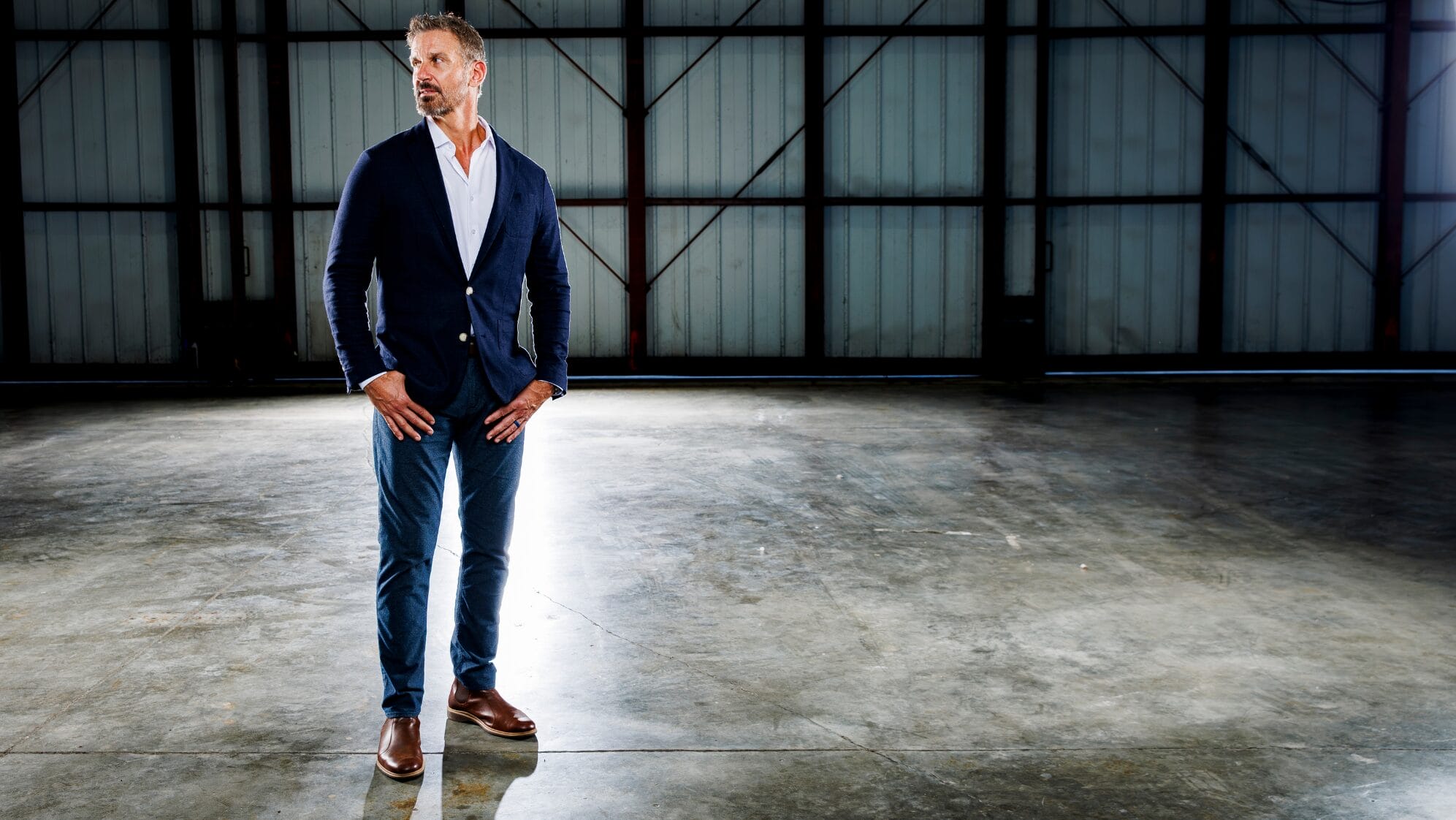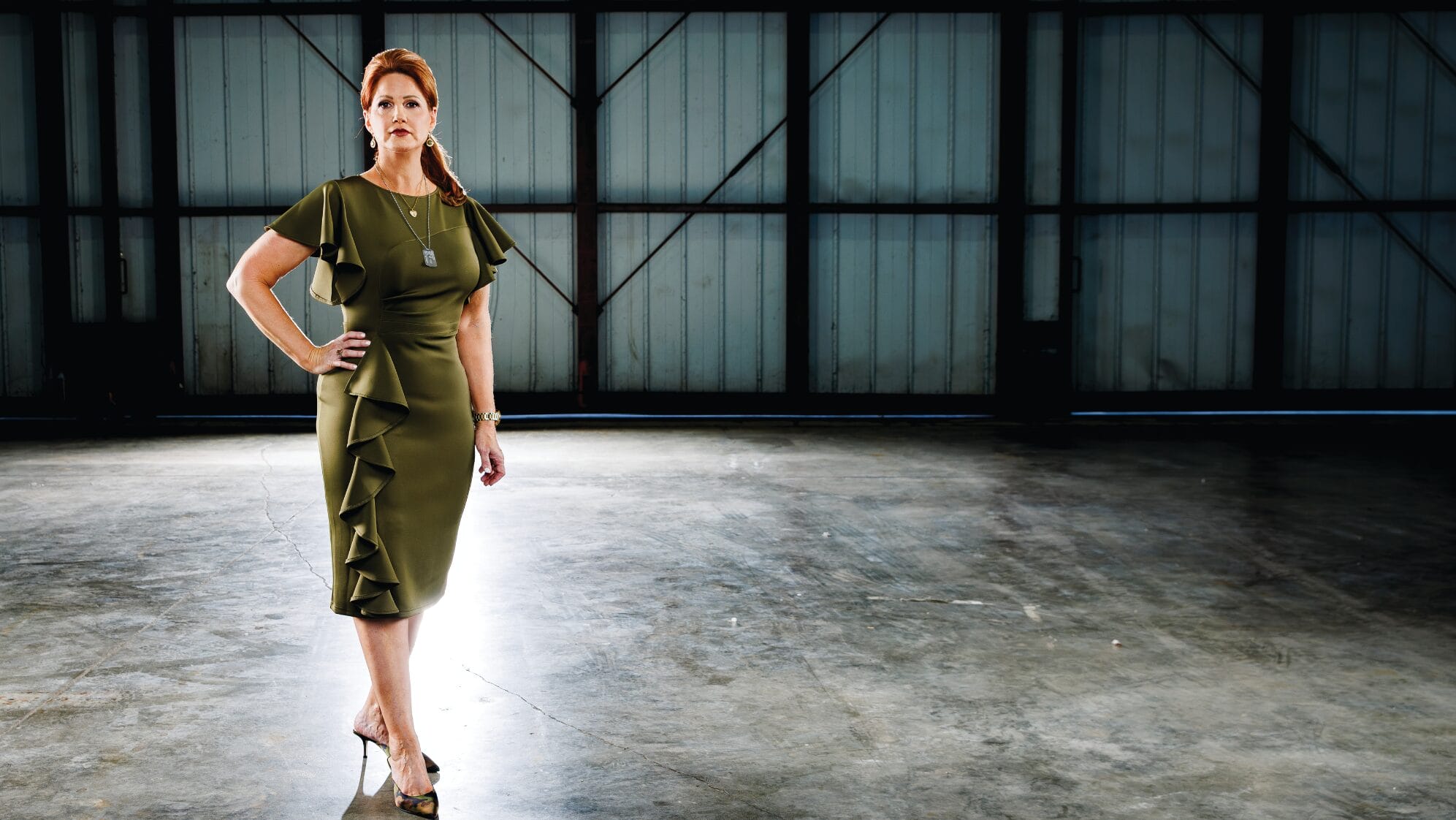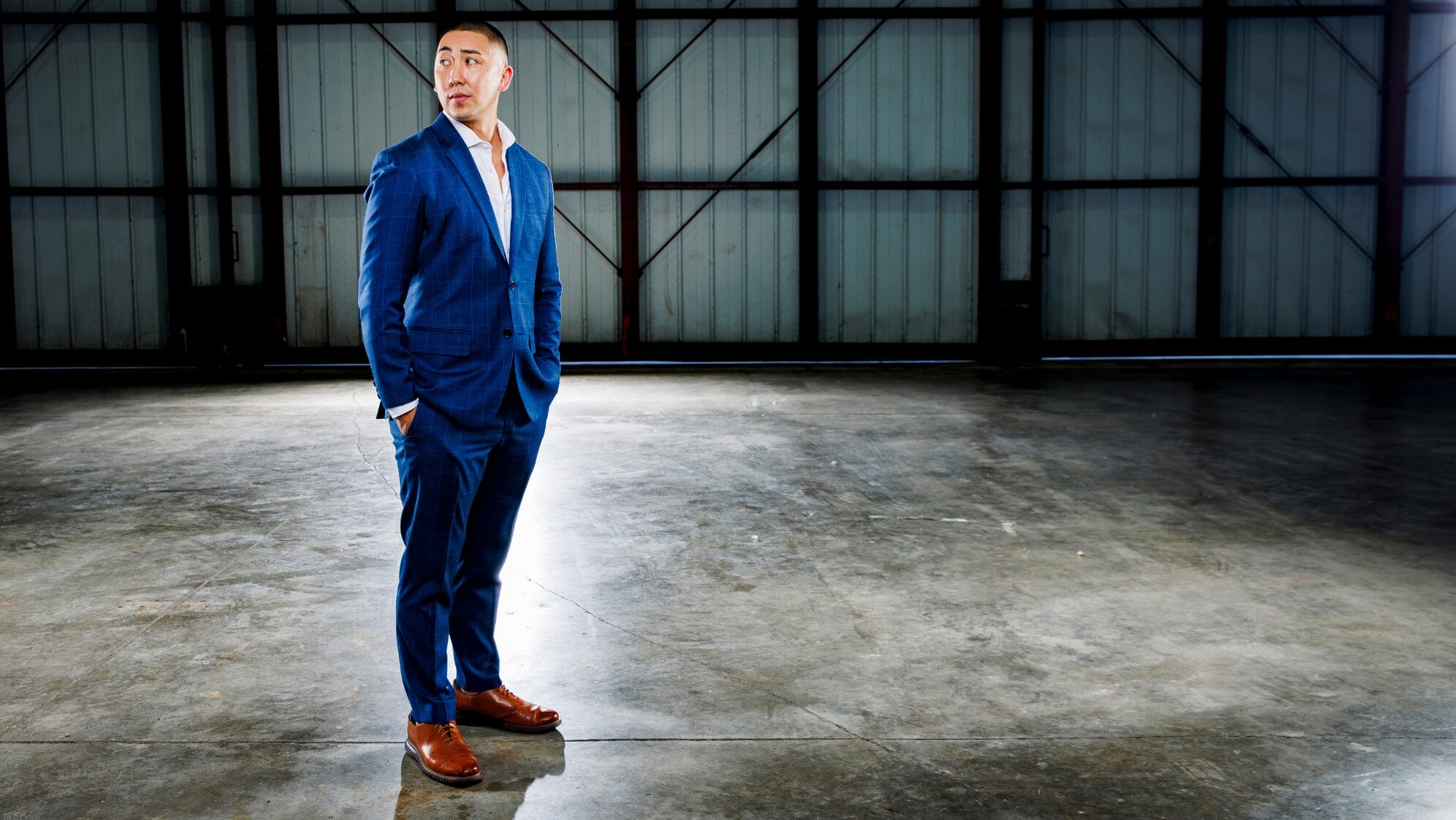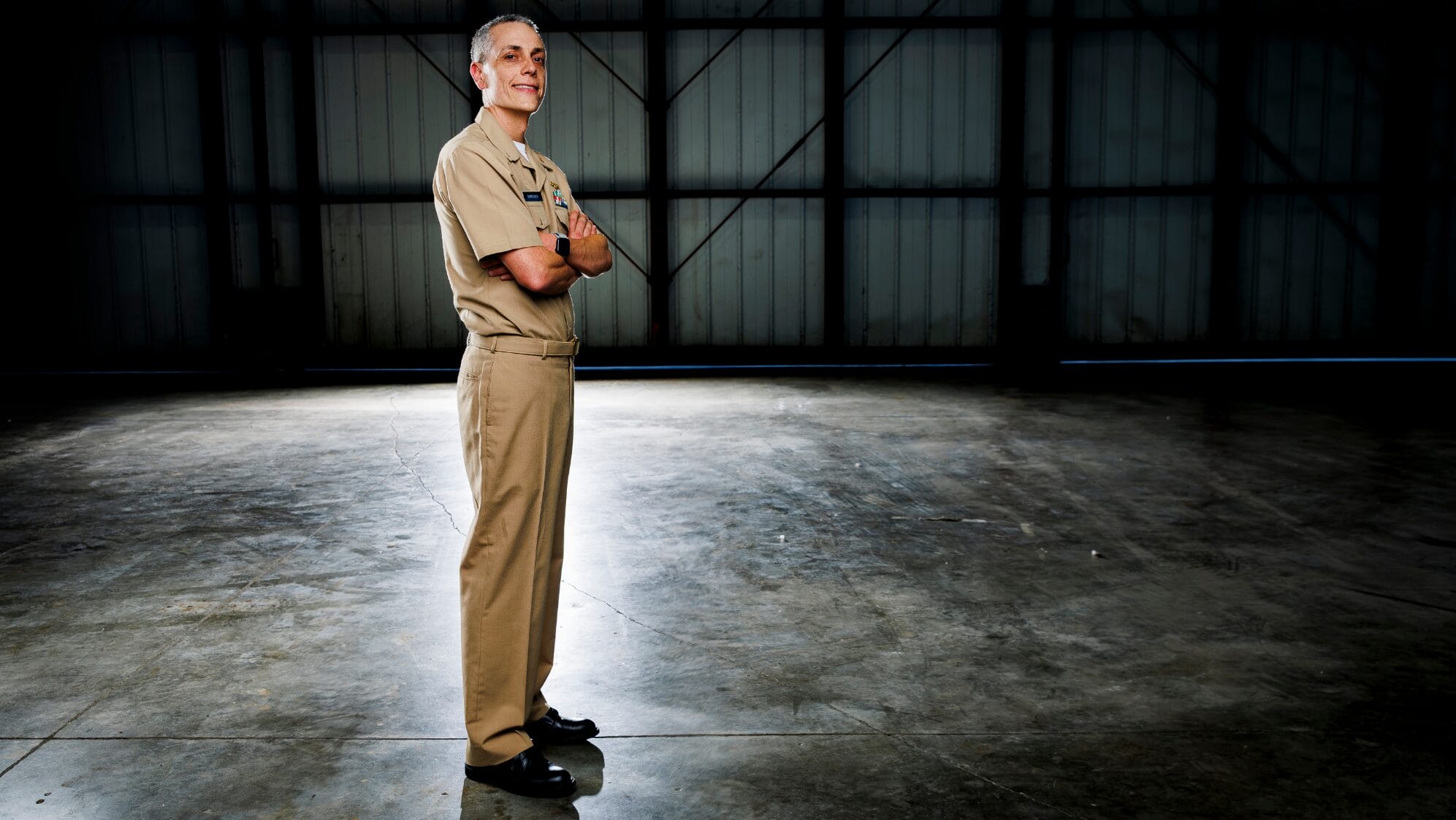

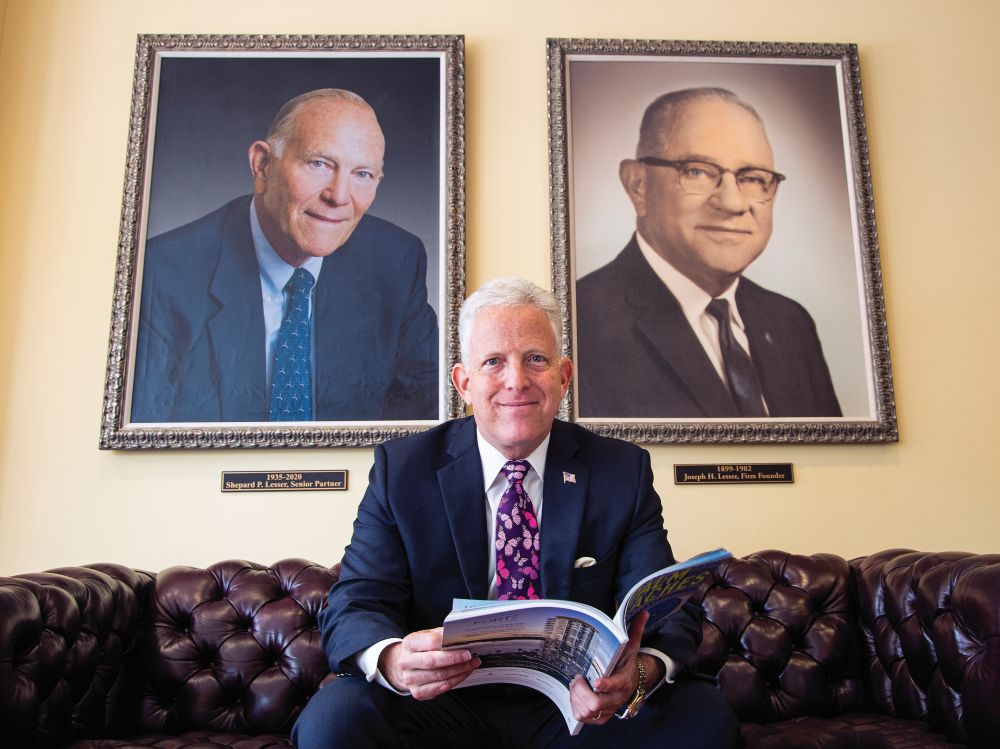
For three generations, Lesser, Landy, Smith & Siegel has built its reputation as one of the leading Florida injury law firms by providing exceptional client communication and stron results. The firm, which will celebrate its centennial year in 2027, has the trust of the clients, community members, and attorneys it serves. With offices in Boca Raton, Bradenton, Broward, West Palm Beach, and Stuart, the firm has grown entirely through referrals.
As managing partner, philanthropist, and past Florida Bar president, Gary Lesser shares his insights on how his firm stays relevant and how it balances growth with boutique-level client service.
SFBW: What has allowed Lesser, Landy, Smith & Siegel to stay relevant and continue growing across generations?
Gary Lesser: It starts with strong results and communication. For decades, our lawyers have helped injured clients and their families throughout Florida. We hire lawyers who genuinely care about their clients, work collaboratively and keep clients informed. Putting clients first has guided the firm for 99 years. So has service. From my grandfather’s time through today, our lawyers have led charitable, civic and legal organizations. Giving back is part of our culture.
SFBW: As Florida Bar president from 2022 to 2023, what perspective did that role give you on the future of Florida’s legal industry—and how has it influenced the way you lead your firm today?
GL: After 25 years of Florida Bar service, traveling the state and meeting lawyers in every type of practice gave me a broader understanding of the profession. It made me focus on making our firm the best version of itself. We have increased our legal support staff and invested in technology, while leaning into the values that distinguish us. Our lawyers speak directly with clients, and almost all of our cases come through referrals rather than advertising. Our goal is not the greatest number of cases, but rather to get connected with injured clients who really need our help and to get the best results for them.
SFBW: Personal injury law is often misunderstood. How do you define your firm’s mission today, and what does “client advocacy” look like at the highest level?
GL: Client advocacy begins with putting the client first. A serious injury can affect someone’s work, independence, family, and emotional well-being. It’s the lawyer’s job to know the case and to know the client and to fight for the best result possible. That can’t happen without all the facts and a very strong attorney-client relationship. We are advocates, but we are also counselors who guide clients through a really difficult time.
SFBW: You mentioned the firm has already built a sizable Broward caseload—what types of cases are most common there, and how does that compare to Palm Beach or Treasure Coast trends? (And can we just firm this up for all of South Florida and skip the How does this compare to Palm Beach and Treasure Coast).
GL: Motor vehicle cases remain a significant part of our work, including car, trucking and golf cart accidents. We also handle catastrophic injury, wrongful death, medical malpractice, premises liability and contingency business litigation. South Florida’s continued population and business growth means more people, traffic and commercial activity, which has increased the number and complexity of cases throughout the area.
SFBW: With major cases involving catastrophic injuries, wrongful death, and negligence, how do you balance growth with maintaining a boutique-level client experience?
GL: We were a very small law firm with three or four lawyers at the most, for many years. Now we have 13 lawyers and are still actively interviewing and expanding. Servicing the client to get the best result on the case is the number one priority. At least two lawyers collaborate on every case, and our attorneys are directly available to clients and their families. That personal involvement allows us to grow while preserving the responsiveness and care of a boutique firm.