
Demand remains strong across South Florida, but rising costs, stalled deals, and execution challenges are reshaping how projects move from concept to completion
South Florida’s construction market is not slowing down. It is recalibrating.
Across the region, pipelines remain active, driven by population growth, corporate migration, and sustained investment. Yet beneath that momentum, a more complex reality is taking shape. Projects are not disappearing. They are hesitating.
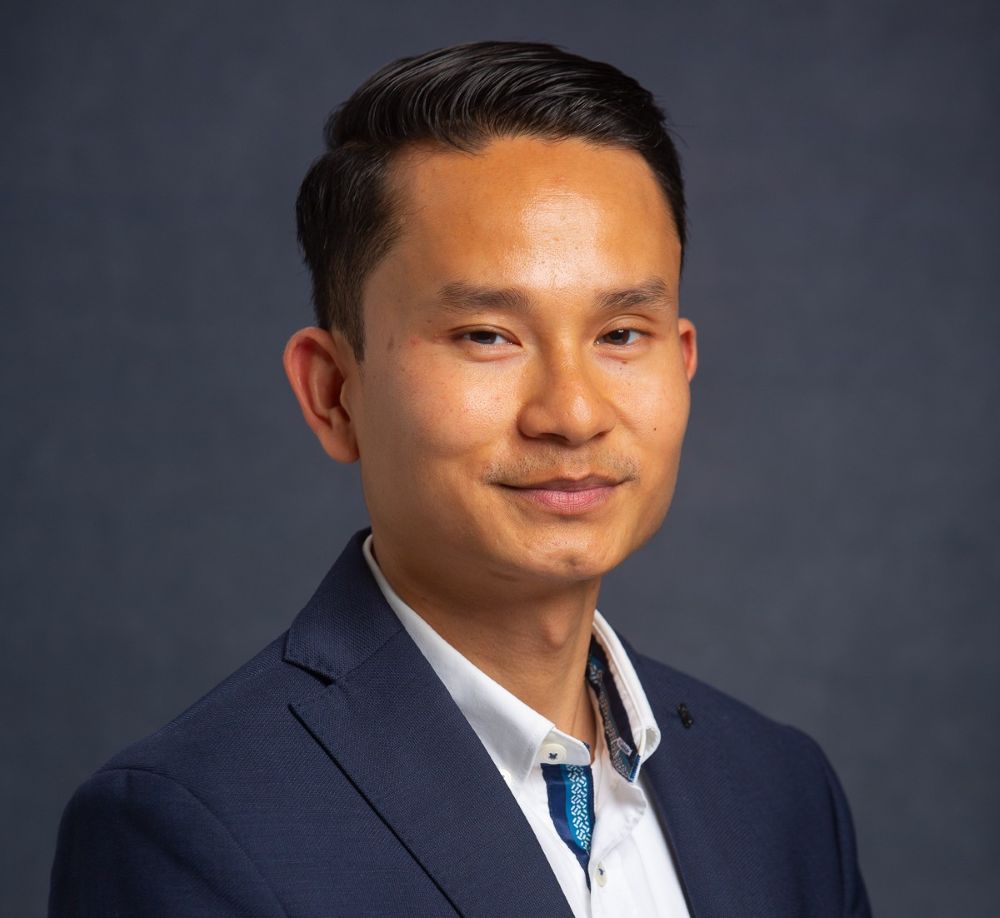
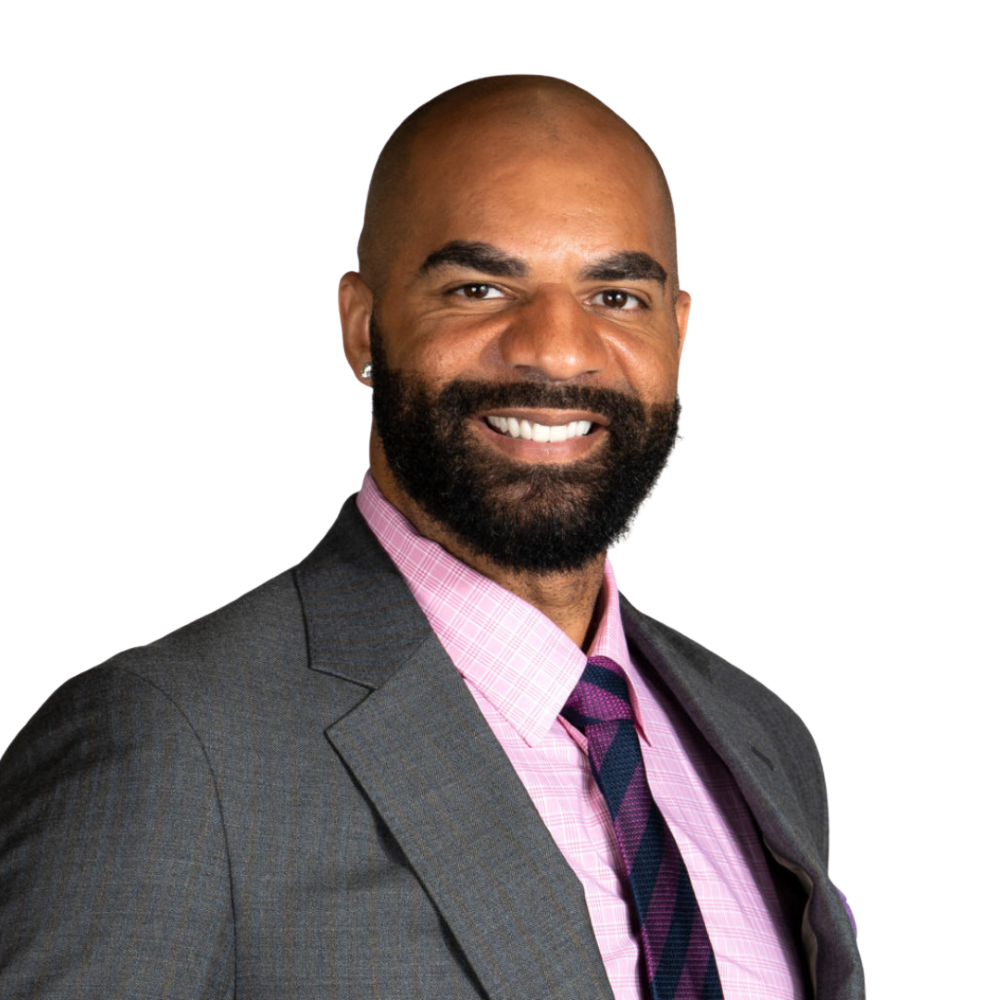
“Demand feels high, but new deals aren’t closing,” says Rafael Reyes, president of U.S. Construction Corp. “We are seeing a lot of projects on the horizon and in the bidding phase, but clients aren’t moving forward because costs are too high.”
Reyes has spent more than two decades navigating these cycles. From Coral Gables, he oversees finance, operations, and strategy while remaining closely involved in the firm’s most complex projects across industrial facilities, restaurants, retail, and high-end commercial interiors.
That tension between appetite and execution is defining this cycle. Developers continue to pursue deals across hospitality, mixed-use, and retail, but many are pausing before breaking ground. Rising costs, site constraints, and prolonged permitting timelines are pushing projects into extended value-engineering phases or putting them on hold.
In food and beverage and hospitality, the slowdown is especially visible. “We’re seeing more office interior and residential work, while F&B and hospitality have slowed,” Reyes says. Retail activity, meanwhile, is largely tied to new developments rather than standalone expansion.
Even major initiatives, including the planned overhaul of concessions and retail at Miami International Airport, remain in early design stages, underscoring how long the path to execution has become.
At the same time, a quieter segment is accelerating. “In this cycle, we’re also seeing more HOA repair, maintenance and renovation work than ever before,” Reyes says, pointing to aging buildings and increased regulatory pressure.
The shift is not only about what is being built, but how.
The traditional design-bid-build model is losing ground, increasingly viewed as a race to the lowest price. In its place, a more collaborative approach is emerging.
“You need to expand beyond traditional design-bid-build,” Reyes says. “Contractors need to provide more preconstruction and design assist services to become a partner in the development process.”
That evolution is redefining the contractor’s role from executor to advisor, particularly on complex projects where early coordination shapes outcomes. It also raises the bar for entry, favoring firms with specialized expertise.
Challenges remain persistent. Labor shortages, rising insurance costs, and supply chain pressures continue to shape timelines and budgets. The response has shifted toward adaptability.
“Costs are high across the board, including skilled labor, insurance and much more, and you have to plan accordingly and explain these costs to the customer,” Reyes says. “Successful execution is less about forcing schedules and more about anticipating constraints, aligning teams early and maintaining flexibility.”
That emphasis on execution has become a defining theme. Financing, while still relevant, is no longer the primary concern for many developers.
“There is plenty of investment capital in the market, but execution, operations and asset management are more important than financing,” Reyes says. “Understanding what the client really needs and focusing on execution is everything.”
Within this environment, firms are rethinking growth. Diversification is no longer optional.
“Our expansion into select luxury residential and new commercial and industrial sectors builds on where we already create the most value,” Reyes says. “Complex projects that demand precision, planning and focused execution.”
At the core, however, the business remains relational.
“We are a relationship-driven builder,” Reyes says. “Success ultimately comes down to trust, alignment and listening to our clients.”
In this cycle, building is not just about breaking ground. It is about navigating what stands in the way.