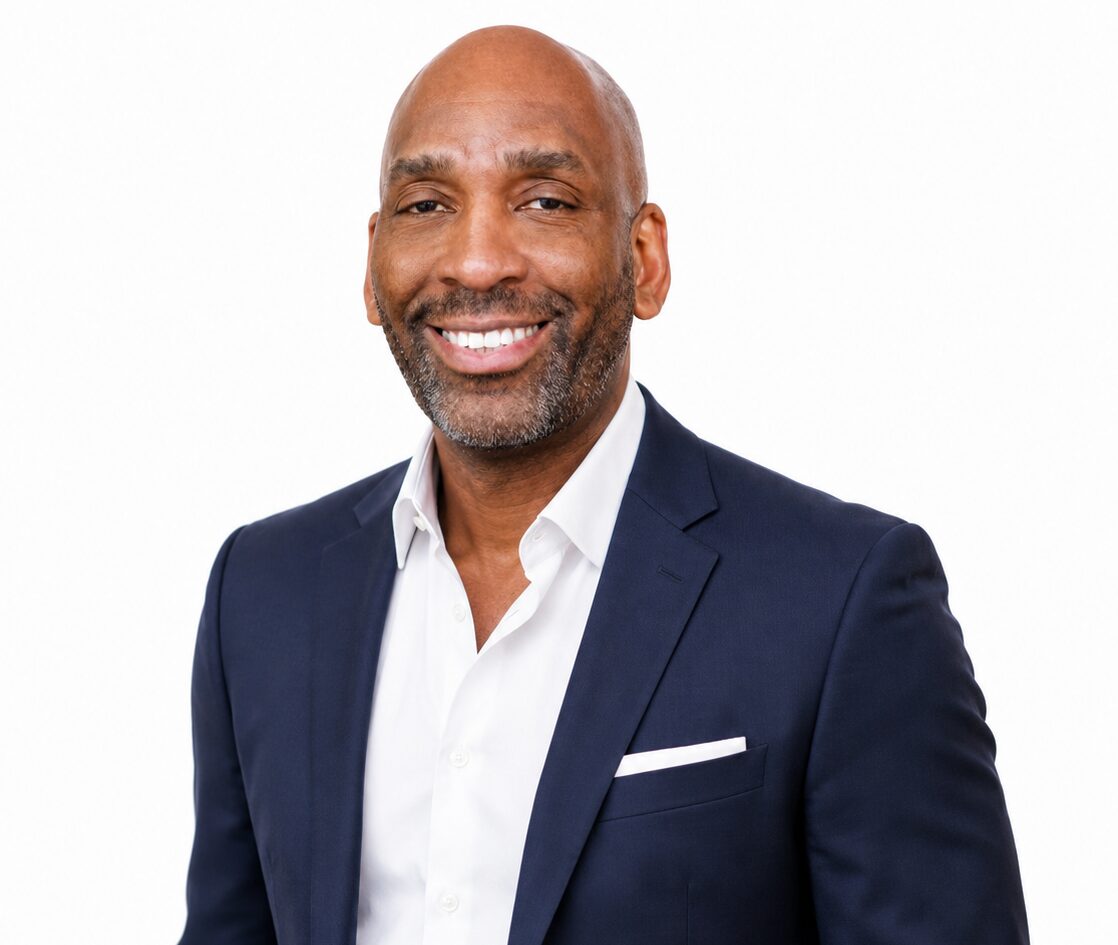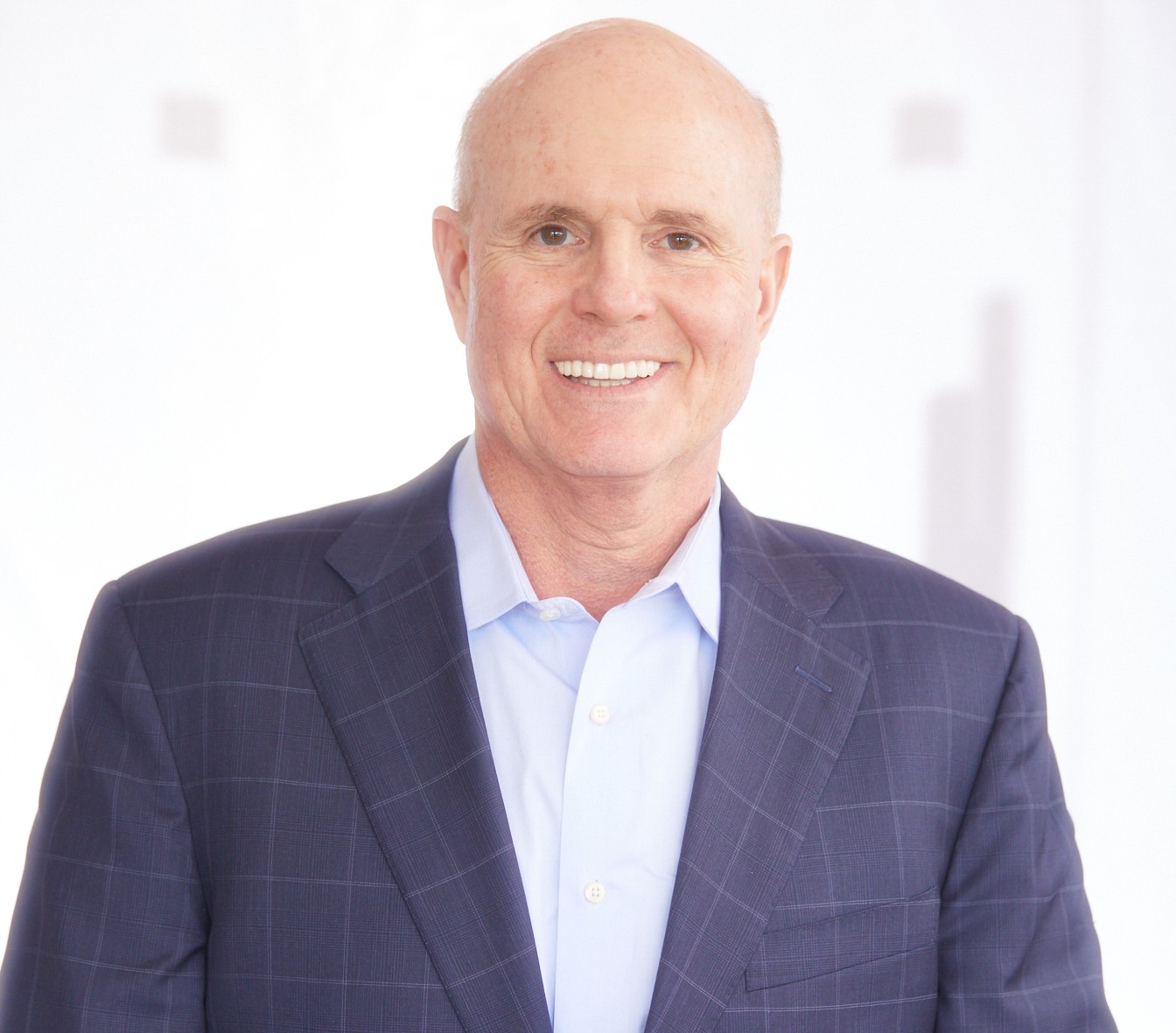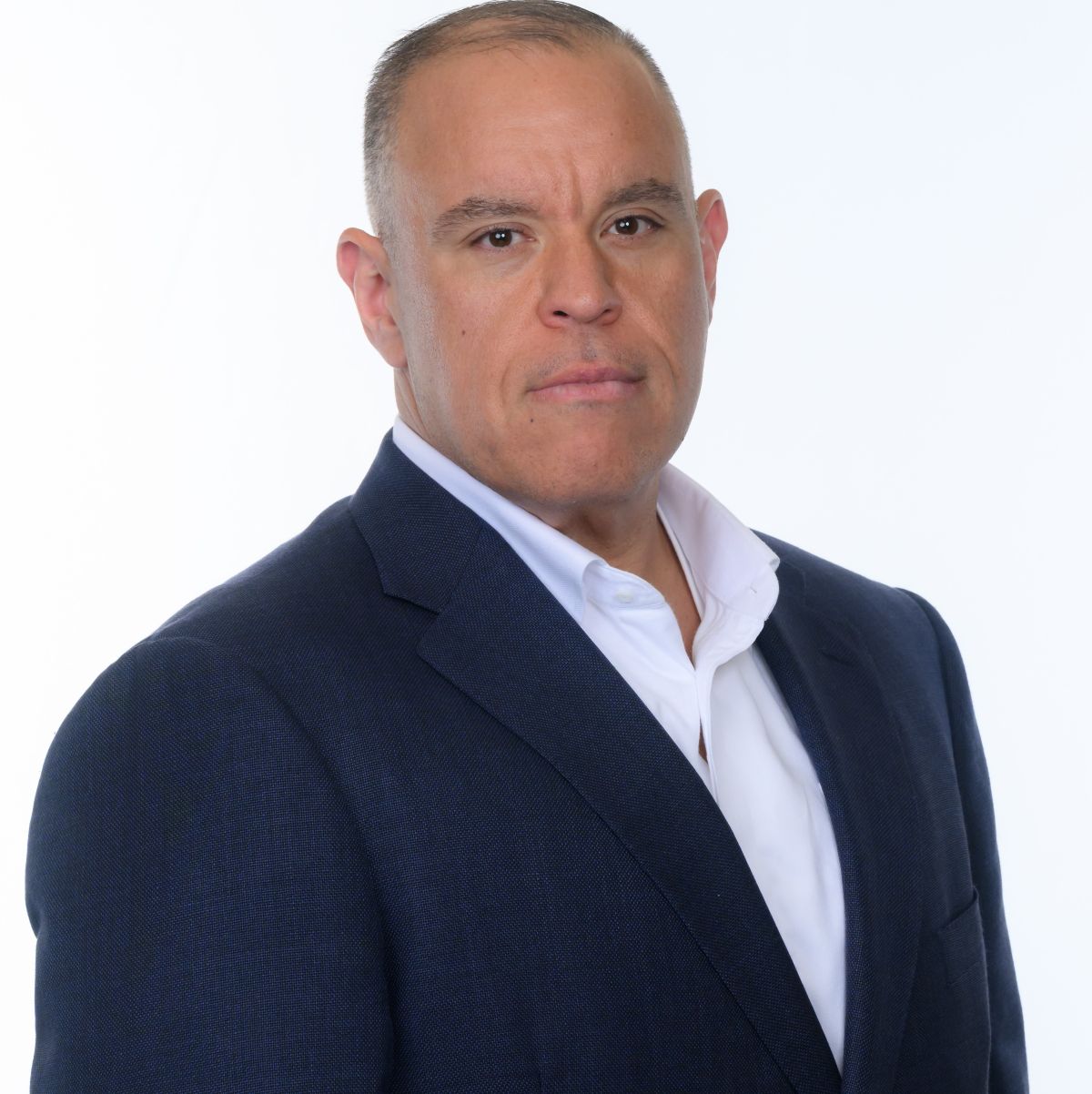

Rocky Steele is Senior Vice President of Business Development at Trucordia, where he leads strategic growth initiatives and partnership development across key markets, including Florida. With deep experience in brokerage expansion and integration, Steele focuses on aligning national scale with local expertise to deliver long-term client value.
Q: Florida’s insurance market has become one of the most complex in the country. From Trucordia’s vantage point, what makes Florida strategically important right now—and what risks are national firms underestimating when they enter the state?
A: Florida is both one of the largest and most volatile property markets in the United States, now entering a rare window of stabilization after years of disruption. Legislative reforms have reduced litigation, attracted new capital, and improved profitability, making the state newly attractive to national carriers. But many firms still underestimate the structural, legal, and catastrophe-driven risks that remain deeply embedded in the ecosystem.
Q: You chose to partner with a community-rooted agency rather than build or acquire scale for scale’s sake. What specifically about Florida Insurance signaled that it could grow within a national platform without losing the client trust that made it successful?
A: Florida Insurance, led by Nathan Schirmer, has built a strong reputation for customer service and technical expertise. That foundation signaled it could scale within a national platform without compromising trust. Maintaining the existing team is central to that continuity, ensuring client relationships remain intact while gaining access to broader resources and support.
Q: Consolidation often promises efficiency but can dilute service. How does Trucordia protect local decision-making and client relationships while still delivering the benefits of a larger network?
A: The model keeps operational leadership and client relationships in the hands of the local team, while centralizing functions such as finance, technology, HR, legal, licensing, marketing, tax, and business intelligence. This structure enhances capability without sacrificing responsiveness or local decision-making.
Q: Many independent agencies fear that M&A means cultural erosion. What does Trucordia look for in leadership, culture, and operating philosophy before moving forward with a partnership?
A: Cultural alignment is the starting point. The focus is on partners who naturally operate with shared values—integrity, collaboration, accountability, and a results-driven mindset. When that alignment exists, the partnership can concentrate on growth, with the agency continuing to operate as it always has, now supported by additional resources.
Q: Florida businesses—from real estate developers to healthcare providers—are facing rising premiums and fewer coverage options. How does greater scale help Trucordia advocate for clients in a market where leverage increasingly matters?
A: Florida’s commercial insurance market has become a leverage-driven environment. Carriers are tightening underwriting, rationing capacity, and increasing premiums across sectors. Scale allows Trucordia to counterbalance that dynamic, giving clients stronger positioning through aggregated buying power, data insights, and enhanced market access.
Q: You’ve spoken about “high-touch service” as a competitive advantage. At a certain size, how do you operationalize that without turning it into a buzzword?
A: It begins with culture. High-touch service is sustained by investing in people, empowering local teams to make decisions, and maintaining accountability across the organization. The goal is consistency—ensuring every client interaction reflects the same level of care and attention.
Q: What misconceptions do business owners have about large brokerage platforms right now? Where do you think the industry has failed to communicate its value clearly?
A: There is a persistent belief that larger platforms are slower, less personal, and more transactional. Some assume they focus only on national accounts or that scale benefits the broker more than the client. The industry has not always clearly communicated how scale translates into better outcomes, particularly in areas like claims, analytics, and benchmarking, and has often overlooked the importance of trust and continuity.
Q: As consolidation accelerates, what role do you see regional agencies playing five years from now? Do you believe true independents can still survive, or will the model continue to evolve?
A: Regional agencies will remain important, though their role will evolve. Many will become more specialized, focusing on niche expertise while integrating into larger networks for scale. The middle market will become increasingly competitive, and agencies that adapt will continue to thrive.
Q: Looking ahead, what macro trends will most impact insurance brokerage growth?
A: Strategic M&A will continue to shape the landscape, alongside gradually improving market conditions and the integration of AI-driven tools that modernize operations and client service. Regulatory shifts and evolving client expectations will also influence how brokers compete and deliver value.

Q: For founders and executives considering selling or partnering with a larger platform, what questions should they be asking to ensure the deal strengthens—not compromises—their legacy?
A: The decision comes down to three questions: Is it good for your family? Is it good for your employees? And is it good for your clients? If the answer to all three is yes, the partnership is likely aligned with long-term success.