
A few months back, I was contacted by April Klimley, a financial writer who had relocated from New York City to Delray Beach.
With a background of working for major banks in New York and writing for an array of financial publications, she was rapidly scoping out the size of the financial services industry in South Florida. There were starting to be a lot of blips on my radar about hedge funds and other alternative investment companies moving here, so we agreed that there was a need for an in-depth article that would really explore the topic.
The result is this issue’s cover story, which is the most exhaustively sourced article in the history of SFBW. Klimley found that financial services is more than an economic development pipe dream—it’s an established trend. The numbers are still a bit hard to nail down, though, with estimates of hedge funds here ranging from 50 to 300, depending on whom you ask.
I think the numbers can be difficult to estimate, because it’s easy for a hedge fund manager to sit by the pool in South Florida and still be electronically tethered to the home office in New York or Greenwich, Connecticut.
Perhaps the most encouraging sign in the trend is that professional services companies, such as law and accounting firms, are moving talent into the area to help support the alternative investment community. What’s being created is an ecosystem of support and a talent pool that will make it easier for more companies to either relocate, which has happened in a few instances, or establish satellite offices, which is the common first step.
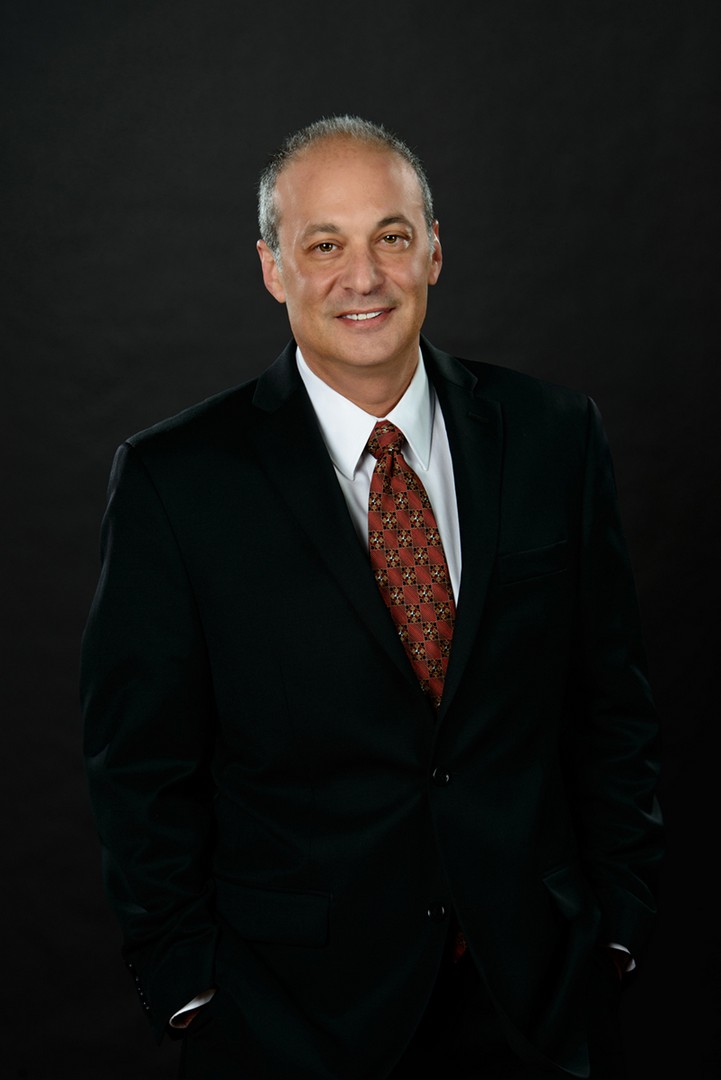
To help represent the trend, we picked Michael Corcelli of the Alternative Investment Association for this month’s cover. I had a chance to meet Michael about six months ago in his Brickell Avenue area office. He is the founder and manager of Alexander Alternative Capital, which was ranked by Bloomberg in the 96th percentile out of 973 hedge funds. Michael founded the Florida Alternative Investment Association and has seen a doubling of membership, to 200, in the past three years. He also played a key role in the Florida State Board of Administration doubling its use of alternative investments from 10 to 15 percent of its portfolio, freeing up about $15 billion of new capital for AI companies.
Correction
The last name of Mike Linder, owner and CEO of Silver Lining Inflight Catering, was incorrect in a photo caption and headline in February’s “CEO Connect” article.