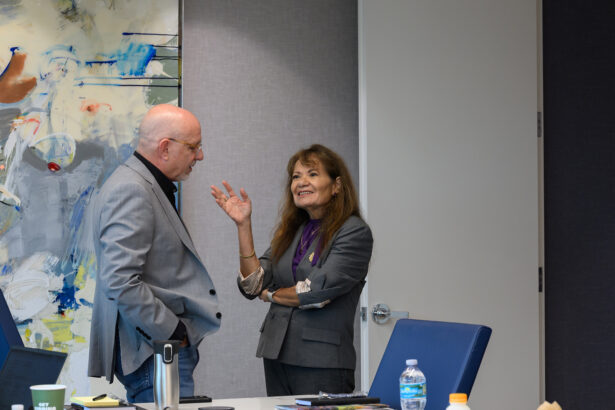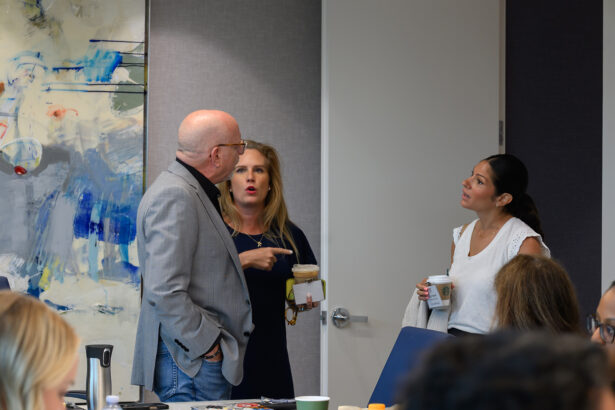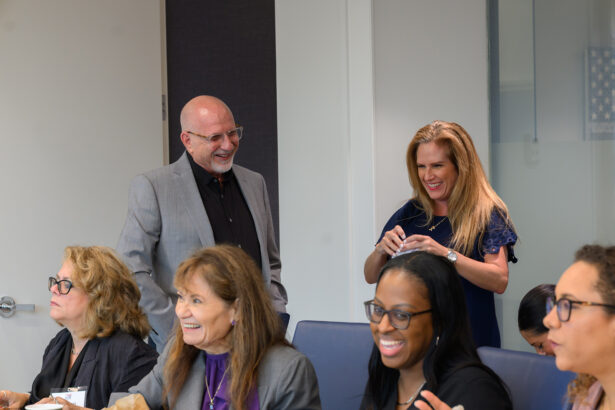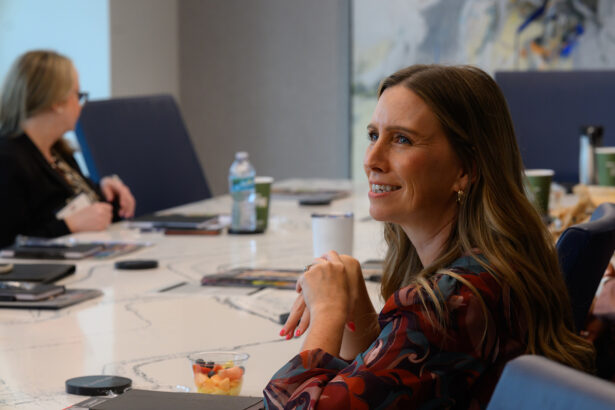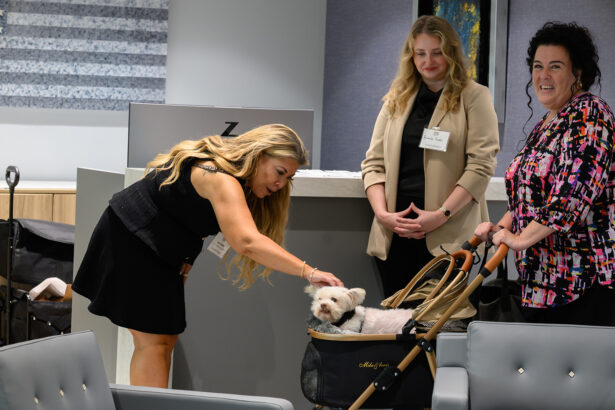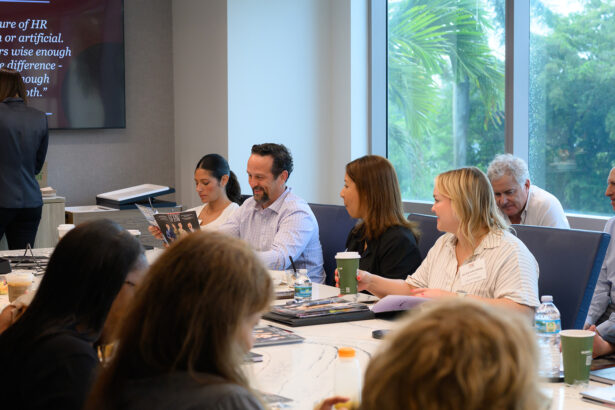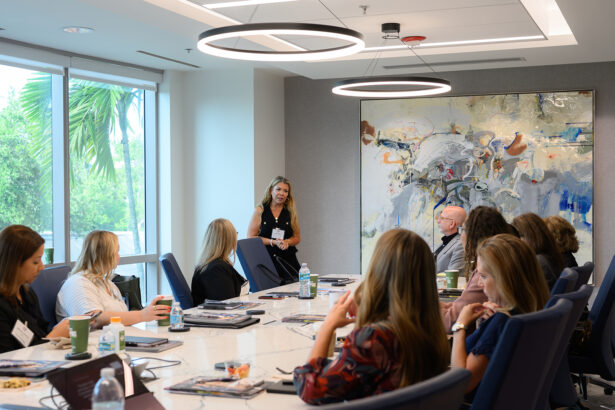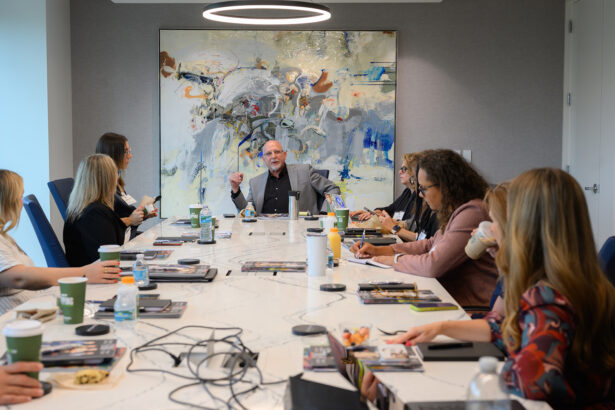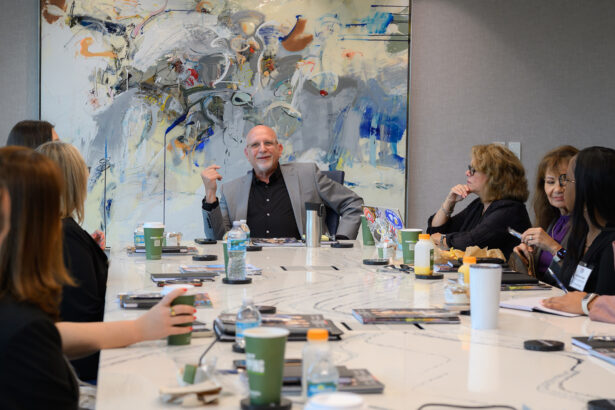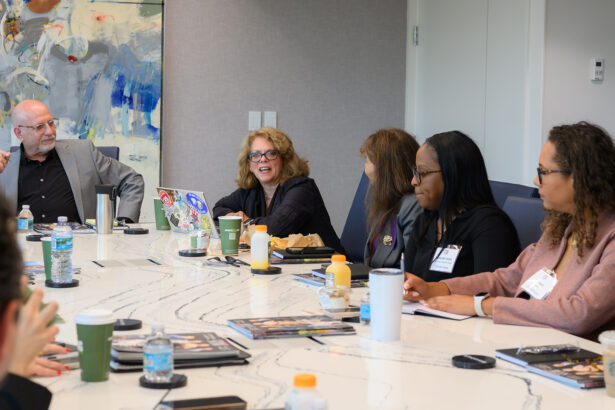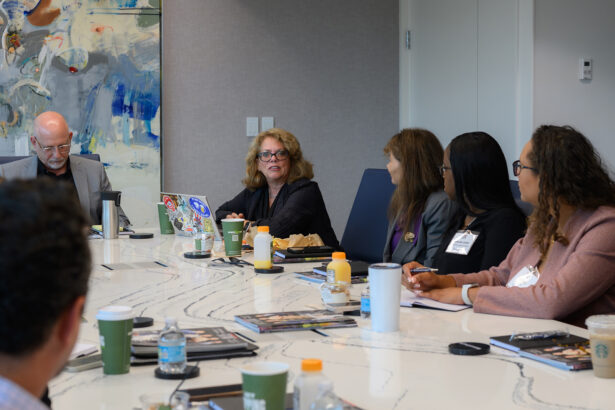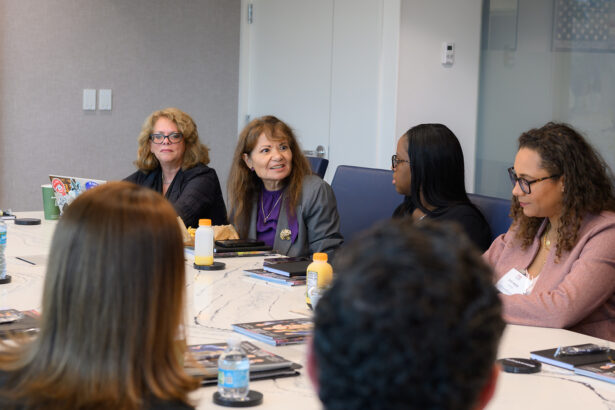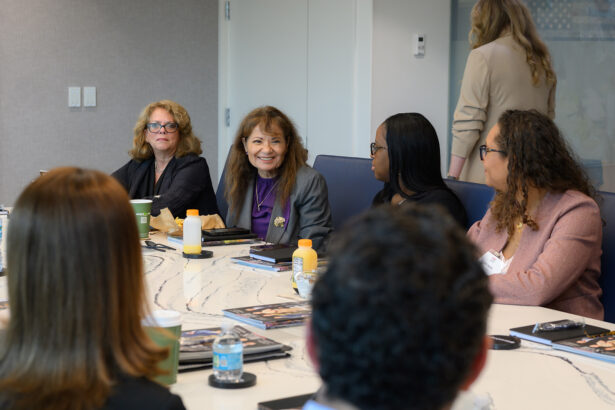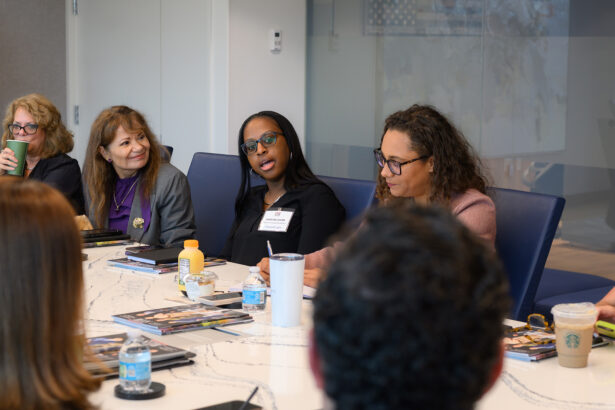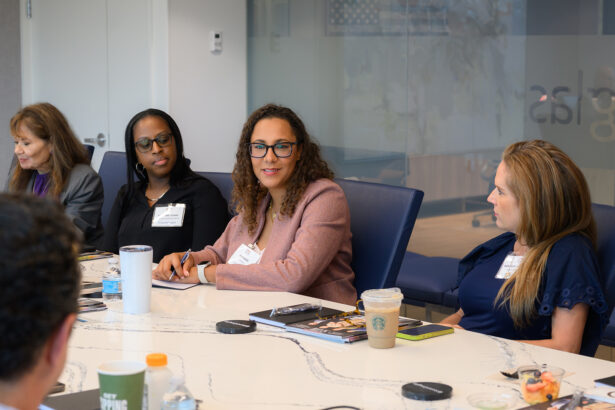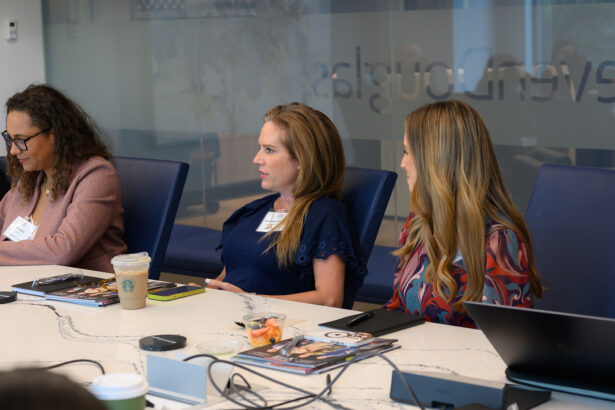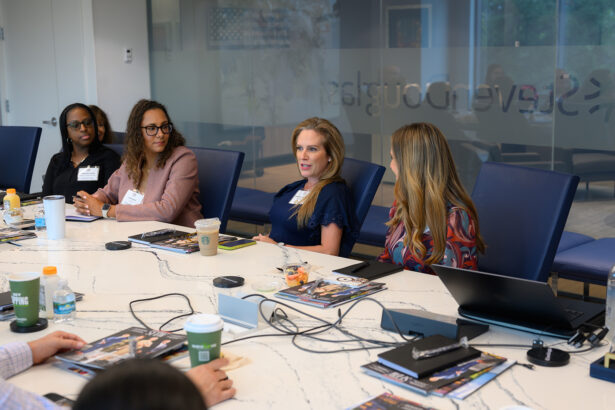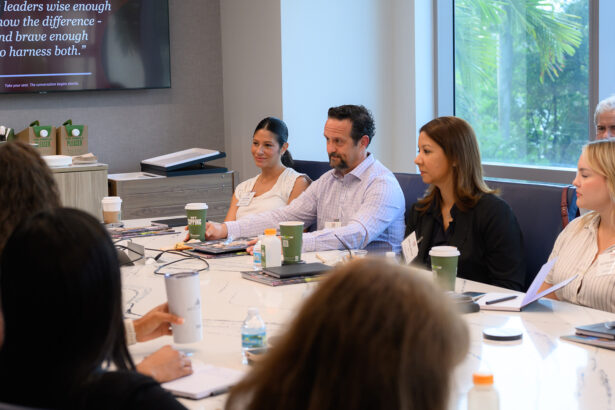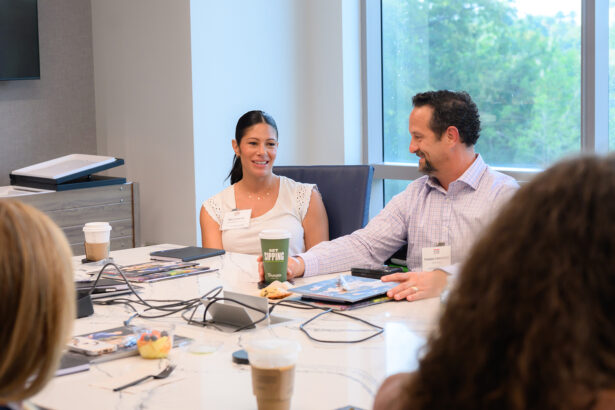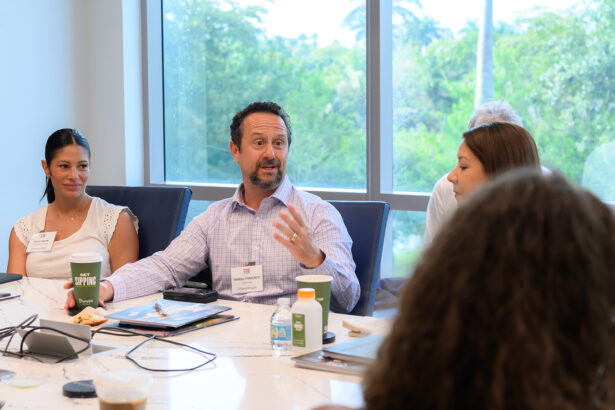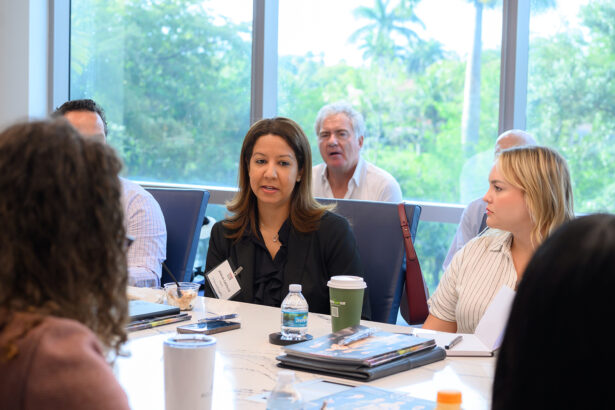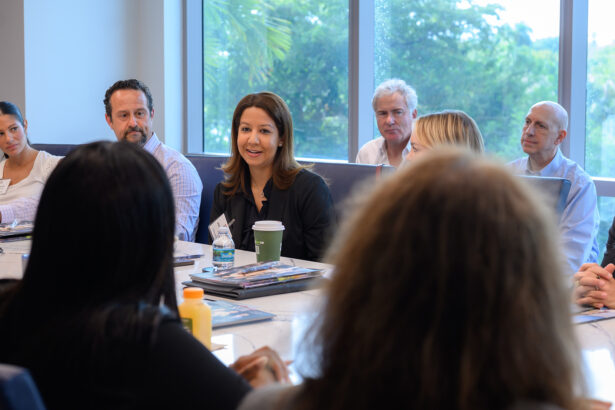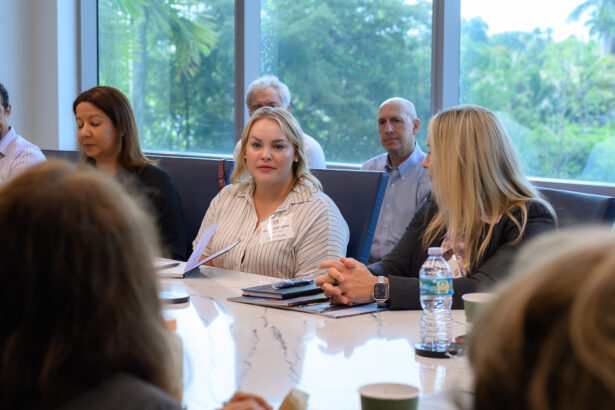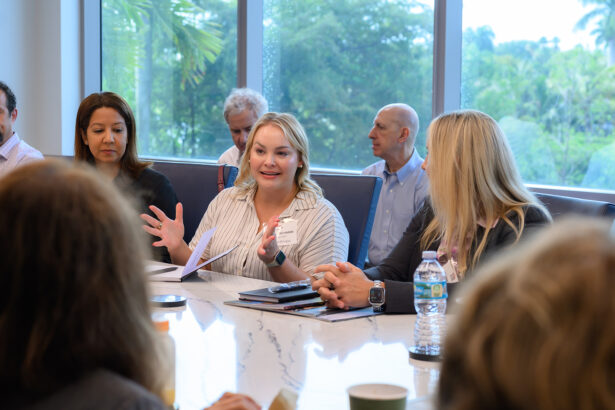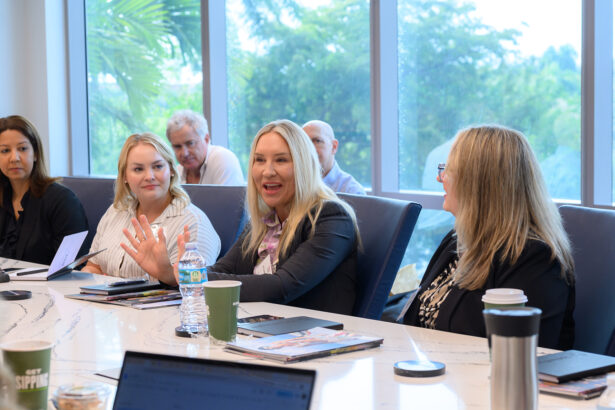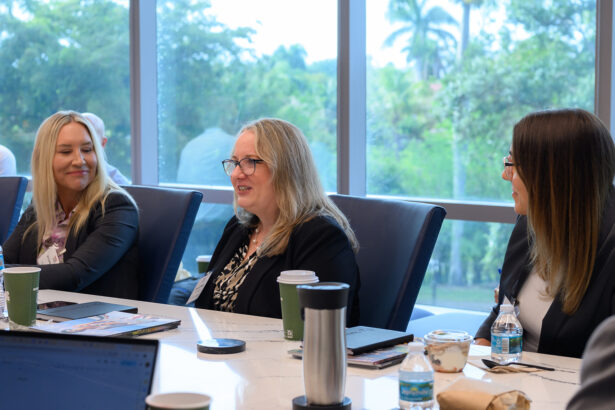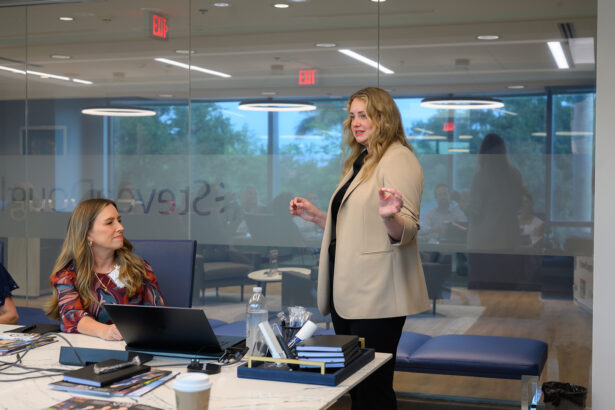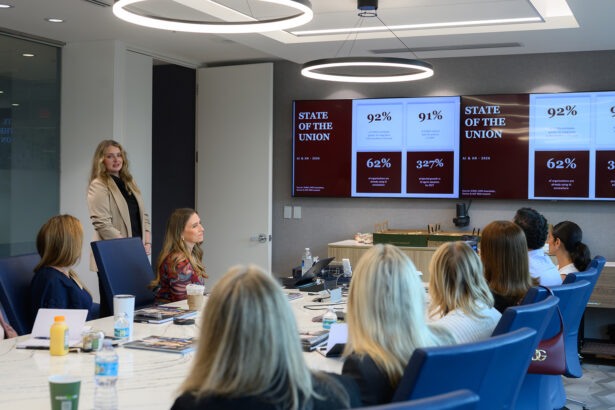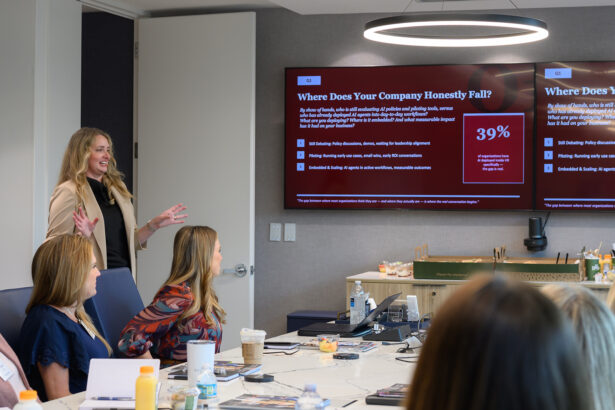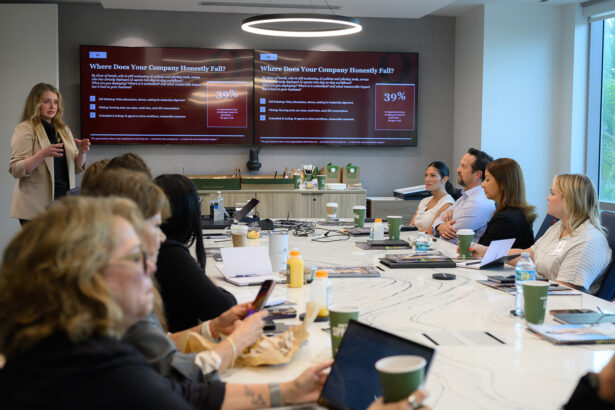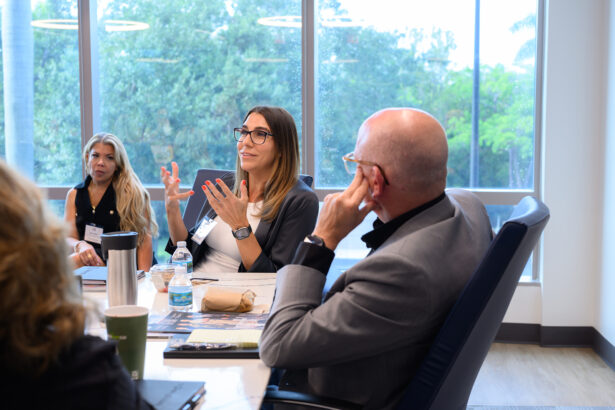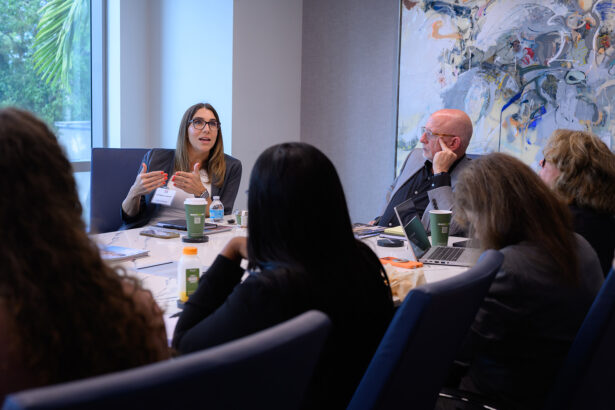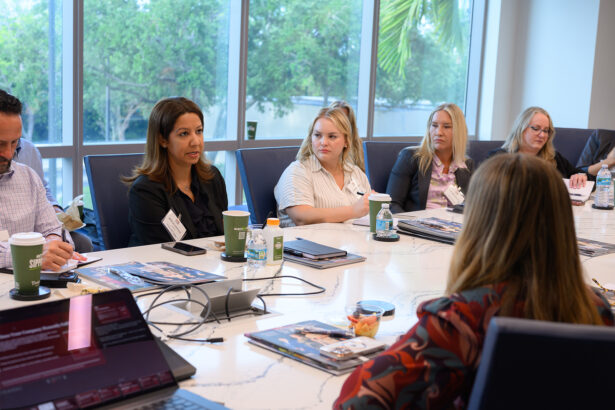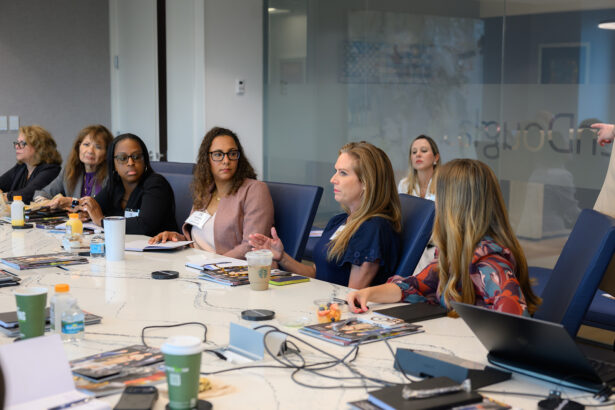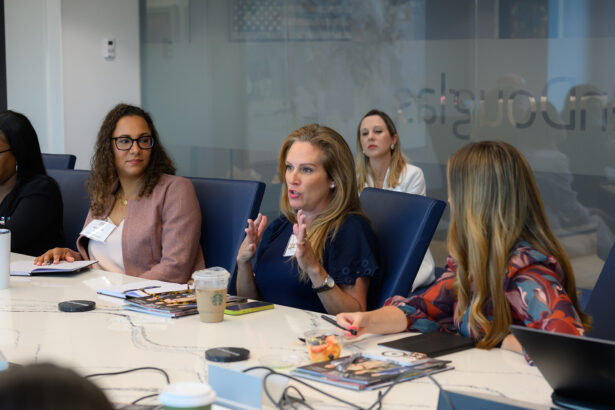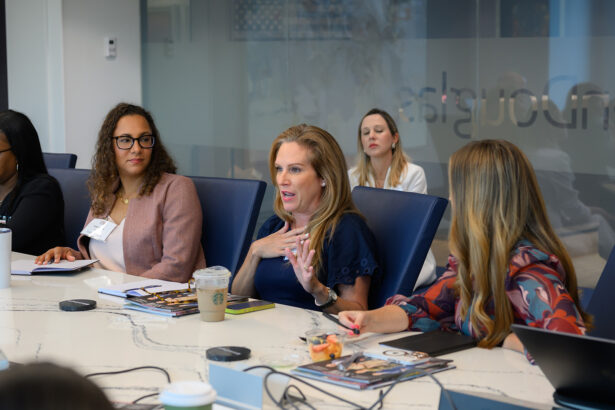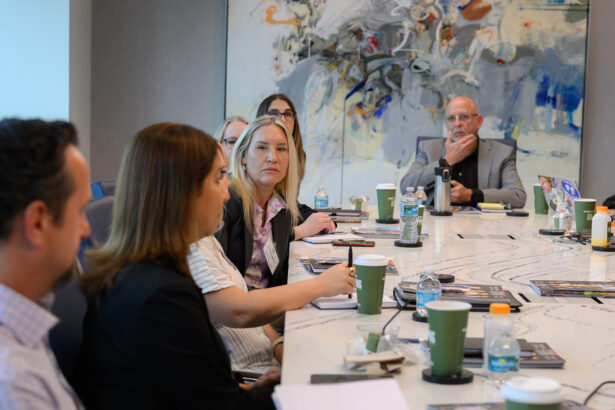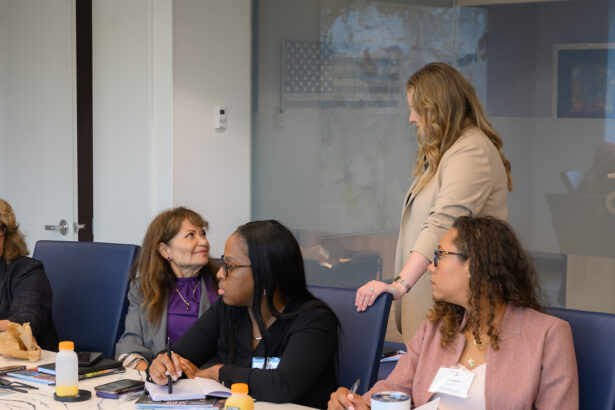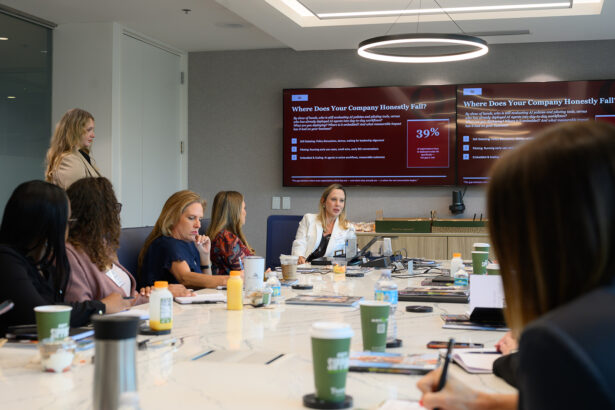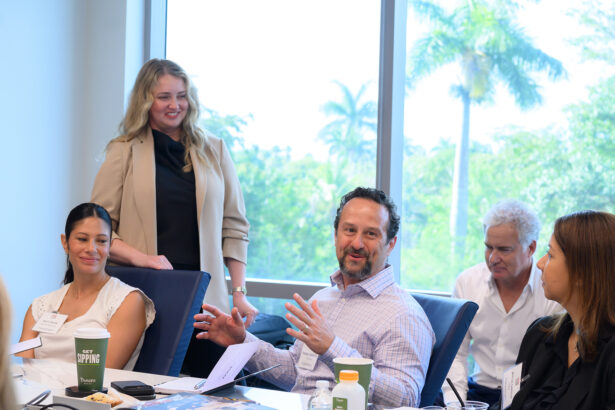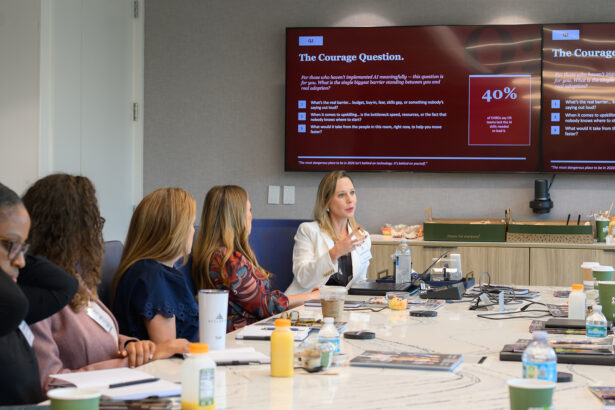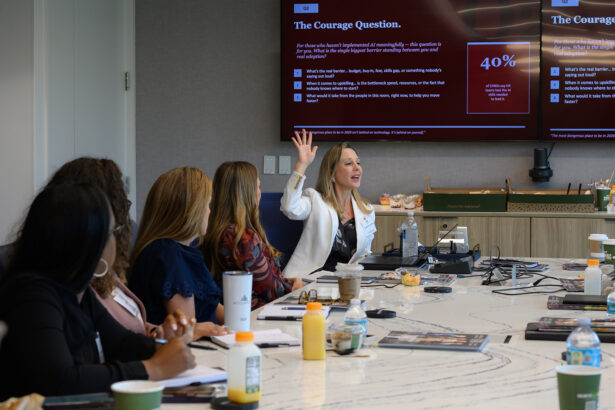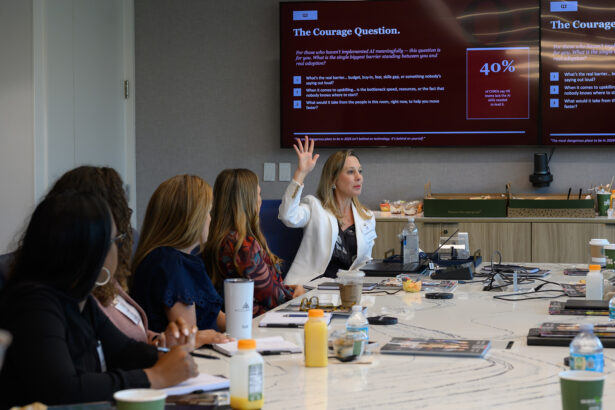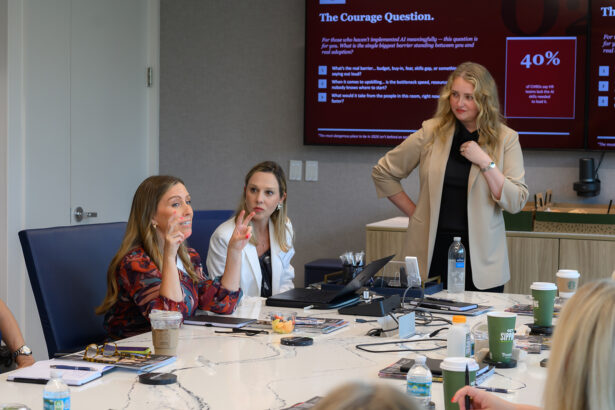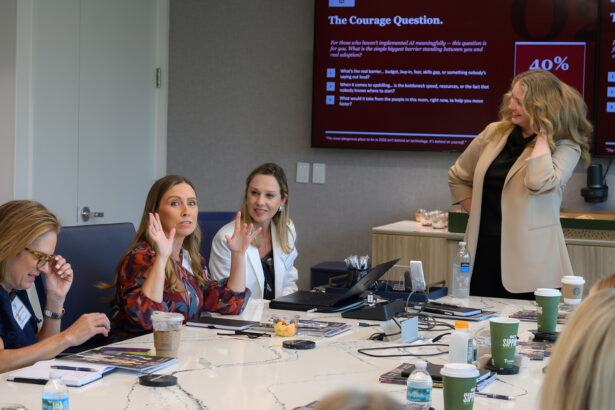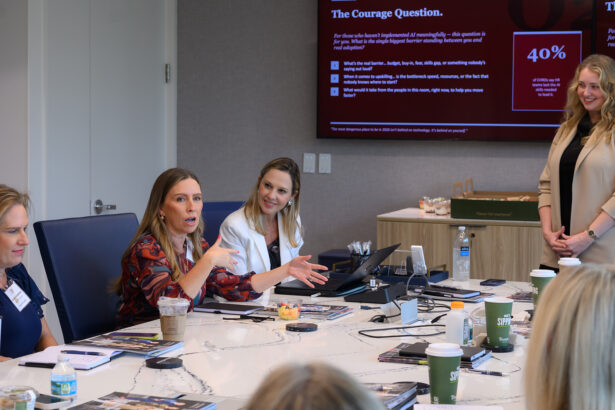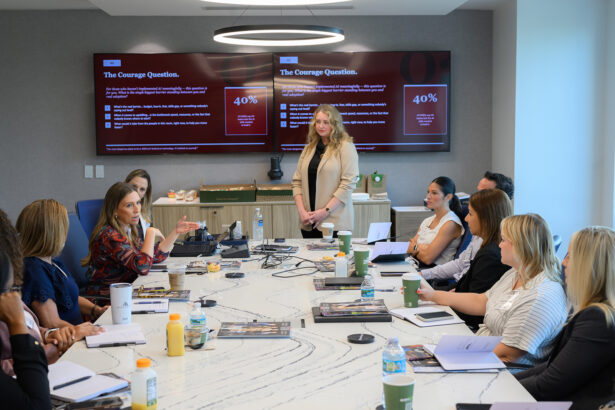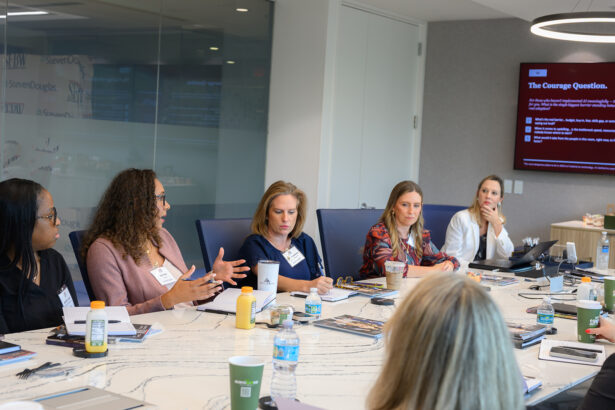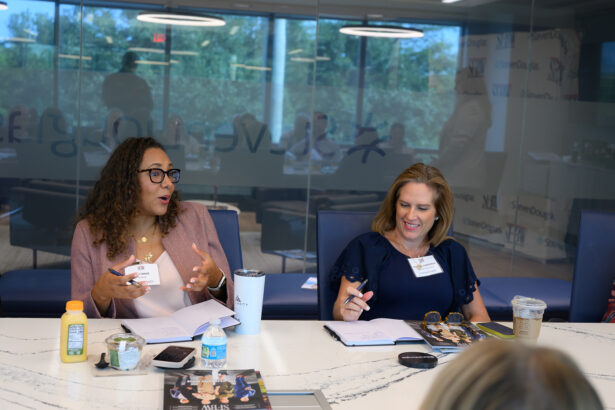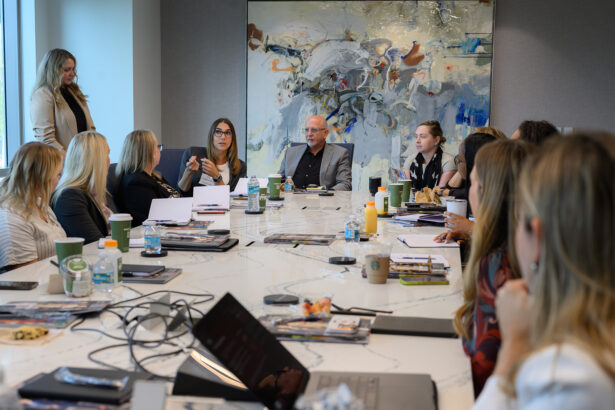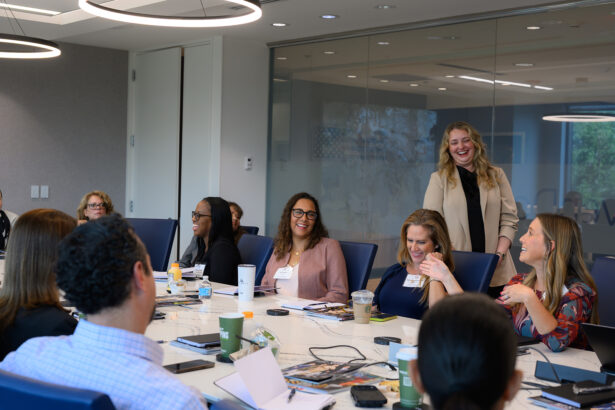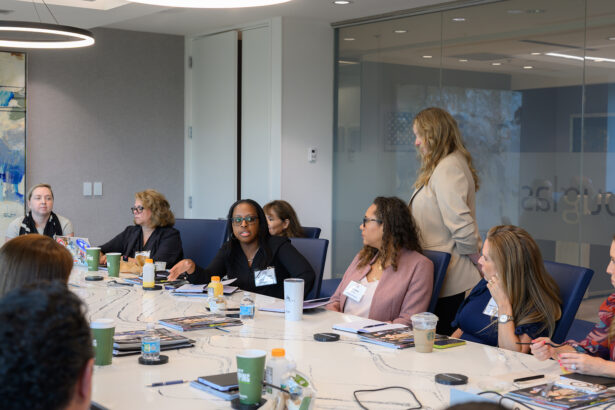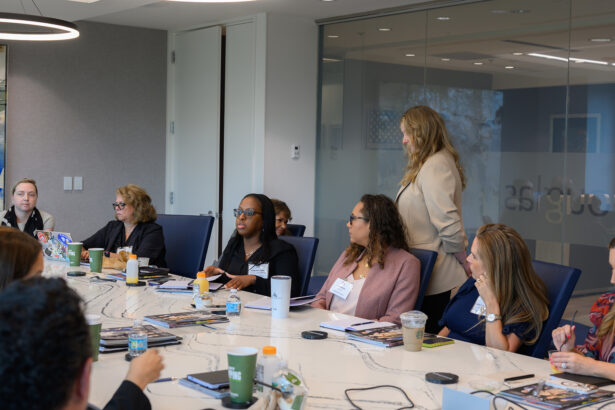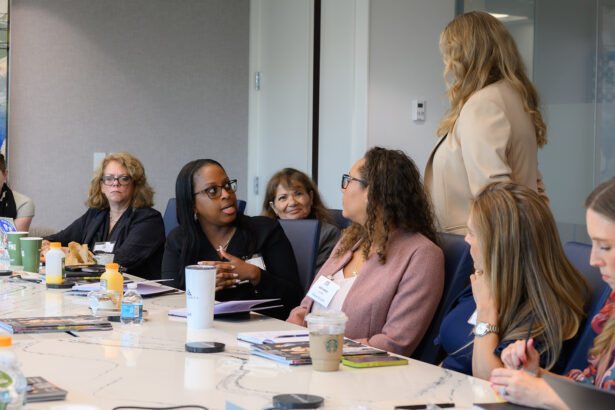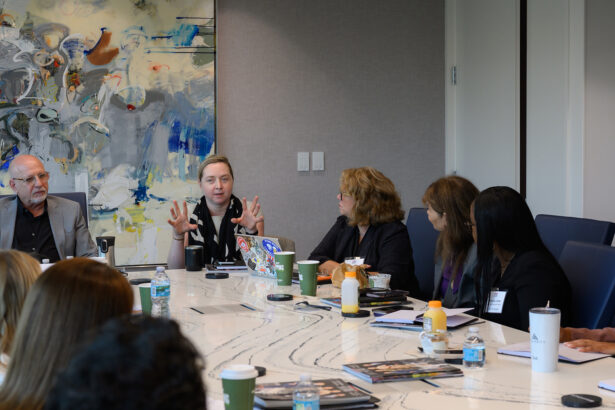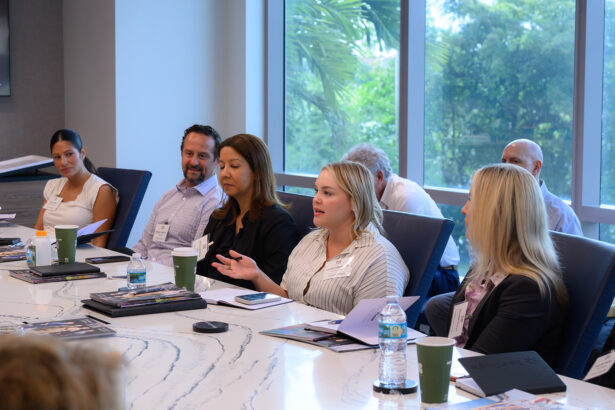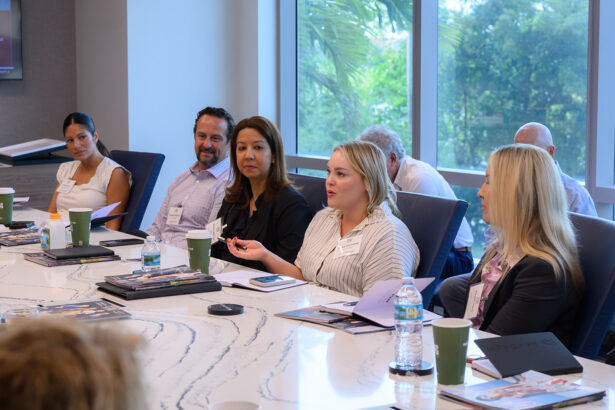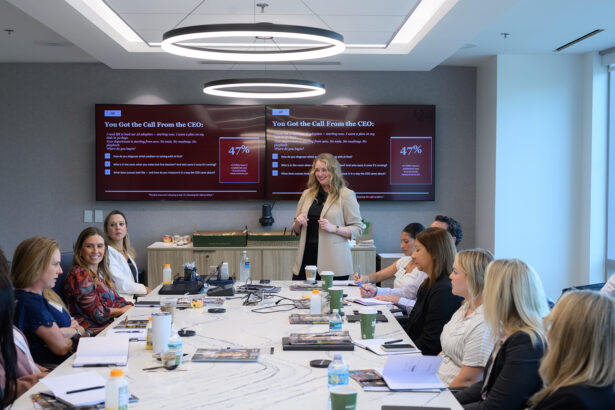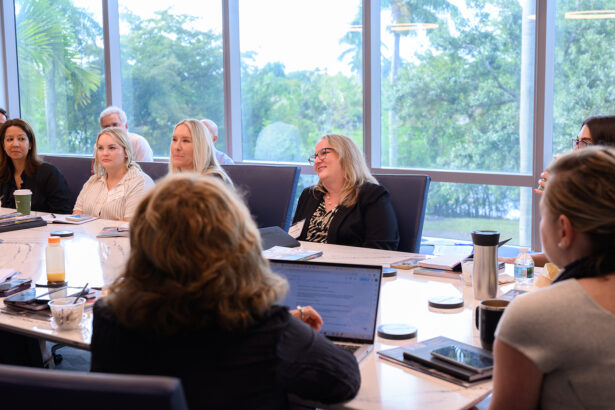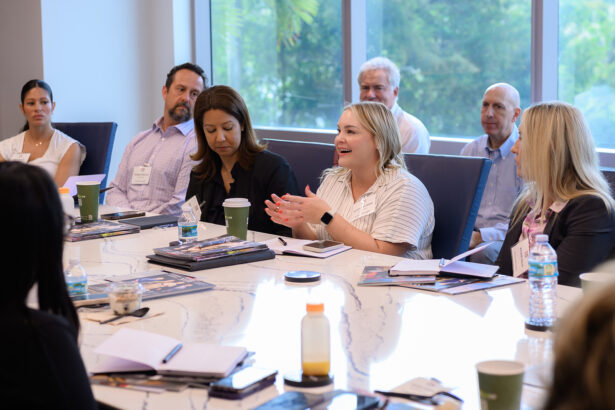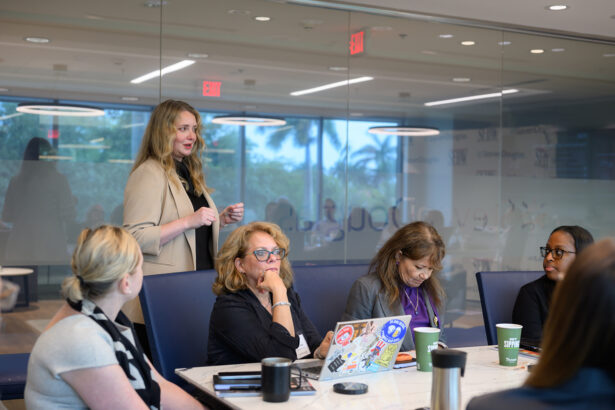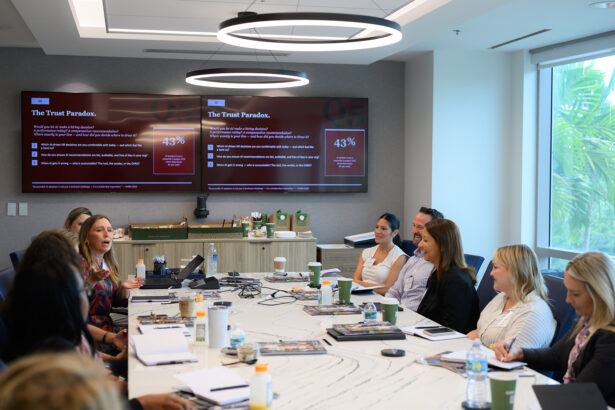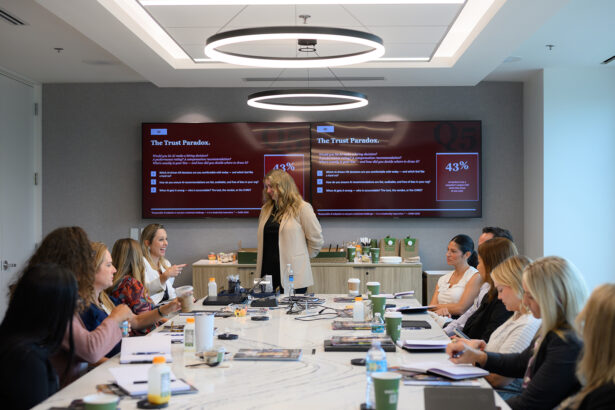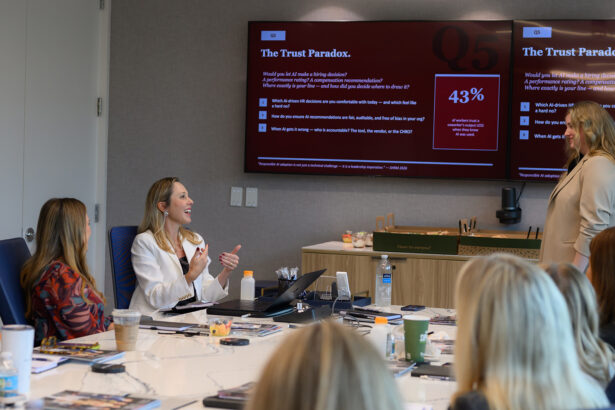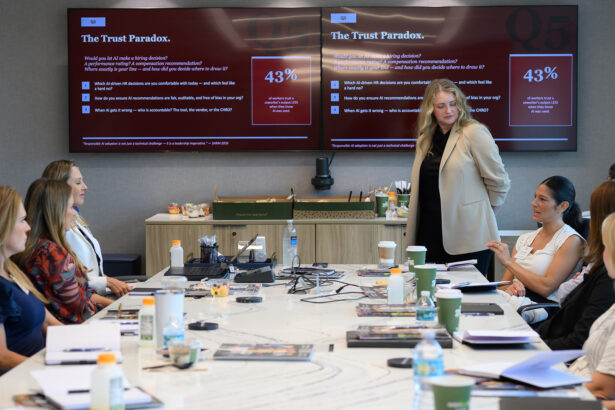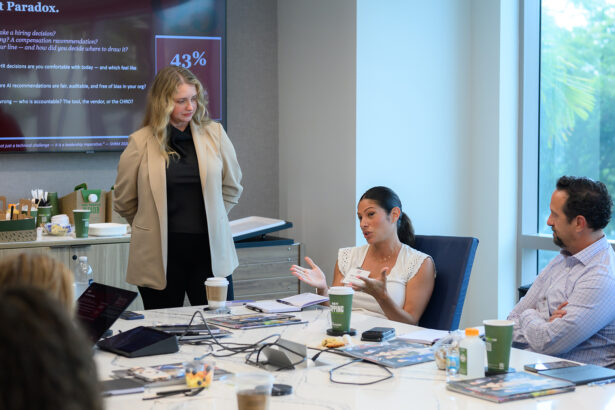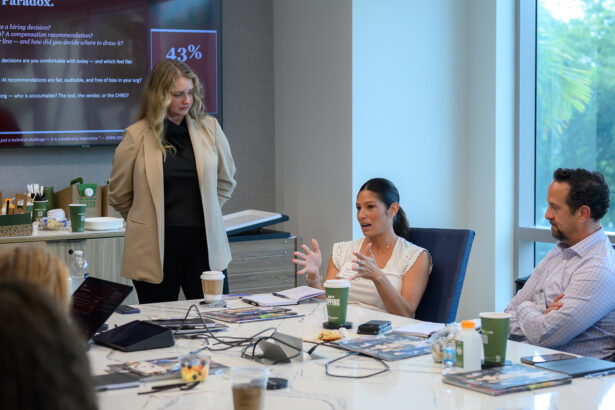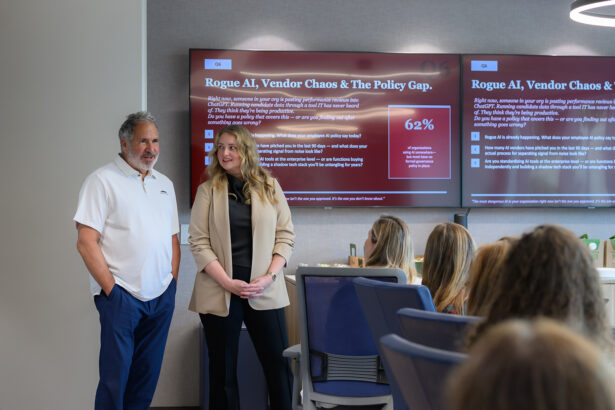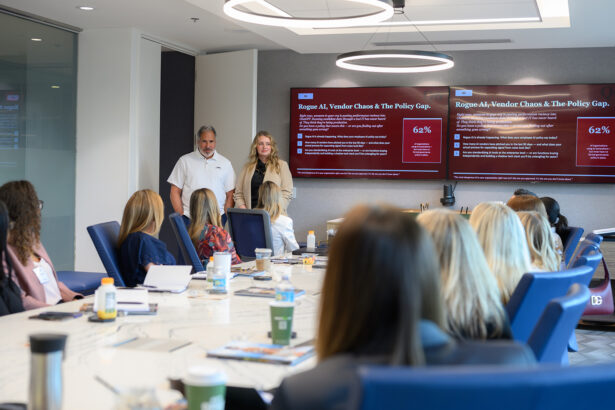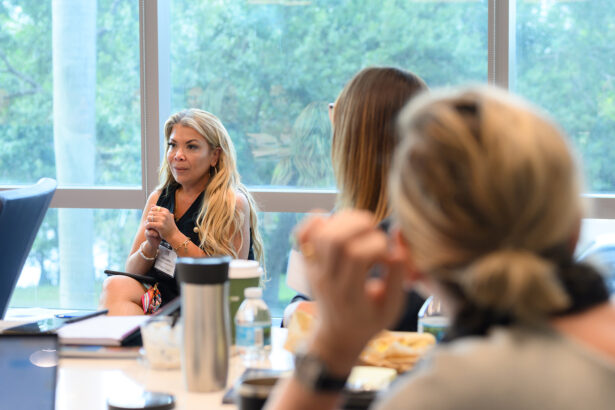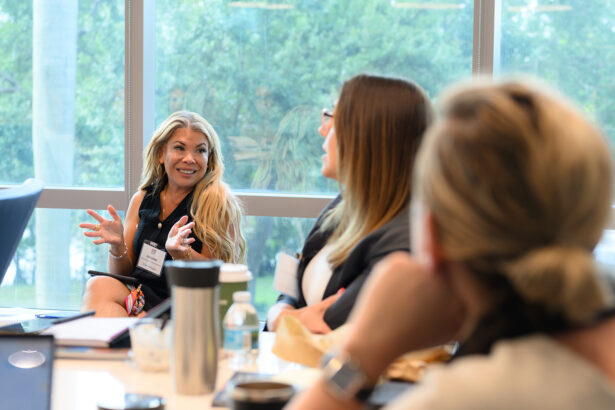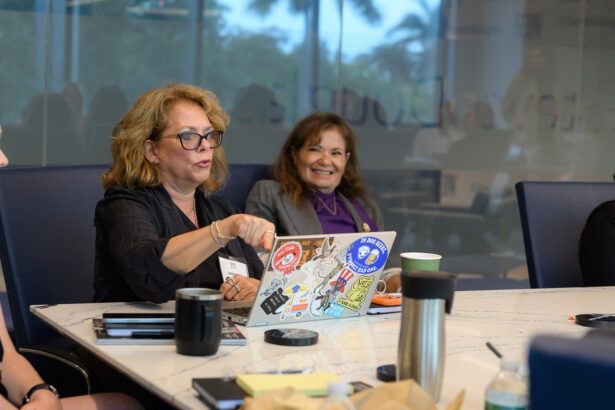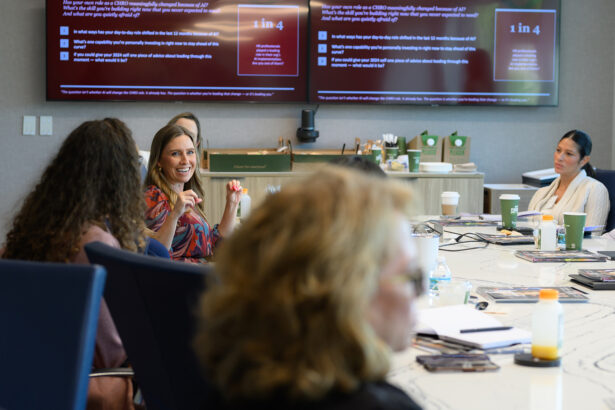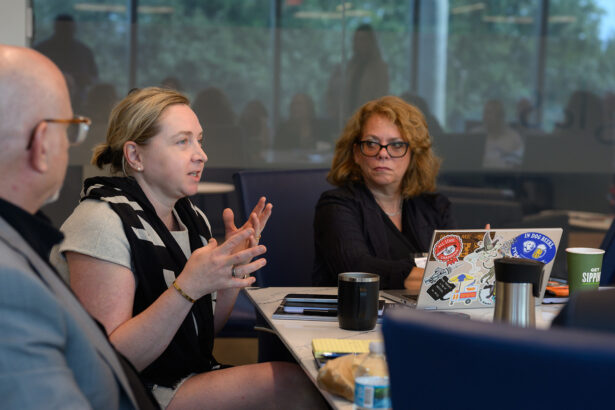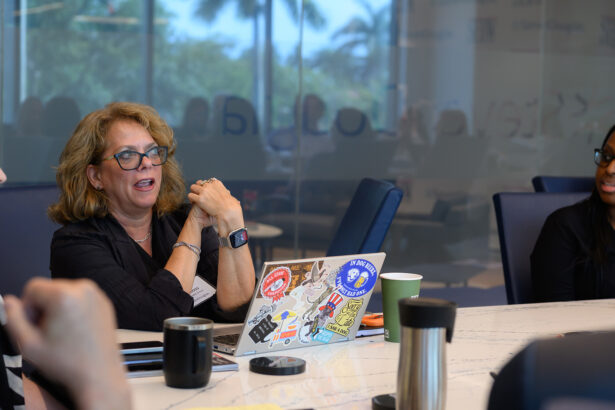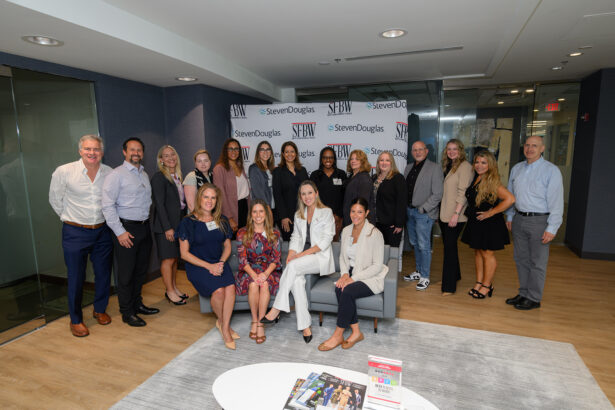

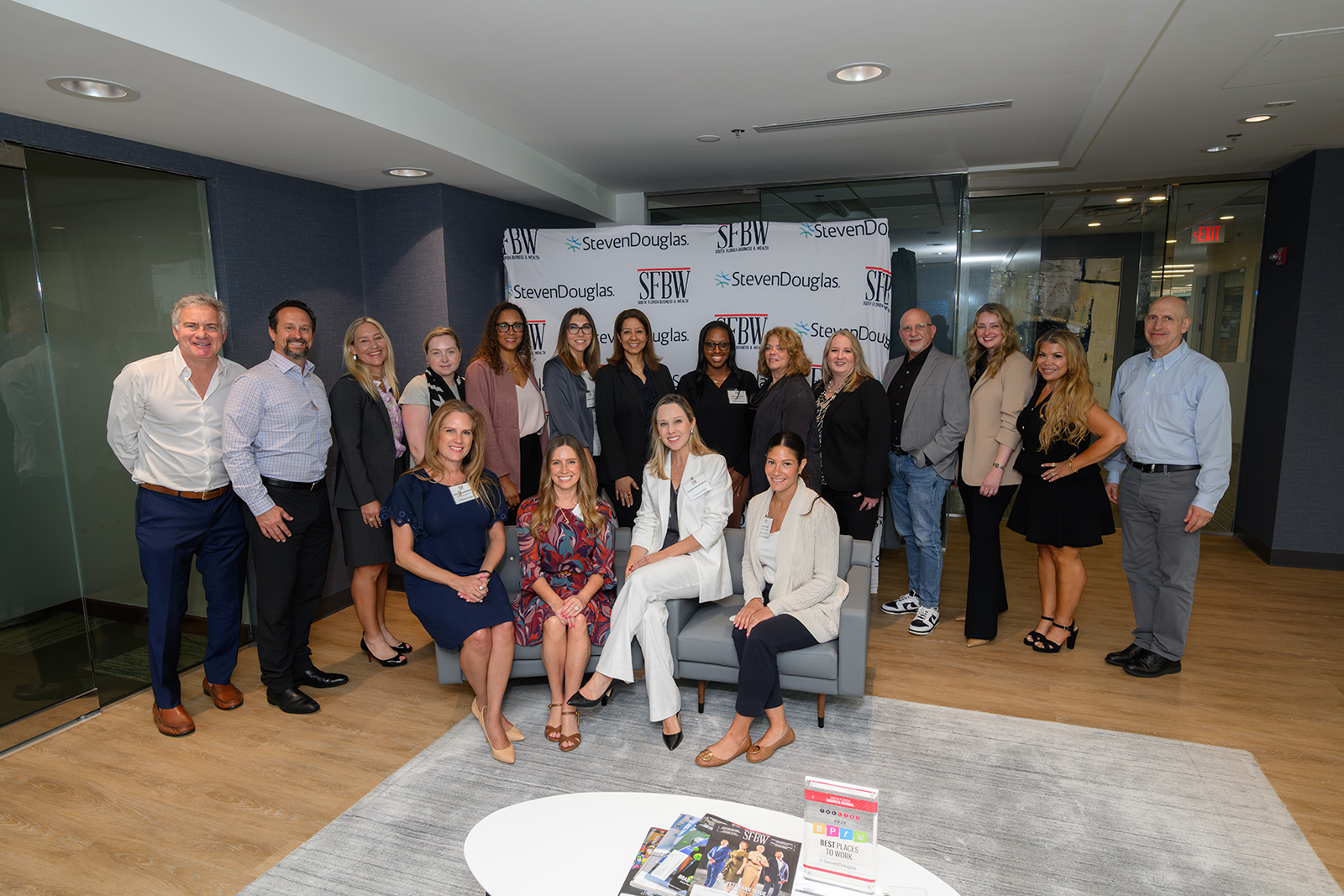
Recently, HR professionals throughout South Florida gathered at the Sunrise, Florida headquarters of StevenDouglas to discuss one of the most-discussed issues facing the corporate world: How is AI transforming the HR landscape?
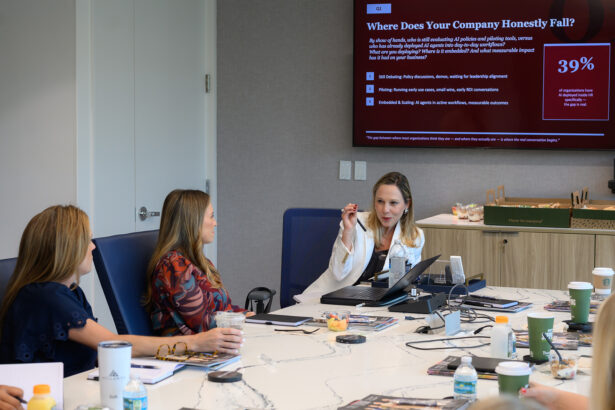
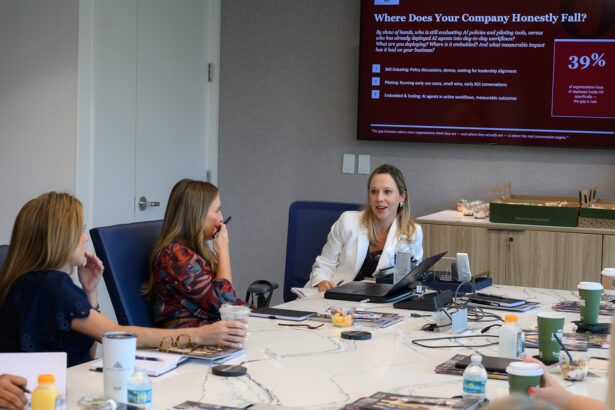
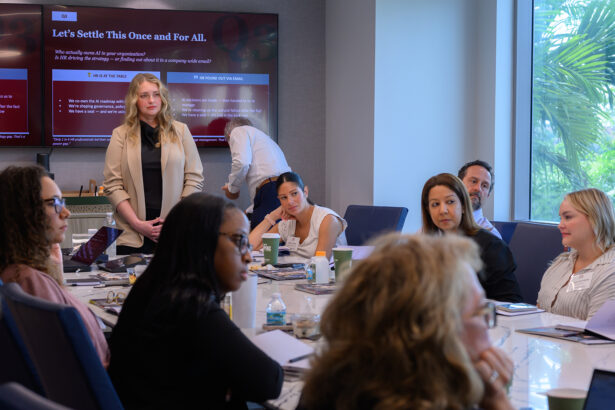
The roundtable was led by Amanda Rassi, vice president of HR search for StevenDouglas. Nearly two dozen top-level HR professionals in finance, hospitality, service, development, manufacturing, and more joined the lively discussion.
Rassi started by announcing that AI helped write the entire presentation, which included some insightful questions about how best to implement AI in the workplace.
Most of the HR professionals in the room said their company implemented AI in some form, but to what extent varied around the table: some companies have incorporated AI formally into the company structure as a vital tool, while others are still putting their toes into the AI “water”.
Many agreed that, although AI is a formidable tool, HR professionals still have to tap into critical thinking. Coaching people on how to use AI is vital to ensure employees are using AI properly and within company guidelines.
Another item to consider when implementing AI is how to keep people in the equation. AI can be helpful in some functions — like using it to make technical information more digestible for different people, and in coaching programs — but people should always come first.
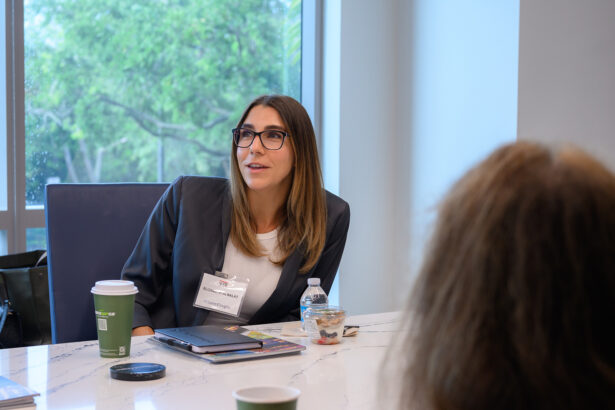
Integra’s Elizabeth Albalat said that, although AI is a positive tool, every company needs to find where it fits in — or if it, indeed, does. “I think AI utilization depends on specific business needs. I’ve been with a publicly held company that celebrated its 50-year anniversary. They didn’t really need it. A high-growth startup, yes. “
In the end, AI is here to stay, but it’s still designed to help — and not replace people. AI, after all, can’t ever take away the “human” in human resources.