
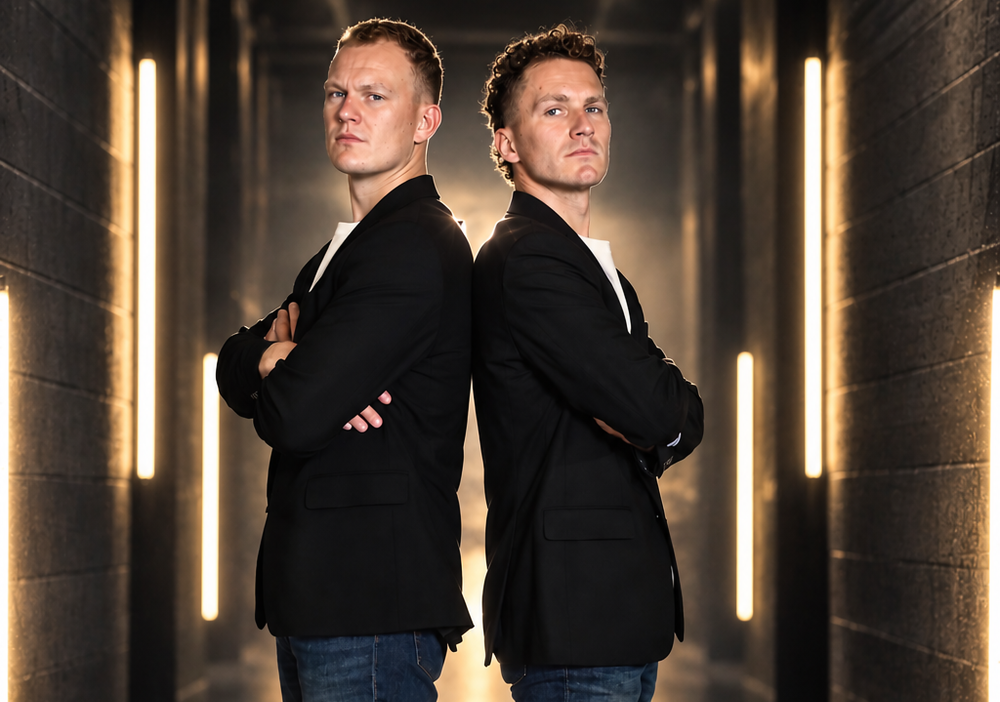
Uniting Matthew and Brady Tkachuk in South Florida required a substantial investment before the brothers ever shared an NHL locker room.
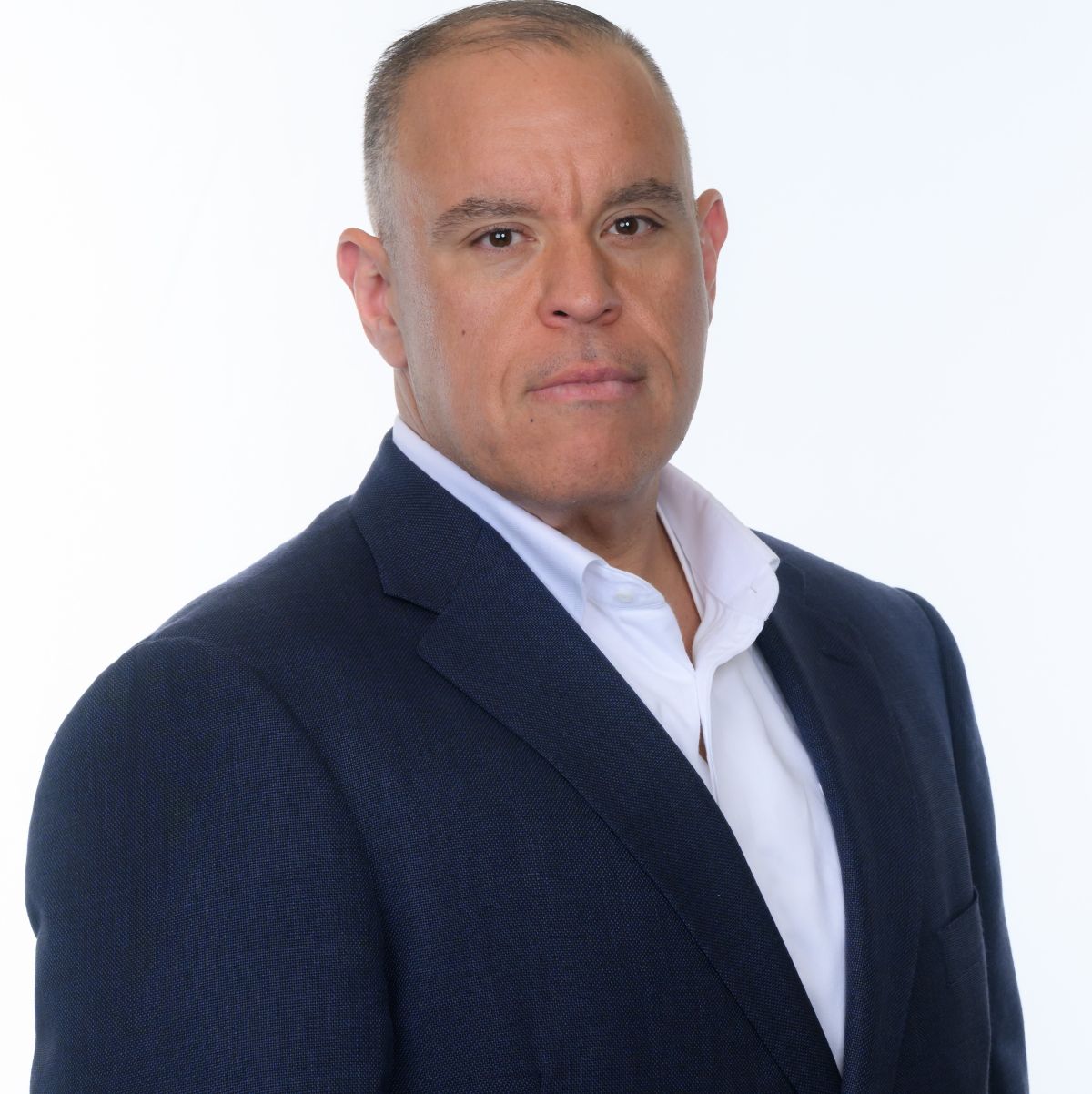
In June, the Florida Panthers, owned by billionaire businessman Vincent Viola and his family, acquired Brady from the Ottawa Senators in exchange for three first-round draft selections and a second-round pick. The transaction brought another established star into the organization while surrendering valuable opportunities to recruit future talent.
In 2022, the Panthers inherited Matthew’s eight-year, $76 million contract from the Calgary Flames, which runs through the 2029–30 season. Brady’s seven-year agreement, reported by NHL.com at $57.5 million when signed with the Ottawa Senators, expires after 2027–28.
Their combined compensation for 2026–27 totals $18.5 million: $10 million for Matthew, including a $9 million signing bonus, and $8.5 million for Brady, according to contract tracker PuckPedia. Those payments differ from the accounting used for the salary cap, where Matthew carries a $9.5 million annual charge and Brady approximately $8.2 million.
The NHL’s team salary cap this season is $104 million.
For Florida, the investment is a bet on returning to championship contention as well as sustaining the audience, visitor spending, and community connections that successful hockey can generate.
Brady sees the organization’s expectations extending from ownership through the locker room. “The winning culture, the commitment to excellence that goes from the Viola family all the way down to every single person in this organization,” he says. “For me, it’s just whatever the team needs me to do.”
Head coach Paul Maurice sees distinct leadership strengths beneath the shared surname. Speaking about Brady during the team’s recent media day, he said: “The comparison is inevitable, but I would view him as a powerful speaker, he’s a powerful man.”
Matthew’s ambitions are just as direct. “I just want to continue being the leader that I am and drag guys along into the fight with me,” he says.
The financial stakes extend beyond the franchise. In its 2025 economic summary, the Fort Lauderdale Downtown Development Authority (DDA) attributed over $130 million in economic impact to the Panthers over the preceding two years, citing the 2024 Stanley Cup championship and the debuts of Baptist Health IcePlex and Fort Lauderdale War Memorial. That estimate encompasses both championship activity and development, rather than measuring playoff spending alone.
The championship series itself offers a narrower example. In June 2024, South Florida Business & Wealth reported that the DDA, working with Walter Duke + Partners, projected a $20 to $30 million economic impact for Fort Lauderdale from that Stanley Cup Final series through hotel occupancy and restaurant spending.
Those figures measure estimated activity in the surrounding economy, rather than revenue collected by the Panthers. They also illustrate why local business interests have reason to follow a team whose competitive ambitions can extend the season—and the flow of visitors—into June.
The organization’s physical investment gives that activity a home beyond Amerant Bank Arena in Sunrise. In 2019, the Panthers announced the War Memorial revitalization as a privately financed, $65 million project developed with the City of Fort Lauderdale. The announced plan combined a professional training facility, community ice programming, and the restoration of the historic auditorium.
Today, the complex offers youth and adult hockey, skating instruction, tournaments, and private events. War Memorial Auditorium adds a concert calendar spanning The Kid Laroi to Young the Giant. Together, those uses create opportunities to attract paying visitors throughout the year.
For Brady, the investment is evident in the workplace itself. “A lot of the guys live around here and this building, our locker room, our setup is top-notch best in the world,” he says.
Facilities also give recognizable players a platform to bring new audiences into the sport. Matthew’s inaugural Hockey Celebration, presented by Baptist Health, offered free community programming at the IcePlex in September. Matthew says the tournament drew families from nearby communities and outside Florida. Their feedback connected hockey directly to the destination—the hotel arrangements, proximity to the beach, rink facilities and game schedule all figured into their experience.
“I think the highlight for me was just hearing from players and families, how much they enjoyed the experience, whether they were a team from close to here or from out of town or out of state,” he says.
His account illustrates a business opportunity that continues outside the NHL schedule – youth sports travel. A tournament can bring players and accompanying families into the market while introducing them to the Panthers’ facilities and brand.
Growing that audience requires sustained access to hockey. At media day, Panthers president of hockey operations and general manager Bill Zito connected the organization’s recent success to its responsibility locally. “It’s growing and alive,” Zito said. “From that standpoint, it’s our responsibility to help grow the game and provide opportunities for everyone to play.”
The organization’s community investment also includes charitable giving. According to the Panthers, the Florida Panthers Foundation has donated over $11.3 million to local South Florida nonprofits over the past decade, supporting veterans affairs, children’s health and education, youth hockey, and awareness of the endangered Florida panther.
The Tkachuks’ role in that effort spans performance to public visibility. Winning can attract attention, as tournaments, community programs and accessible facilities give people reasons to remain involved.
In January 2026, Matthew became a brand ambassador for Baptist Health South Florida, collaborating on orthopedic care awareness and local youth programs, in addition to launching the Matthew Tkachuk Hockey Celebration this past September. Brady is still identifying the South Florida causes he wants to support. His measure of success, however, already reaches well beyond his contract. “For me, in five years, it’s always the goal to leave a spot better than when you found it,” he says.
For the Panthers, the business challenge is turning quite an investment in elite talent into lasting value – competitive hockey, repeat visitors and a larger local audience with reasons to keep coming back.