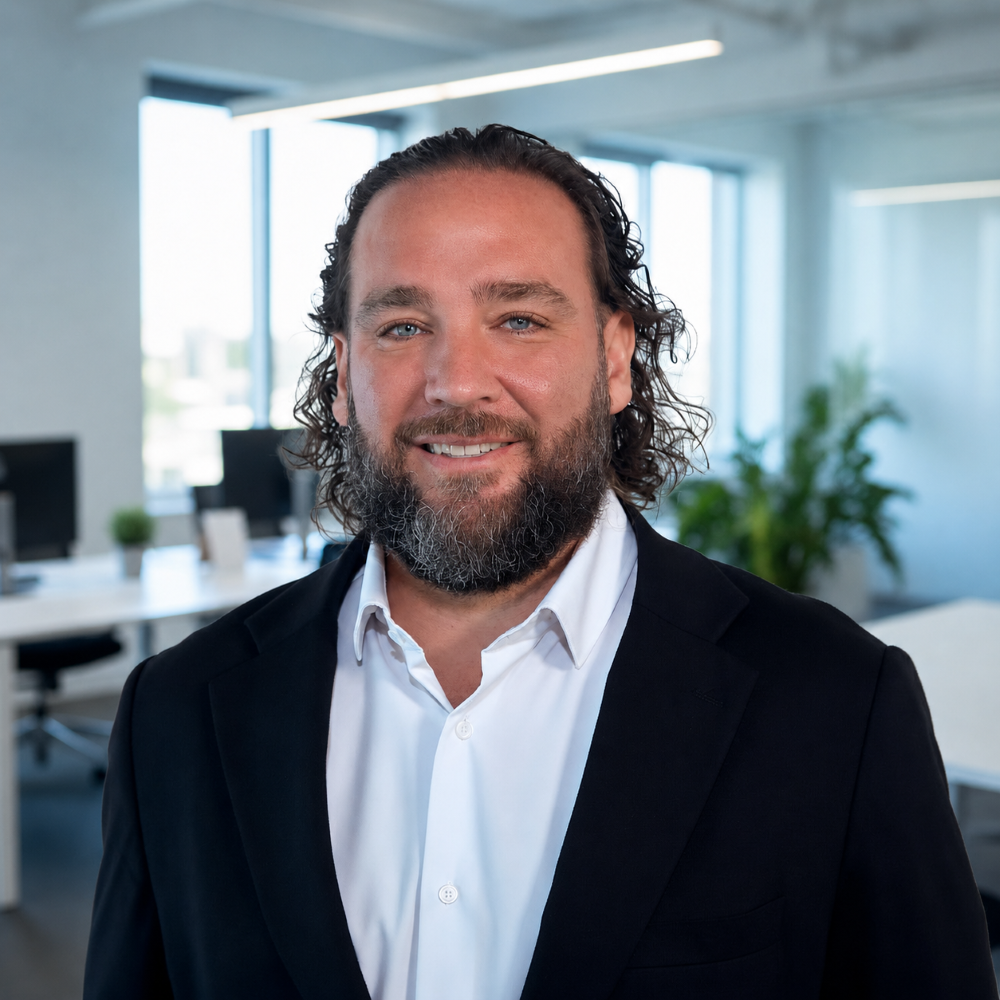

By Dr. Alejandro Badia
Virtual doctor office visits? eCare? Telemedicine? Advanced communications technology is revolutionizing the way health services are delivered. Oddly enough, we can thank COVID-19 for helping make that happen.
I am referring to the significant uptick in patients’ use of mobile health apps, remote monitoring and video consultations via smart tables and computers to virtually meet with physicians and nurses and receive care from the comfort and safety of their homes during the current pandemic.

COVID-19 is likely to impact the future direction of the entire health care industry, encouraging more Americans to utilize telemedicine applications, prompting more physicians to adopt the technology for their practices and revising insurance companies’ reimbursement policies for care given by app and video.
Experts agree. Early in March, officials of Teladoc Health, a global leader in virtual care, reported that the COVID-19 outbreak had caused a surge in telehealth usage, with the company supporting approximately 100,000 virtual medical visits in the United States during just a single week. American Telemedicine Association leaders suggest that patients who experience the convenience of telehealth communications for the first time may continue relying on the technology when the pandemic is over.
All of this represents a significant turnaround from mid-2019 when a consumer survey by J.D. Power Company indicated that fewer than 10 percent of Americans were using telehealth services; 75 percent of respondents reported either having no access to such technology or being unaware of its availability.
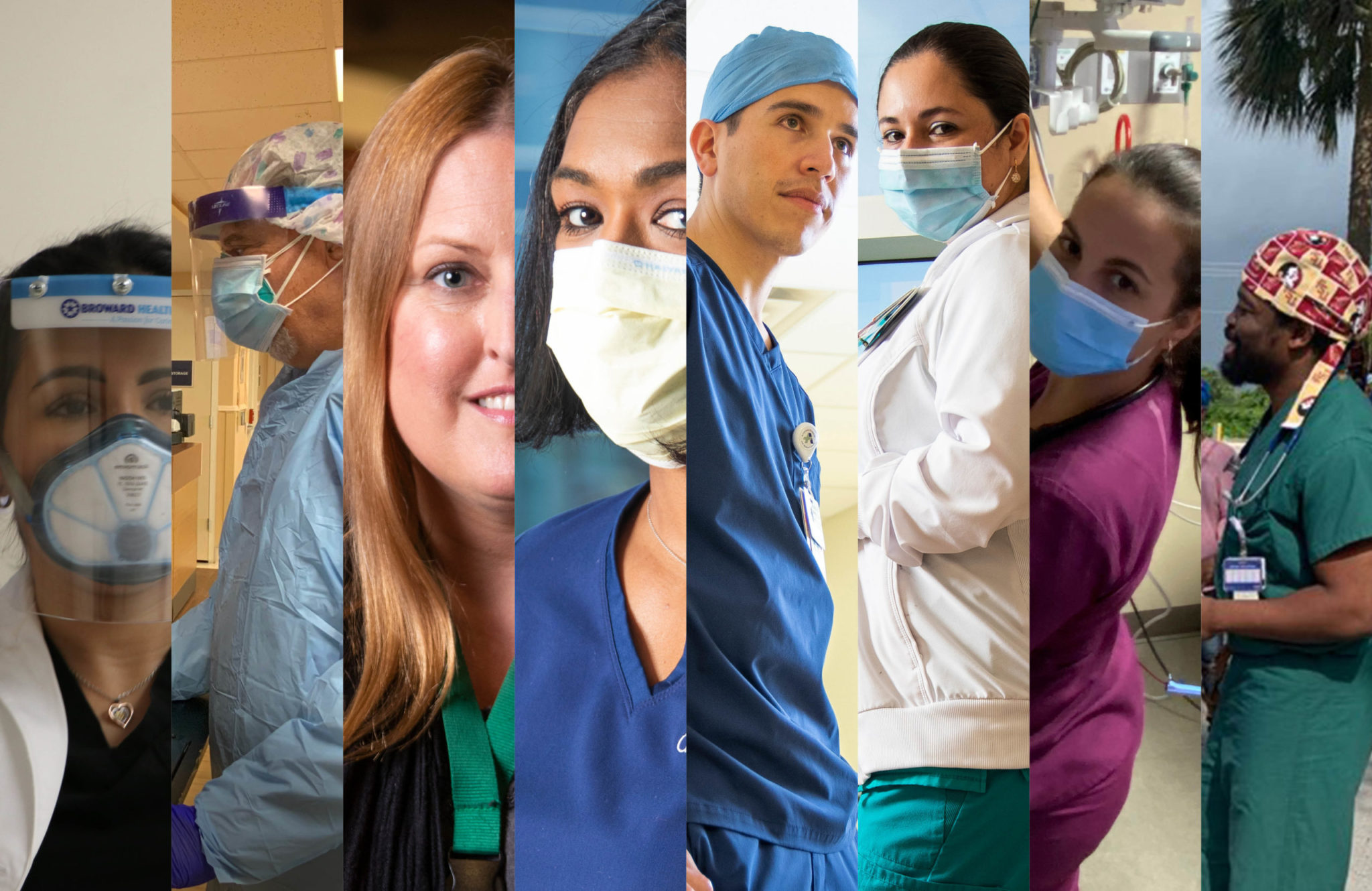
Even some hospitals, crowded with coronavirus-infected individuals, have been increasingly turning to telemedicine and remote devices to perform physical examinations of patients who are at home. The intent is to relieve pressure on emergency rooms and outpatient clinics, while keeping patients safe from contact with other sick persons.
The viral outbreak has resulted in a relaxation of Medicare rules involving reimbursement for virtual doctor visits and caused state governments to call on private, third-party insurers to revise coverage policies related to telehealth.
I am a specialist in treating musculoskeletal disorders of the hands, wrists and other upper limbs and have experience as early adopter of telemedicine. I introduced it into my practice—the Miami-based Badia Hand to Shoulder Center and OrthoNOW—about four years ago. Today we schedule patient “e-visits” through the Zoom for Healthcare app. It is a software platform that keeps patient information secure, while facilitating two-way patient-doctor communications in real-time using video conferencing.
For patients who develop non-urgent orthopedic problems or sustain relatively minor injuries, such as rotator cuff tears, tennis elbow or carpal tunnel syndrome, we are scheduling video visits by computer or mobile phone. Doing so helps keep our patients at home and safe from the virus, but still allows us to examine their injuries or condition remotely, check the range of motion of their joints and limbs and discuss the best treatment options.
Even before COVID-19, telemedicine technology was demonstrating its value.
Patients who lack easy transportation to our offices or who experience non-emergency injuries that may make it painful or awkward for them to travel have been able to interact remotely with physicians in our practice through telehealth. The technology also has given access to our services to patients who reside outside the Miami area, including patients from other countries.
Literally hundreds of evaluative telemedicine studies underscore my views about tele-medicine.
Scientists have found that, besides offering patients convenience—and safety, eCare lowers hospital admissions, enhances patient compliance, encourages healthy lifestyles, reduces the number of cancelled appointments and cuts overall health care costs—all reasons why more and more health insurance companies are offering coverage for virtual provider visits.
I have found telehealth can be especially beneficial to orthopedic patients. The ready access and quick connection to orthopedic specialists through eVisits and mobile apps mean fewer patients with non-urgent musculoskeletal problems will seek care in hospital emergency rooms where waits are long, care costly and diagnoses sometimes missed because emergency and general physicians are not trained in orthopedics.
Quicker access to health services, greater convenience, lower costs, better management of health problems, improved health outcomes—what’s not to like? That’s telehealth. Thank a virus.
Alejandro Badia, MD, FACS, is an internationally renowned hand and upper-limb surgeon and founder of Badia Hand to Shoulder Center and OrthoNOW, a walk-in orthopedic care clinic. He is a member of the American Society for Surgery of the Hand, American Association for Hand Surgery and the American Academy of Orthopedic Surgeons and an honorary member of many international professional hand societies. Dr. Badia specializes in treating all problems related to the hand and upper extremities, including trauma, sports injury, joint reconstruction, nerve inju-ries and arthroscopic surgeries. For more information, please visit OrthoNOWcare.com and drbadia.com.