

Empty houses could sell faster

Vacant homes, long considered a drag on the U.S. real estate market, are getting an image makeover courtesy of the coronavirus crisis, says Ken H. Johnson, Ph.D., an economist in Florida Atlantic University’s College of Business.

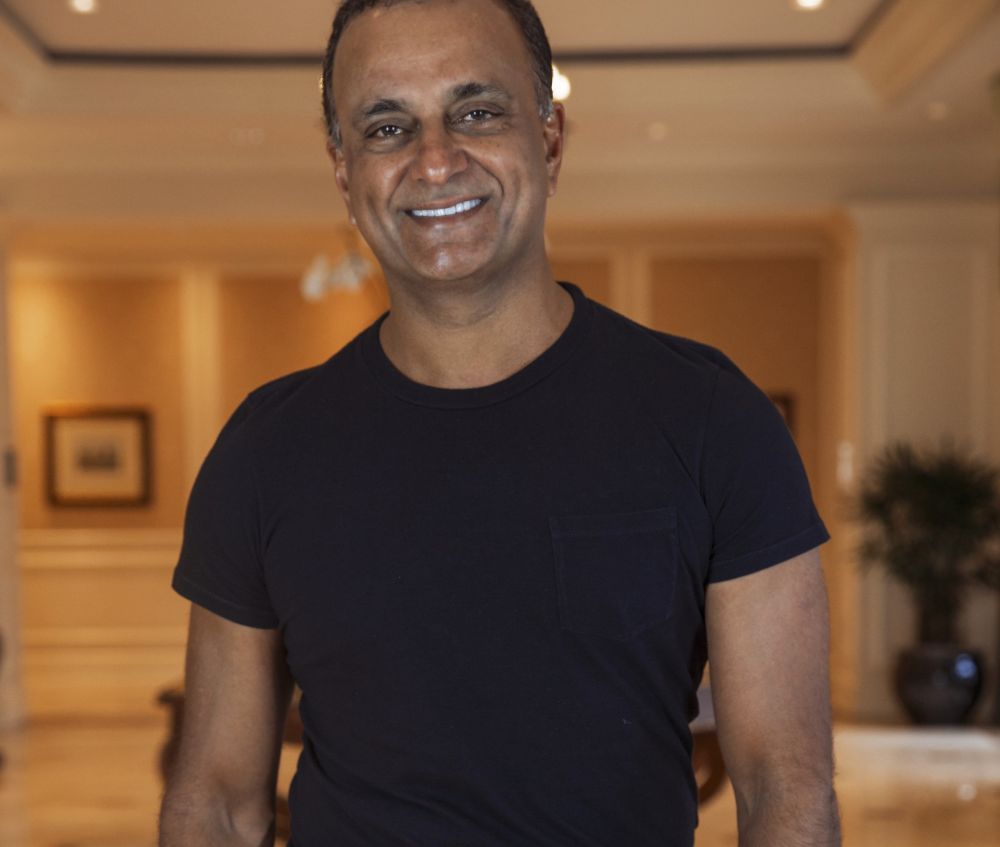
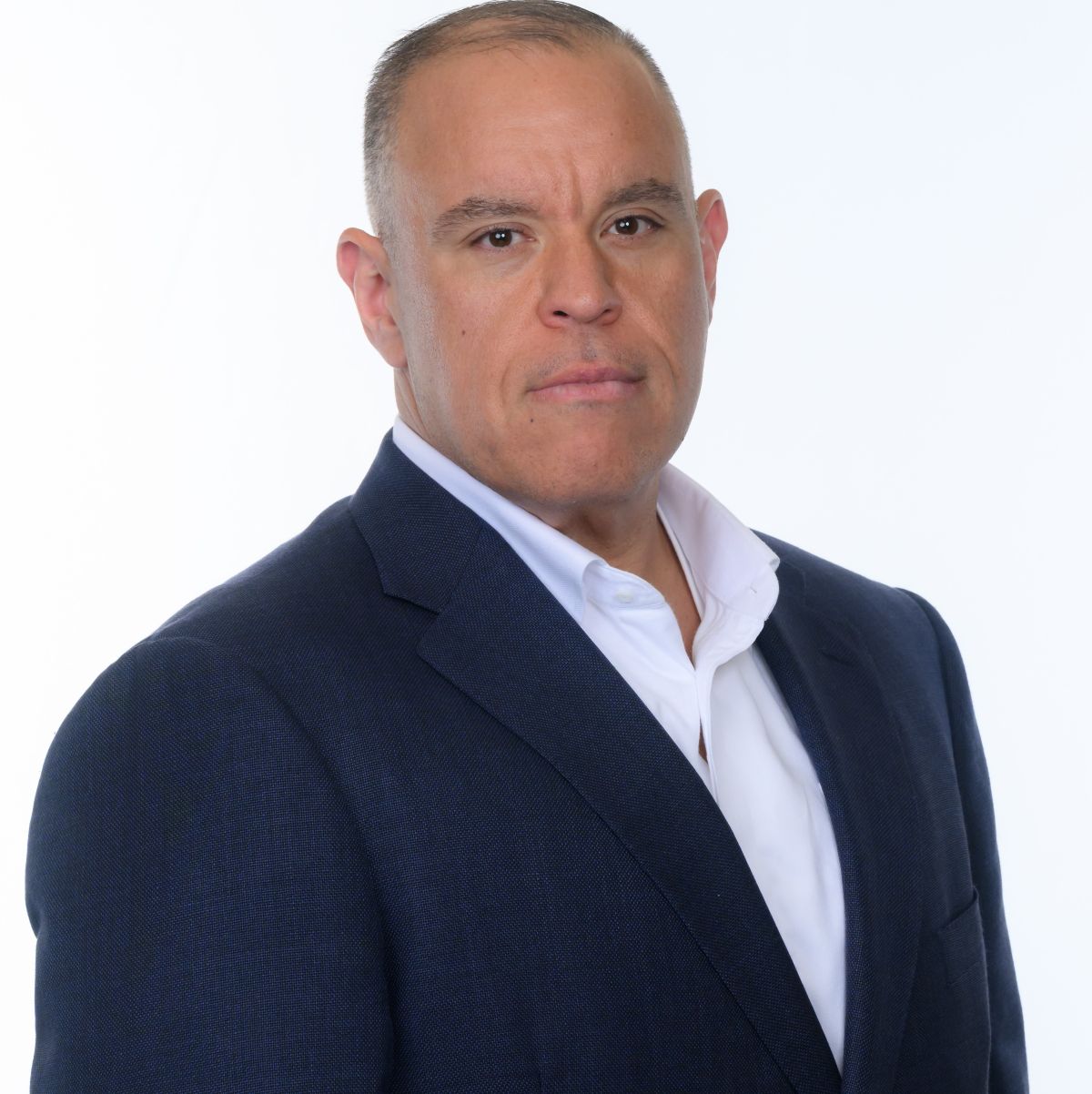
U.S. metropolitan residential real estate markets are peaking, and some cities are in another pricing bubble, according to the latest national index produced by Florida Atlantic University and Florida International University faculty. The Beracha, Hardin & Johnson Buy vs. Rent Index scale goes from minus-1 (good time to buy) to 1 (better to rent) with zero being neutral. Two metropolitan areas—Dallas (0.92) and Denver (0.77)—are significantly overheated and rapidly approaching a score of 1, said Ken Johnson (above), one of the index’s creators and associate dean and professor in FAU’s College of Business.
FAU’s Ken Johnson

Historically, vacant properties have sold at a discount due to poor condition and/or the financial distress of the owners, who want to sell quickly and minimize financial losses. But concerns about the spread of COVID-19 make this one of the best times ever to sell unoccupied homes, according to Johnson. With nobody living there, these properties offer reduced risk of exposure to the virus, so serious buyers are more willing to tour the homes and make offers close to market value.

“Vacant properties for sale are forming their own submarket,” he said. “We should not be surprised to see these homes shown more often than occupied properties, go under contract faster and sell at prices close to market value. Other occupied properties are simply in a separate, nearly non-functioning market at this point.”

Housing trends remain fluid due to the coronavirus, but Johnson, a former real estate broker who has researched the market for 25 years, said agents across the country are reporting increased demand for showing vacant properties, even while occupied homes are struggling to draw interest.

Sellers with the financial means may even want to consider temporarily moving out of their homes to stay with friends or in a hotel, a strategy that would open their properties to a larger pool of prospective buyers, Johnson said.

“These arrangements, while costly or inconvenient, could be the difference between selling your property and letting it sit for a very long period of time,” Johnson said. “Temporarily moving into alternative housing could produce higher selling prices as well, all else equal.”

You May Also Like
Clamor Grows for More PPP

Anticipation is growing for Congress to free up another batch of PPP loans for small businesses as part of additional legislation to respond to the economic fallout from the COVID-19

Read More
Heroes of the Pandemic

By Clarissa Buch and Sally-Ann O’Dowd • photography (where indicated) by Eduardo Schneider “It’s so terrifying because as a pregnant female, I’m considered immuno-compromised. If I get infected, my immune

Read More
Business as usual

In the aftermath of our spring feature on how companies were dealing with the shutdown, businesses from all over South Florida continue to share their pandemic stories with SFBW. Here

Read More
Business as usual

[vc_row css_animation=”” row_type=”row” use_row_as_full_screen_section=”no” type=”full_width” angled_section=”no” text_align=”left” background_image_as_pattern=”without_pattern”][vc_column width=”2/3″][vc_column_text] By SFBW editorial staff Kevin Sheehan Jr. President, Bahamas Paradise Cruise Line Business backstory: The only two-night cruise sailing from the

Read More
Other Posts
Big Four Firm Deepens South Florida Roots

PwC Expands Footprint in Palm Beach County Amid Wealth Migration Boom

Read More
Powering the Past and the Future

Florida Power and Light Turns 100.

Read More
The Real ROI: Boynton Beach’s New Housing Project

PulteGroup Tackles the Region’s Quiet Crisis: Housing the People Who Power the Economy

Read More
Developers Bet Big on Florida’s Palm Coast

BH Group and Unicorp join forces as Northeast Florida draws new wealth

Read More