
Starting a business during a pandemic? It’s not as ill-fated as you may think, says Siri Terjesen, Ph.D., a professor of management programs in Florida Atlantic University’s College of Business.

While many entrepreneurs will be reluctant to take such a risk, firms founded in this period are likely to be resilient and able to pivot to identify the best opportunities, according to Terjesen. That’s one of the principles she identified in studying several recessions over the past century, publishing extensive findings on what entrepreneurial activity looks like coming into, during and moving out of economic downturns.
Some examples of successful ventures founded amid downturns include cosmetics company Revlon in 1931 during the Great Depression, technology giant Microsoft in 1975, and more recently, software firm Slack Technologies in the Great Recession of 2009.
Terjesen’s research shows that firms founded during economic hardships can achieve long-term survival (at least six years) even if they make investments that increase variable and fixed costs. In downturns, new ventures typically can acquire assets cheaply and are often in a strong position to establish strategic partnerships with other organizations.
The coronavirus has led to the dismissal of many unnecessary regulations that discourage new business ventures, Terjesen said. With these lower barriers to entry, more firms will establish themselves in certain sectors, particularly health care.
“Entirely new business models are coming, and they will cut across nearly every industry,” Terjesen said. “Right now, it’s very hard to be optimistic about the health of ventures. But what people don’t see behind the scenes is that while these businesses are shuttered, owners are looking to the next best opportunity.”
Although all recessions ultimately lead to innovations, the virus will fundamentally change certain business models.
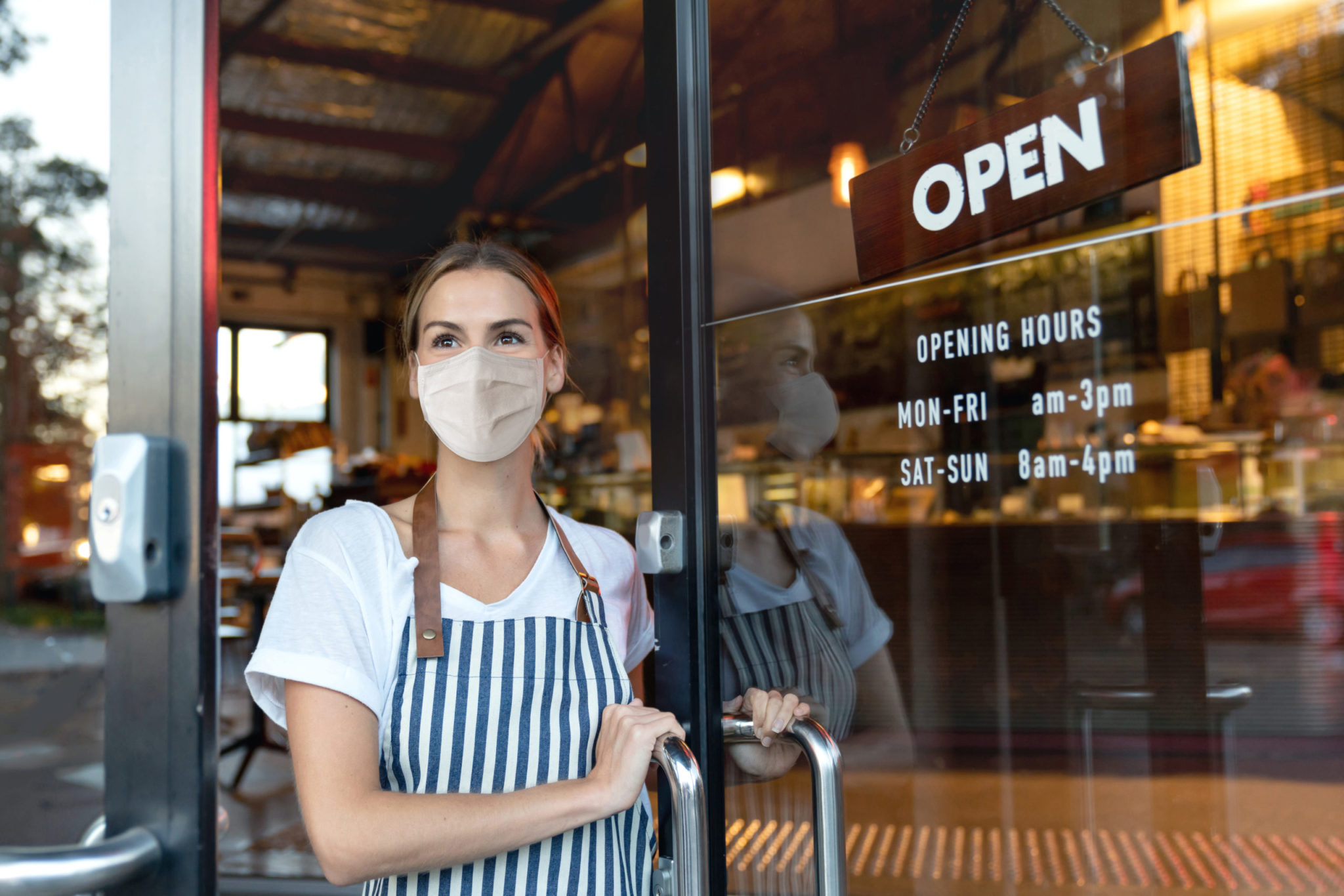
Panera Bread, the national restaurant chain, has operated as a grocery store via pick-up or delivery for such staples as milk, produce and bread. Meanwhile, in Deerfield Beach, the upscale beachfront restaurant Oceans 234 temporarily reinvented itself with delivery and pickup for prepared meals, as well as ingredients and basic items such as toilet paper and cleaning supplies.
Terjesen expects the coronavirus to usher in other sweeping changes, including more social entrepreneurs—individuals who create businesses to address social problems or needs that are unmet by governments and existing firms. These social entrepreneurs typically are motivated by social benefit, but they also may reap clear economic benefits to become sustainable and survive a turbulent marketplace.
However, as a result of the pandemic and its social distancing requirements, there likely will be less of a demand for shared-economy businesses, such as ride-hailing services or vacation-rental platforms.
“Many individuals will prefer to own their own, or resource pool with family and neighbors whom they trust,” Terjesen says.