

In a region defined by its diversity, innovation, and entrepreneurial energy, it’s no surprise that South Florida’s top HR and executive leaders are helping shape the future of work with a mix of pragmatism, bold thinking, and a deeply human touch.
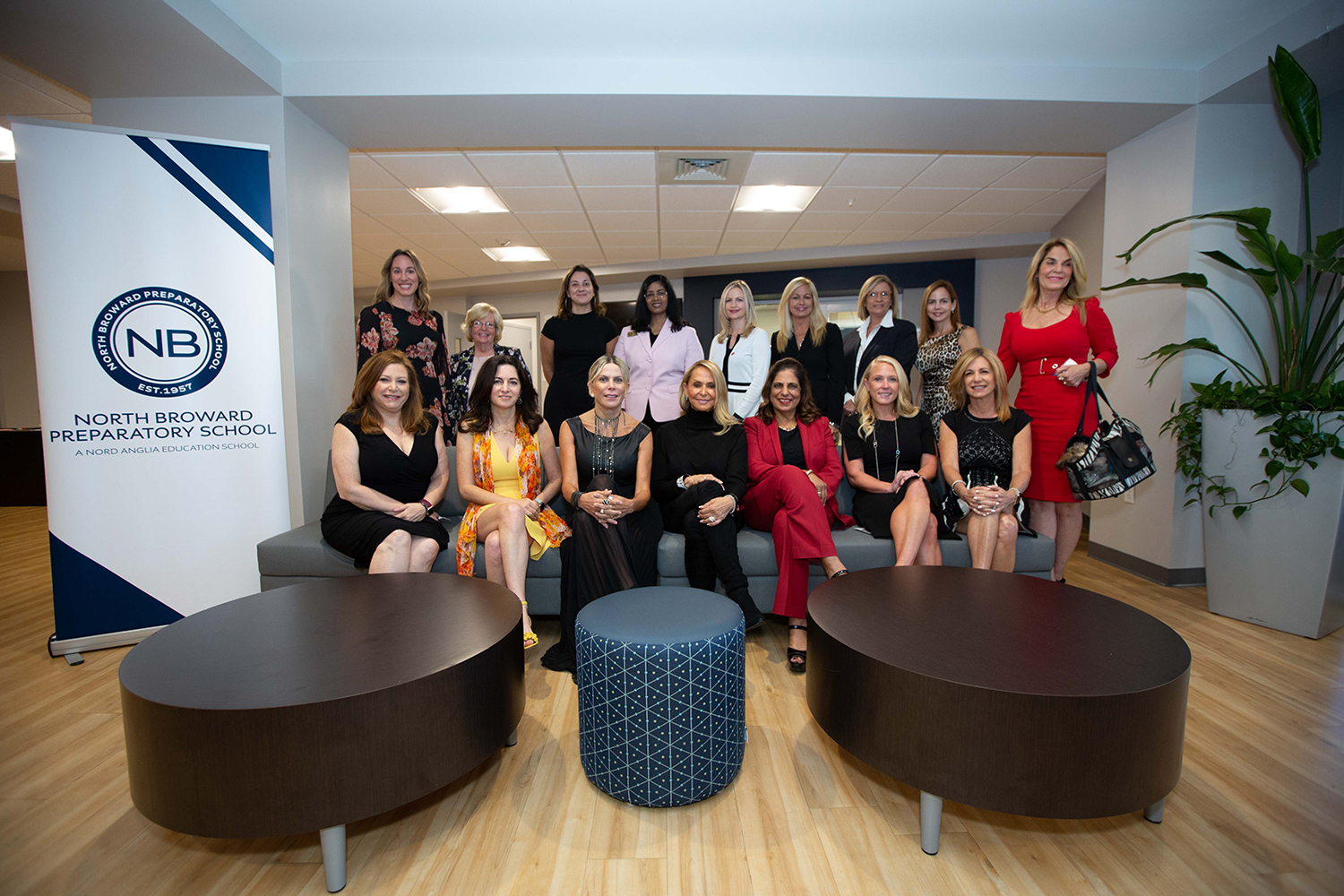
That spirit was on full display at a recent roundtable hosted by StevenDouglas, one of the nation’s leading executive search firms. What could have been a traditional conversation about recruiting trends quickly evolved into something richer: a wide-ranging, cross-industry dialogue about culture, leadership, inclusion, and how technology can support—not replace—the most human parts of business.
While attendees represented industries as varied as real estate, hospitality, healthcare, finance, and automotive, what they shared was a clear conviction: people strategy is business strategy.
The conversation around inclusion revealed a thoughtful shift underway in many organizations. For Ken Finneran, Chief People Officer at eMed, the terminology has evolved—but not the commitment. “We’re not calling it DEI anymore—we’re calling it inclusion. Words matter. And this allows us to stay focused on people without creating unnecessary tension in today’s climate,” he said. eMed, which operates in the highly regulated healthcare space, has developed internal guidelines that reflect this shift while continuing to promote equity in meaningful ways.
Sharon Reis, Senior HR Business Partner at TD Bank, echoed that sentiment. “We’re still deeply invested in inclusion—but our focus now is on business alignment, promotable opportunities, and creating space for employees to grow. The intent hasn’t changed—we’re just being more strategic in how we communicate it.”
Teri Fuentes, Executive Vice President at Lockton, reinforced that inclusivity remains a visible part of their culture. “We haven’t changed the message. We’re active in the community and our employee-led groups—like Women of Lockton, LEAN, and Aspire—are thriving. We hire the best people, no matter where they come from, and we celebrate that diversity across all our offices.”
At SH Hotels & Resorts, inclusion is embedded into the fabric of the brand. “We never lost sight of DEI,” said Jessica Charles, Area Director of Human Resources for 1 Hotels South Beach. “We’re proud of our women-led leadership team, our mentorship efforts, and the way we celebrate mental health and cultural identity. We’ve simply folded those values more deeply into how we operate.”
The topic of AI sparked both excitement and caution. Sonia from Integra Investments highlighted its growing utility: “We’re using ChatGPT on the development side—for renderings, precision, and efficiency. But when it comes to talent acquisition, we still need to read resumes carefully. You can’t lose the human lens.”
Ken Finneran shared how eMed has approached AI from a systems-level perspective. “We developed a policy within two weeks when ChatGPT launched, and we’ve updated it every six months since. We treat employees like adults and offer AI training regularly. But in healthcare, HIPAA compliance is non-negotiable—so we built a version behind our firewall to make sure we’re using AI safely and effectively.”
Teri Fuentes added a compelling use case: “We had a new client opportunity and used Microsoft Copilot to synthesize competitive data and internal insights into one message. It helped us win the business. It’s a great example of how AI can enhance strategy when used smartly.”
As the conversation turned toward mentorship and workplace engagement, the mood became personal. Jessica Charles spoke about 1 Hotels’ approach to hybrid work and connection: “We launched a Zoom mentorship program that’s been really impactful. For our sales managers and guidance team, we offer two to three days of remote flexibility, but our culture still relies on face-to-face time. People need to feel like they belong.”
Others echoed the importance of presence—both physical and intentional. “You can’t just build a policy,” one executive said. “You have to build presence. If you’re not giving people a reason to show up—mentorship, leadership, community—they won’t.”
What stood out most from the roundtable wasn’t just the willingness to adapt—but the clarity of purpose. Whether it was a dealership redefining employee recognition, a hotel group championing leadership development, or a healthcare company implementing safe AI tools, the message was the same: success starts with people.
“Inclusion, innovation, mentorship—none of these things are standalone initiatives,” said Ken Finneran. “They’re part of a larger vision about who we are as companies and how we want to lead.”
In a business climate where talent, culture, and trust are powerful differentiators, South Florida’s top companies are showing that empathy and innovation are not only compatible—they’re essential. And when companies invest in people first, everything else—from performance to profitability—follows.