
Florida’s construction boom has entered a more disciplined phase. Demand remains strong, but execution has become harder to control. Labor shortages, rising insurance costs, and consolidation across the trades have shifted the risk equation for builders, developers, and investors alike. Today, the greatest variable affecting project performance is no longer capital or entitlements. It is labor.
Skilled workers are harder to find, turnover is more expensive, and institutional knowledge walks off job sites with alarming regularity. For many contractors, workforce instability is treated as an unavoidable cost of doing business, creating unpredictability that affects schedules, safety metrics, and margins.
A smaller group of firms is challenging that assumption by building their organizations around continuity. One of the clearest examples can be found in Boynton Beach.
At CSCI, labor stability is not a cultural talking point. It is an operating discipline.
For more than three decades, the structural shell contractor has operated at scale across Florida’s most aggressive residential cycles, partnering with national production builders and custom firms while delivering more than 4,000 residential shell units annually. The volume alone places CSCI among the state’s most consequential trade partners. What distinguishes the company is how it has managed labor risk while operating at that scale.
More than one in five CSCI employees works alongside a family member.
Founded in 1993 by Ronald Goldburg and Mark Nuccilli, the company grew through Florida’s fastest expansion periods by focusing on quality, speed, and safety. Along the way, something less typical for a contractor of this size emerged: a workforce rooted in generational loyalty.
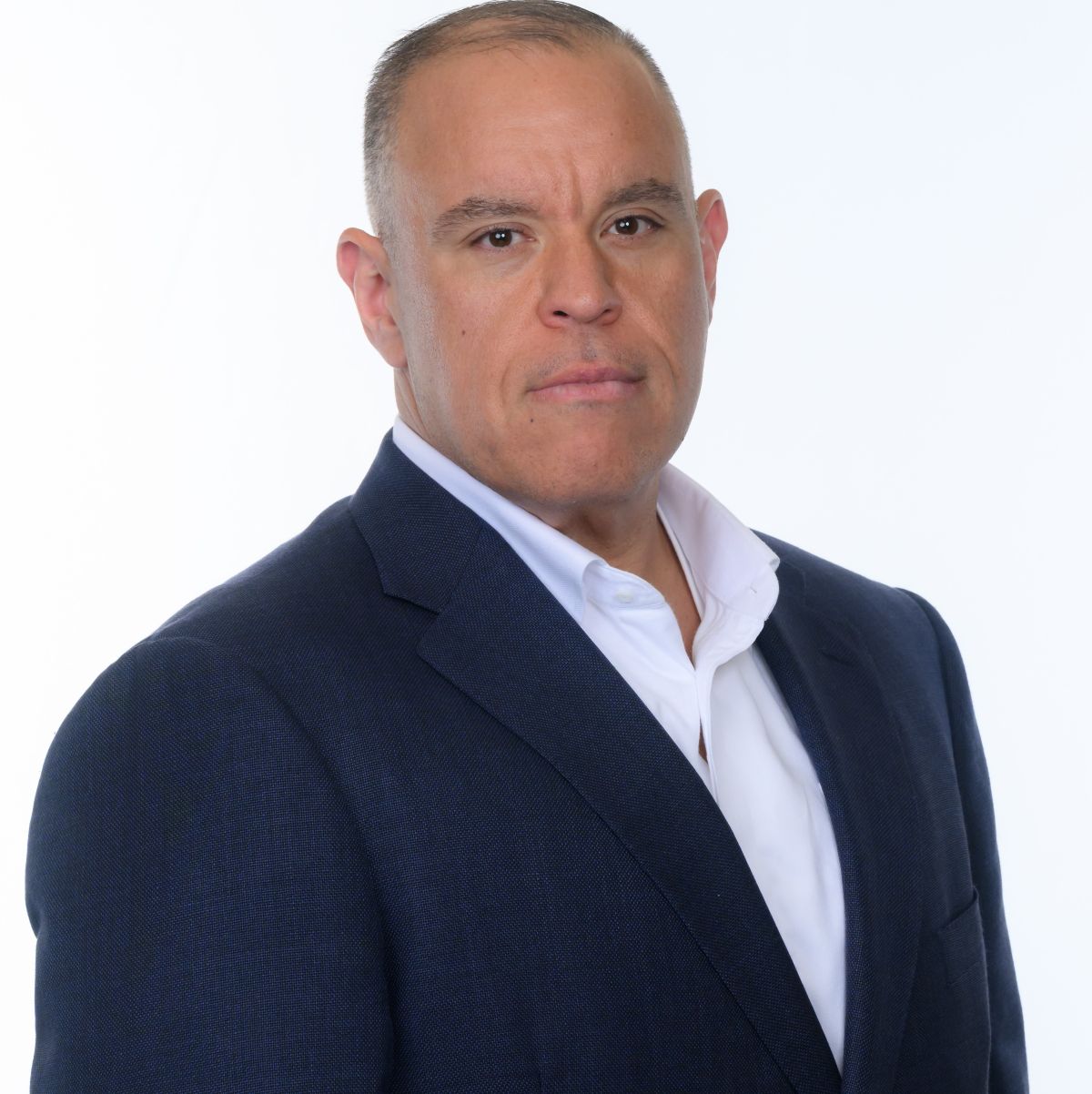
In 2001, Ronald Goldburg’s son, Daniel Goldburg, joined the business. Today, as president and majority owner, he leads nearly 160 employees and coordinates more than 1,500 subcontracted workers daily.
“Our people are the backbone of this company,” Goldburg says. “When employees recommend us to their sons, daughters, spouses, or siblings, that tells us something important. You don’t do that unless you trust the company and believe it’s built to last.”
That trust carries measurable business value. In a labor-constrained environment, retention reduces disruption. Experienced crews move faster, require less supervision, and make fewer errors. Safety improves. Rework declines. Schedules stabilize. For builder partners, those efficiencies are felt long before they appear on a balance sheet.
Family ties at CSCI were never the result of a formal initiative. They grew through reputation. Fathers introduced sons to the trade. Siblings joined through referrals. Husband-and-wife teams filled complementary roles. In several cases, multiple generations have built careers within the company, passing down standards that cannot be taught in a handbook.
That continuity matters as consolidation accelerates across Florida’s construction sector. Private equity-backed rollups and national operators increasingly dominate the trades, often prioritizing scale and cost compression. While that model can deliver short-term efficiencies, it can also increase labor volatility.
CSCI’s approach offers a counterpoint: growth anchored in workforce cohesion.
On job sites, that cohesion translates into shared expectations and natural accountability. Mentorship happens informally. Safety protocols are reinforced not only by policy, but by personal investment in the people working beside you.
The model has earned external validation. CSCI was recently named a 2026 Best Places to Work honoree by the South Florida Business Journal, recognition that reflects the consistency employees and partners see daily.
“Working with family raises the bar,” Goldburg says. “You hold each other accountable. You take more pride in what you build. And you understand that what we’re creating has to last.”
As Florida’s construction market recalibrates amid shifting interest rates, labor constraints, and evolving development patterns, CSCI is entering its next phase without abandoning the framework that carried it this far. Technology will change. Markets will cycle. But leadership remains focused on the human infrastructure behind the company’s performance.
As the industry moves into a phase defined less by growth at any cost and more by disciplined execution, the advantage is shifting to firms that can control what others cannot. Capital will remain available. Projects will continue to pencil. Labor will determine outcomes.
In the next construction cycle, the most resilient contractors will not be the largest, but the ones built for continuity.