
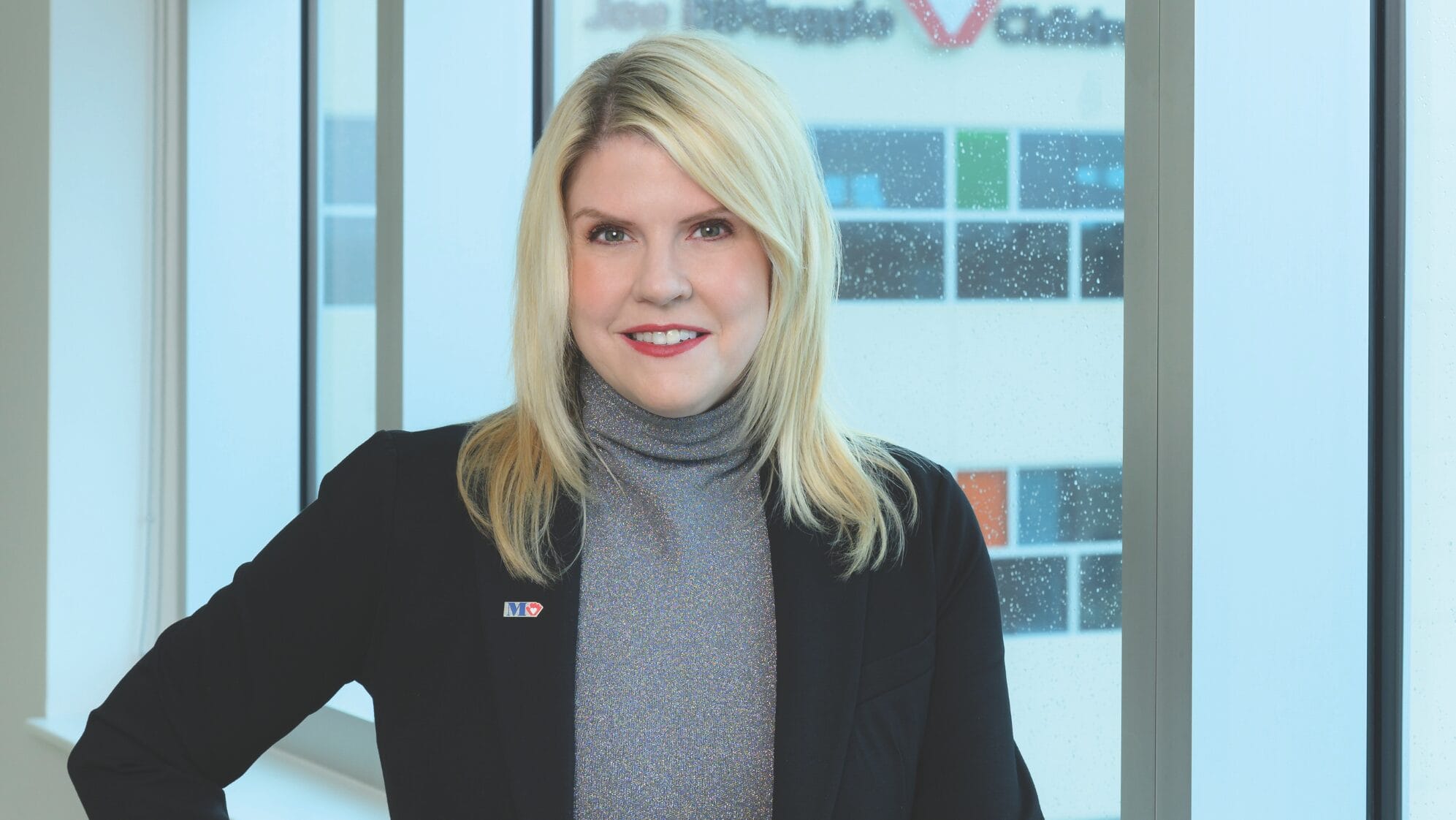
Kelley Morris, President of the Memorial and Joe DiMaggio Children’s Hospital Foundations, leads the philanthropic strategy behind one of South Florida’s most critical healthcare networks. With more than 25 years in healthcare philanthropy, including senior roles at Cedars-Sinai Medical Center, City of Hope, and Phoenix Children’s Hospital Foundation, she brings national perspective to advancing pediatric care in the region.
As healthcare delivery and wealth strategy grow more complex, the role of philanthropy is becoming more sophisticated. Morris explains how that evolution is reshaping giving in South Florida.
SFBW: You’ve led philanthropy across major health systems. What’s the biggest shift you’ve seen in how people want to give?
Morris: People no longer want to simply write a check. They want impact.
Today’s donors are informed and intentional. They expect transparency, measurable outcomes, and a clear connection between their generosity and meaningful change. That shift shapes how we lead. We prioritize mission, relationships, and consistent communication of results. When donors see the difference their philanthropy makes, engagement deepens.
SFBW: Many high-net-worth individuals don’t fully understand how philanthropy can align with financial planning. What should families be considering beyond one-time gifts?
Morris: Strategic philanthropic planning begins with clarity around goals and legacy. From there, we align the right assets to achieve both.
While bequests and beneficiary designations remain common, a range of vehicles can align generosity with tax efficiency. Life-income arrangements such as charitable remainder trusts or charitable gift annuities can provide income streams while offering potential tax advantages. Gifts of appreciated securities or real estate can help donors avoid capital gains while maximizing impact.
Donor-advised funds also continue to gain traction, allowing individuals to make a significant contribution upfront and distribute grants over time within a broader financial strategy.
As the largest wealth transfer in American history accelerates, education is critical. Our role is to help families structure giving that is both meaningful and financially sound.
SFBW: How has legacy giving evolved in recent years?
Morris: Before the pandemic, philanthropic focus leaned heavily toward immediate needs and capital expansion. Today, donors are prioritizing long-term stability.
Endowment and legacy programs ensure institutions remain strong for decades. Building that durability is a key priority, and it requires articulating a vision that extends well beyond the present moment. Donors want to know their generosity will sustain exceptional pediatric care for generations.
SFBW: What are some lesser-known giving vehicles that deserve more attention?
Morris: Beginning in 2026, new tax provisions will allow non-itemizers to deduct up to $1,000 in charitable cash gifts, and $2,000 for couples, expanding participation incentives.
Beneficiary designations from retirement accounts such as IRAs and 401(k)s remain straightforward and often tax-efficient, yet naming a charity as the beneficiary of brokerage accounts, mutual funds, or donor-advised funds is still underutilized.
Closely held business interests also present opportunity. For owners preparing to sell, transferring shares before a binding agreement is in place can create significant tax efficiency, particularly when structured through charitable remainder trusts.
For multigenerational planning, charitable lead trusts can provide annual support to a foundation for a set term, with remaining assets transferring to heirs at a reduced gift-tax cost. It’s a disciplined way to support community health today while facilitating wealth transfer tomorrow.
SFBW: Why does pediatric healthcare philanthropy resonate so strongly in South Florida?
Morris: Pediatric healthcare is deeply personal. Donors see direct impact — access to care, life-saving treatments, specialized programs. The connection is immediate.
For business leaders, the case is also practical. Healthy children become healthy adults. That strengthens families, supports the workforce, and reinforces long-term regional stability. In a fast-growing community like South Florida, pediatric healthcare functions as foundational infrastructure.
SFBW: You stepped into this role during a period of growth. What’s next?
Morris: We’re focused on expanding capacity to support innovation and address emerging health needs across the region. Growth isn’t about scale alone; it’s about responsiveness and measurable impact.
For donors, this is an opportunity to align personal legacy goals with community health outcomes — through current gifts, endowment support, or planned strategies that extend well beyond a single lifetime.