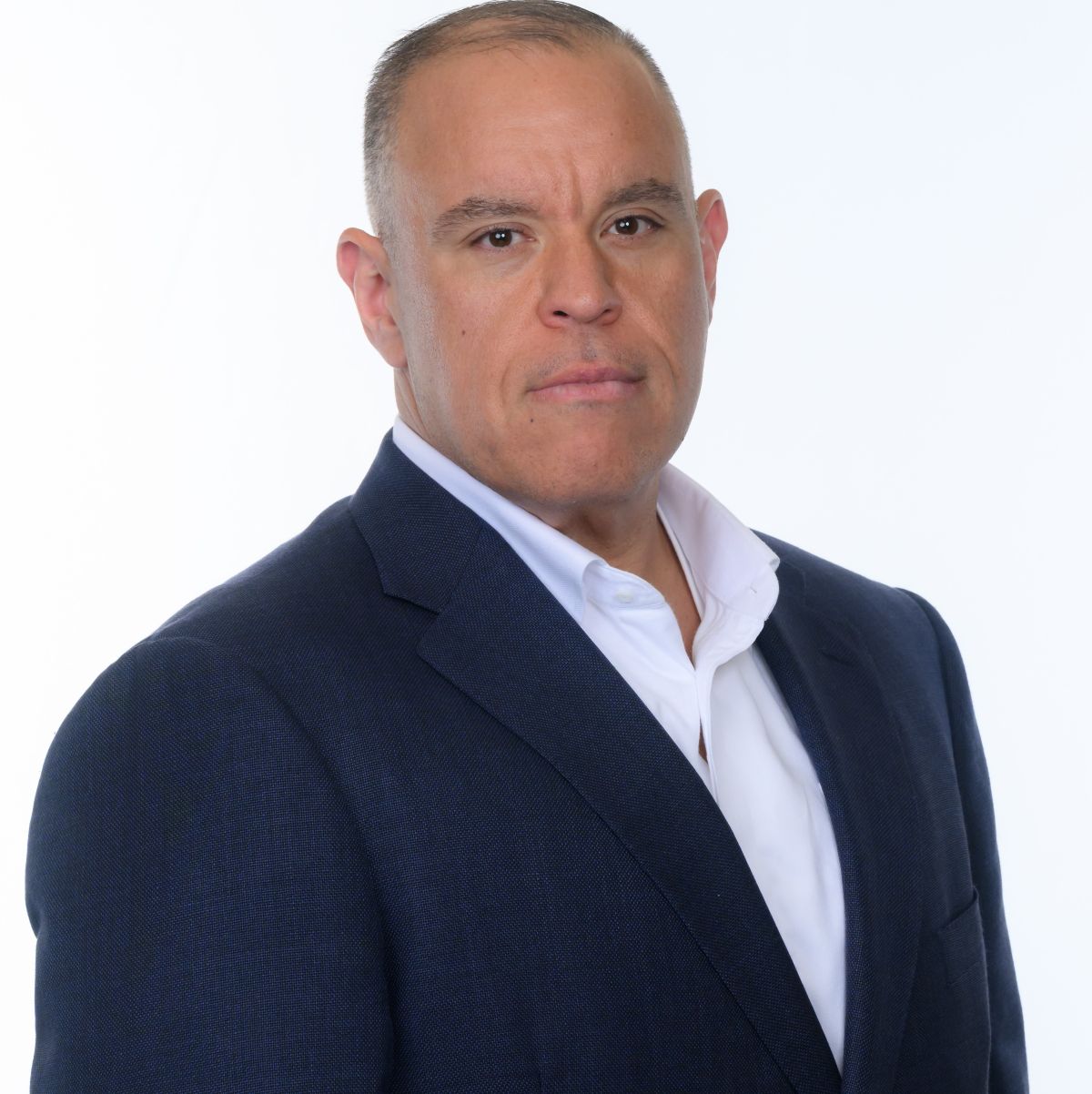

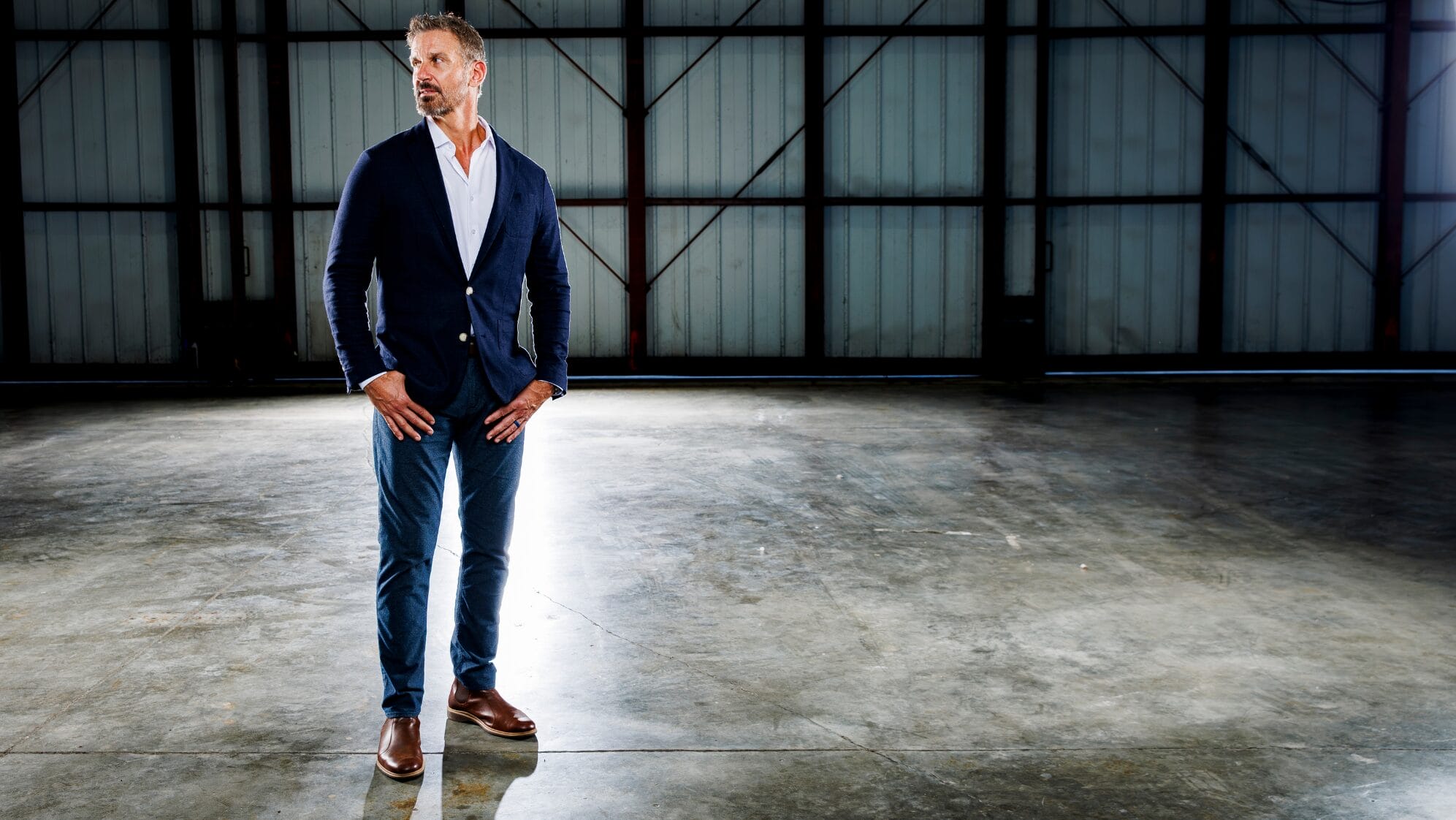
The lessons that have defined Rob Ceravolo’s career were forged at altitude, where hesitation is not an option. As a U.S. Navy fighter pilot who trained at TOPGUN and served as an air combat instructor, he operated in an environment where preparation was constant and decisions carried real consequences, standards that continue to shape his work today.
Ceravolo founded Tropic Ocean Airways in 2009, building the Fort Lauderdale–based seaplane airline known for private charter flights, New York and Bahamas routes, and amphibious aircraft capable of reaching destinations beyond traditional airports. He has since stepped away from daily operations and now advises companies and leadership teams on decision-making, performance, and leadership under pressure through his work with RC Speaks and XCAS.
Much of that work, he says, centers on helping leaders operate when the situation is unclear.
“When you fly fighter jets, you learn very quickly that stress usually comes from uncertainty,” he says. “When people don’t fully understand a situation, they hesitate, freeze, or avoid making a decision. When you know the mission, it becomes much easier to evaluate the choices in front of you.”
The same principle, he says, applies whether the setting is a cockpit, a startup, or a boardroom.
“In the military you learn very quickly that it isn’t only about authority, it’s about responsibility,” Ceravolo says. “Your job is to serve the mission and the people carrying it out.”
In business, influence often matters more than position, because everyone affects the outcome whether they hold a title or not.
“We’re all leaders in some way because we all influence the people around us—our families, our teams, our communities,” he says. “The most junior person in an organization can have a meaningful impact if they show up with the right mindset.”
In aviation, risk is treated as something that can be measured and managed.
“One of the most important lessons from aviation is that risk is not subjective. It’s objective,” he says. “When you understand the facts instead of reacting to your perception, you can put controls in place, reduce the risk to an acceptable level, and move forward. And when things don’t go according to plan, you reassess, adjust, and keep going.”
Those same skills, he says, are what make veterans valuable long after the uniform comes off.
“Veterans leave the service with experience operating when things are uncertain — planning, accountability, problem solving under pressure, resilience during difficult moments. Those skills don’t disappear.”
For many, the sense of purpose simply shifts direction.
“One of the best ways we can continue serving is by bringing those experiences into our communities,” he says. “That might mean leading inside a company, mentoring younger people, volunteering, or starting something new. The mission changes, but the responsibility doesn’t.”
Staying effective, he says, depends on simple habits that keep performance grounded.
“Your mind needs to learn. Your body needs to move. And your spirit needs connection,” he says. “I call them my Daily Six Essentials — learning, moving, creating, connecting, fueling, and reflecting. I don’t worry about when they happen. I just make sure they happen.”
Today, much of his work focuses on helping organizations build the kind of structure that allows people to perform under pressure.
“In the service, everything is built around a shared mission,” he says. “You train together, deploy together, solve problems together. In civilian life, that structure doesn’t automatically exist. You have to create it.”
That idea, he says, applies at every level of an organization.
“A brand-new employee and a CEO can both feel like they’re alone in the fight,” he says. “When people can talk openly, share lessons, and support each other, organizations get stronger.”
For Ceravolo, the goal is not to recreate the military, but to carry forward what made it effective.
“The support structure may look different outside the military,” he says, “but the opportunity to serve never really goes away. Wherever you go next, you bring your lessons with you—and those lessons can make every team, every company, and every community better.”