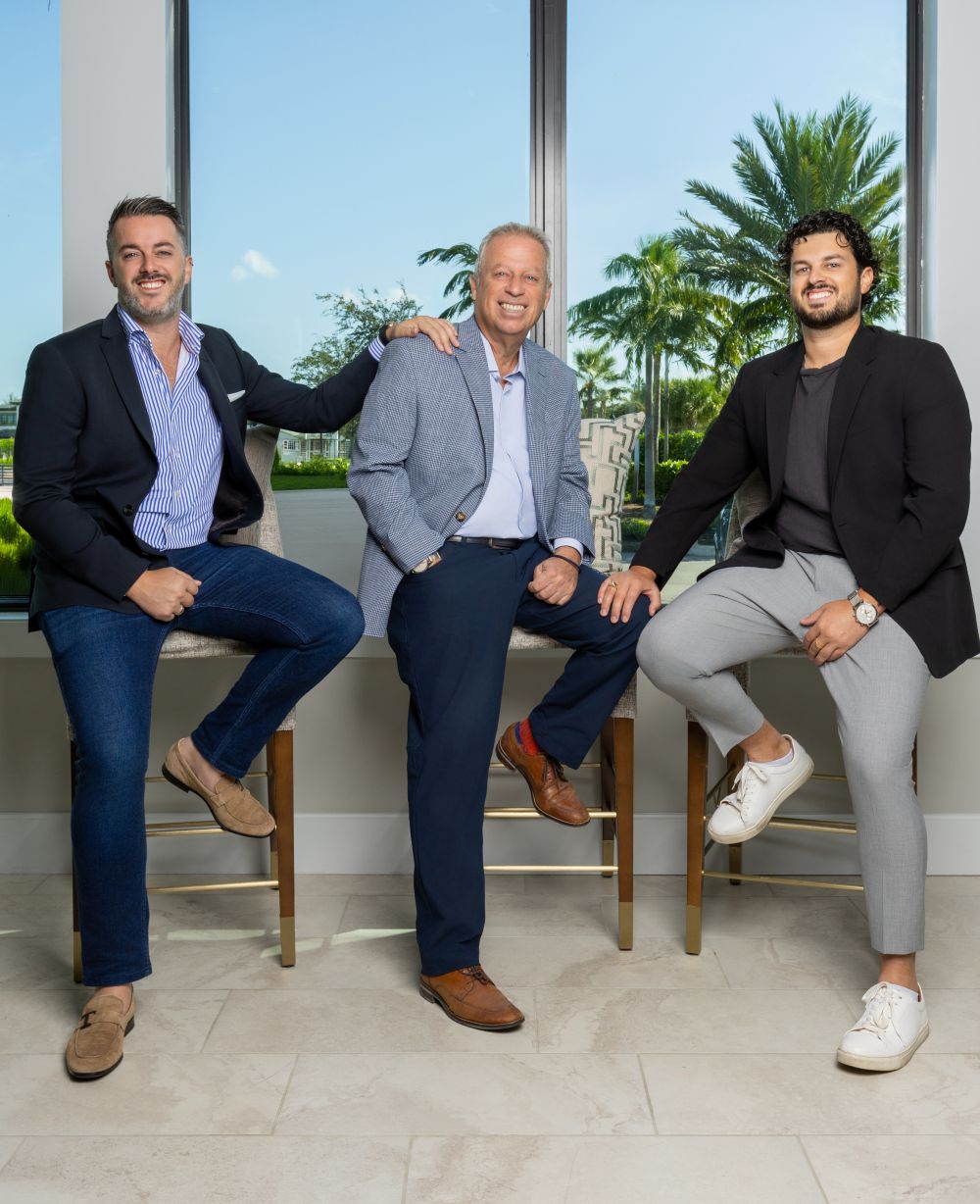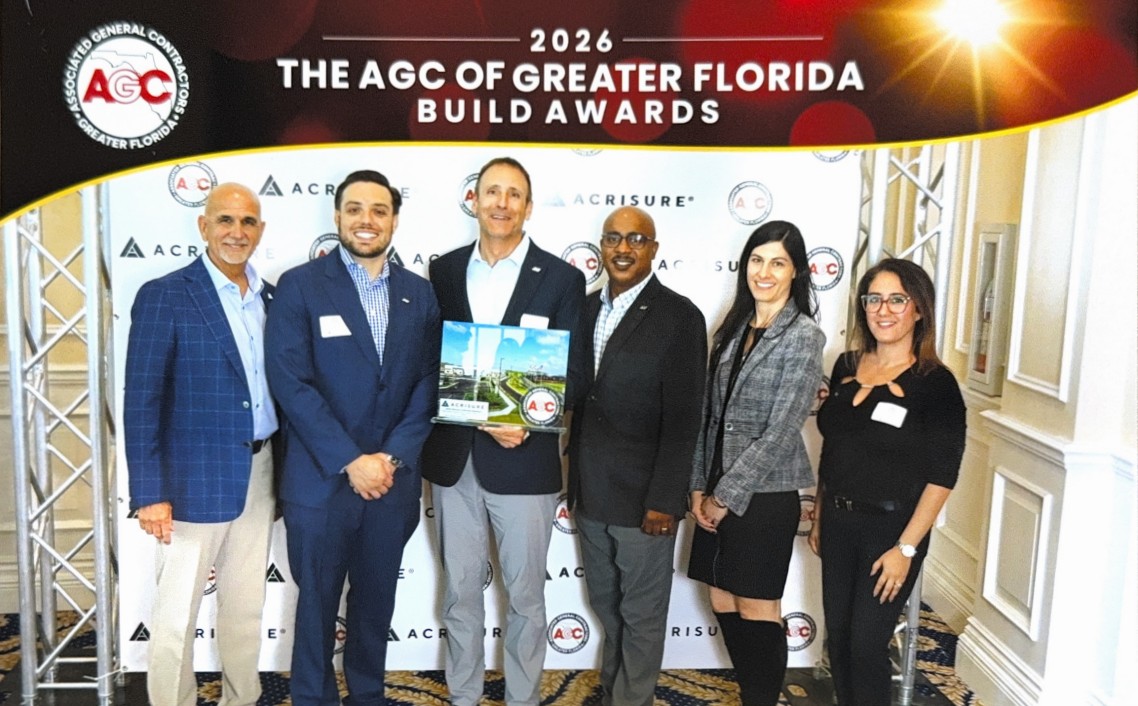


Leaders from DPR Construction, UHealth, Nova Southeastern University, and the Fort Lauderdale Downtown Development Authority aren’t just shaping South Florida’s skyline. They’re redefining how it gets built.
At a recent roundtable, the conversation centered on execution. In a market constrained by land, labor, and rising expectations, the margin for error is thin. Projects either align early or fall behind.
That pressure is forcing a more disciplined approach to partnerships. Developers, contractors, consultants, and institutional stakeholders are working together earlier in the process to align budgets, timelines, and long-term objectives. The goal is practical: eliminate friction before it shows up in the field. When that coordination is in place, projects move faster and perform better. When it’s not, delays and cost overruns follow.
The shift comes as South Florida continues to attract capital and population growth at a pace that outperforms many U.S. markets. That demand is raising expectations across sectors. Office, residential, healthcare, and education projects are no longer competing locally. They are being measured against global benchmarks.
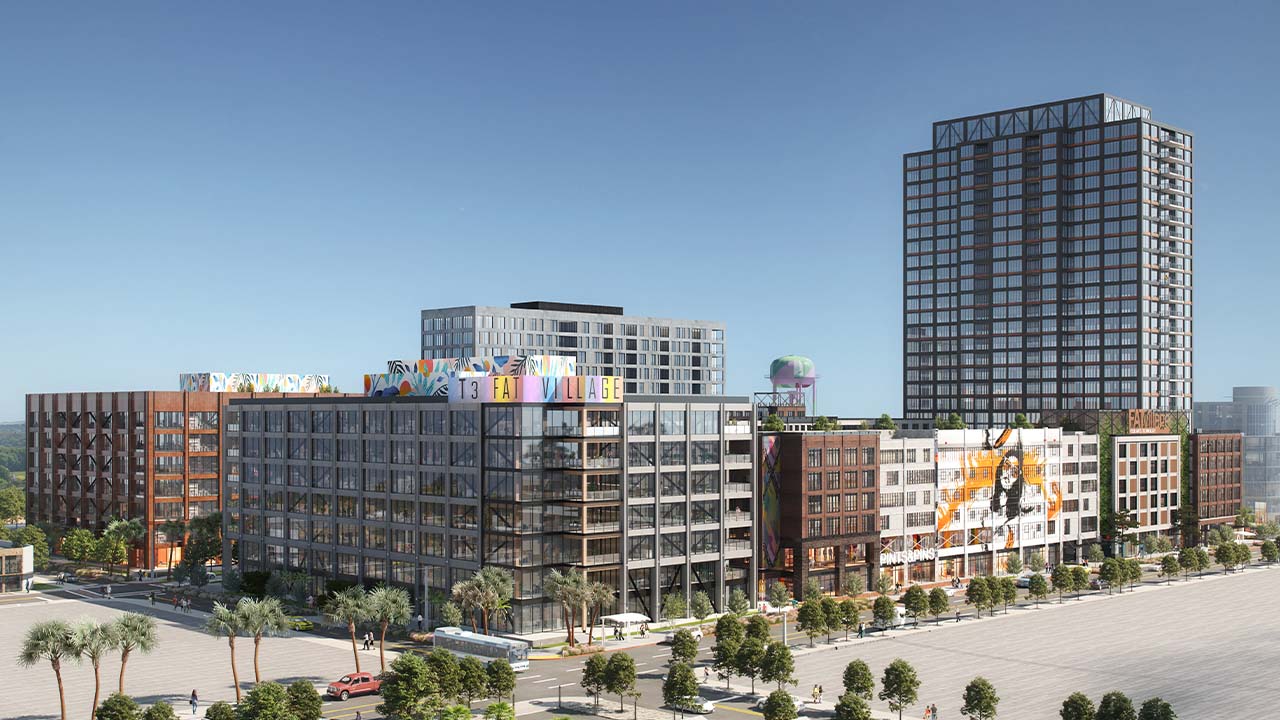
Development patterns are evolving in response. Districts like Brickell, Flagler Village, and downtown West Palm Beach are being designed as integrated environments rather than standalone projects. Residential, commercial, and cultural components are planned together, creating density and sustained activity.
Execution, however, is getting more complex. Labor shortages and supply chain constraints continue to pressure timelines. In response, teams are adopting prefabrication and modular construction to improve efficiency and reduce waste. These approaches are less about innovation for its own sake and more about maintaining control in a constrained environment.
Technology is also playing a larger role. AI is being used to review documents, identify conflicts, and streamline compliance. Some municipalities are incorporating similar tools into permitting and inspections, reducing bottlenecks that have historically slowed projects.
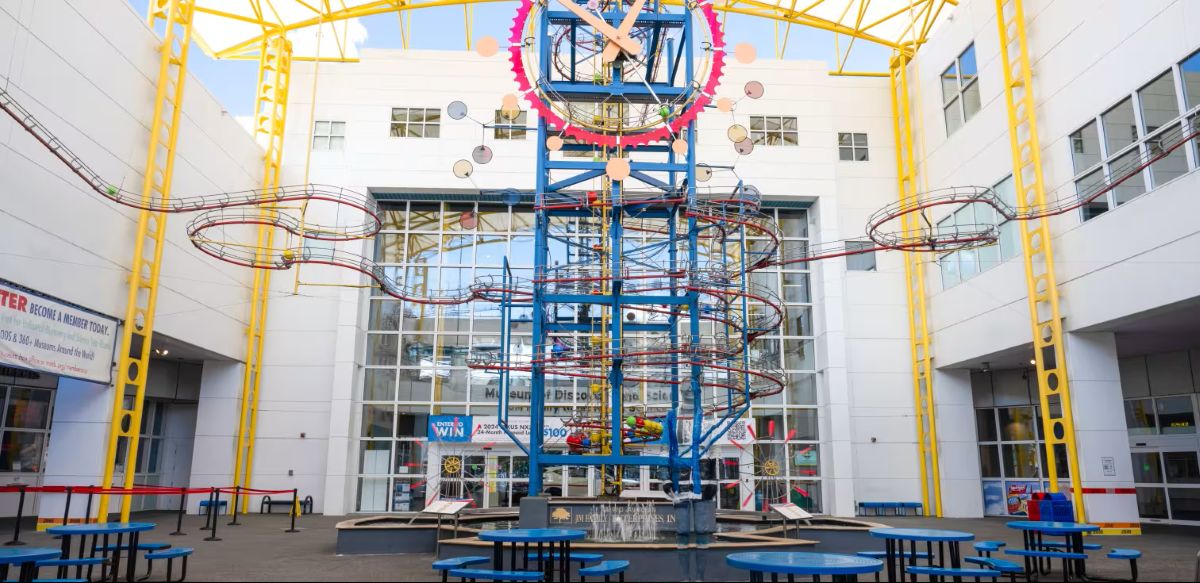
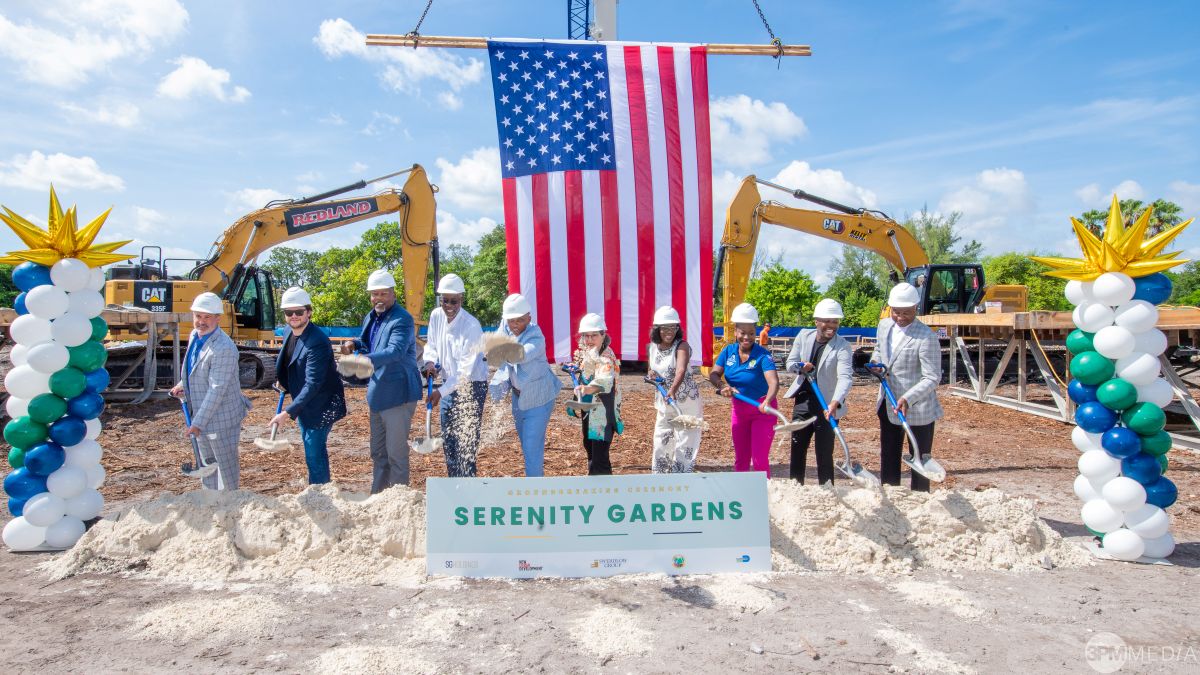
Healthcare and education projects underscore the stakes. Facilities tied to major institutions are being designed to serve both operational needs and surrounding communities. In many cases, they act as anchors for broader development, bringing jobs, services, and long-term stability to the areas around them.
That broader impact is becoming a core measure of success. Public space, accessibility, and long-term usability are no longer secondary considerations. They are central to how projects are evaluated.
The takeaway is direct. In South Florida’s current cycle, strong partnerships are not a soft concept. They are a performance driver.